




china teejet check valves Performance Analysis

Introduction
China Teejet check valves are unidirectional flow control devices integral to fluid handling systems across a wide spectrum of industrial applications, including irrigation, chemical processing, and agricultural spraying. Positioned downstream of pumps or within pipelines, they prevent backflow, safeguarding equipment and maintaining system integrity. Unlike simple ball check valves, Teejet style valves often incorporate a poppet or disc design, offering improved flow characteristics and reduced pressure drop. The proliferation of Chinese manufacturing has led to increased availability and competitive pricing; however, material selection, manufacturing tolerances, and quality control are critical considerations for reliable long-term performance. This guide details the material science, manufacturing processes, performance characteristics, failure modes, and industry standards applicable to China Teejet check valves, offering a comprehensive technical overview for engineers, procurement professionals, and maintenance personnel.
Material Science & Manufacturing
The performance and longevity of Teejet check valves are heavily influenced by material selection. Common materials include Polypropylene (PP), Polyvinyl Chloride (PVC), Acrylonitrile Butadiene Styrene (ABS), Nylon (Polyamide), and Stainless Steel (typically 304 or 316). PP and PVC are frequently used for lower-pressure applications due to their cost-effectiveness and chemical resistance. ABS provides improved impact resistance, while Nylon offers superior wear resistance and flexibility. Stainless steel is reserved for high-pressure, high-temperature, or corrosive environments. The manufacturing process typically involves injection molding for plastic bodies and investment casting or machining for metal components. Critical parameters during injection molding include melt temperature, mold temperature, injection pressure, and cooling rate, all of which affect the polymer's crystallinity, mechanical strength, and dimensional accuracy. For metal components, surface finish is paramount to minimize friction and ensure proper sealing. Valve seats are often manufactured from elastomers like EPDM, Viton, or Nitrile, chosen for their specific chemical compatibility and temperature resistance. Assembly typically involves ultrasonic welding or solvent cementing for plastic components, and threaded connections or welding for metal parts. Quality control at each stage, including dimensional inspections, pressure testing, and material certification, is essential to mitigate defects and ensure adherence to specifications.
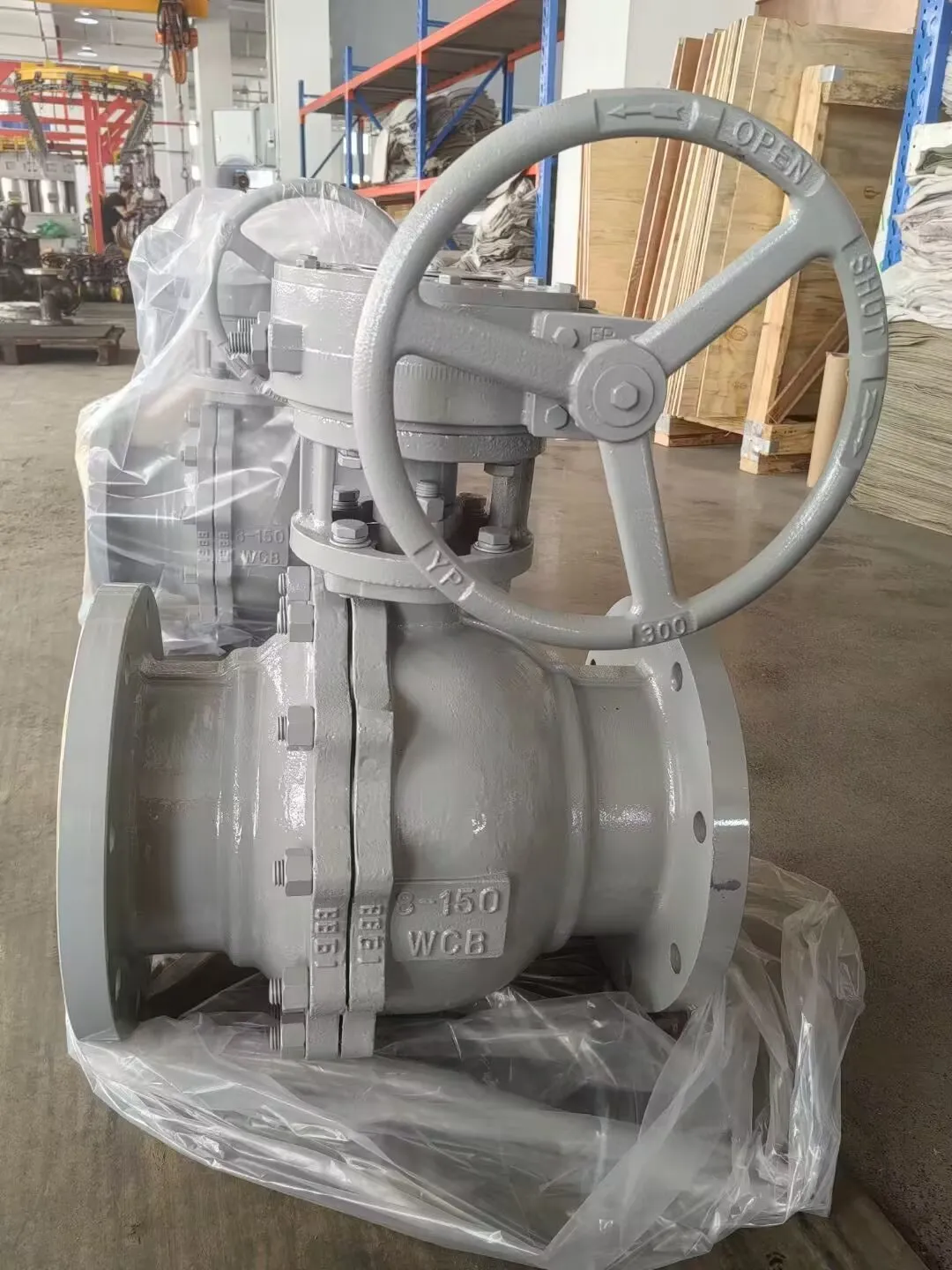
Performance & Engineering
The primary performance metric for Teejet check valves is their cracking pressure – the minimum upstream pressure required to open the valve. Cracking pressure is directly related to spring force, seat geometry, and fluid viscosity. Engineering calculations must account for these factors to ensure proper operation within the target pressure range. Flow coefficient (Cv) determines the valve’s capacity to handle a specific flow rate at a given pressure drop. A higher Cv indicates greater flow capacity. Hydrostatic testing is crucial to verify the valve’s ability to withstand its maximum rated pressure without leakage or deformation. Finite Element Analysis (FEA) can be employed to optimize the valve’s geometry, minimize stress concentrations, and predict its behavior under various loading conditions. Environmental resistance is a key concern; UV exposure can degrade plastic components, while temperature fluctuations can affect elastomer sealing. Compliance with industry regulations, such as NSF/ANSI 61 for potable water applications and REACH/RoHS for hazardous substance restrictions, is essential for market access. Consideration must also be given to the fluid’s chemical compatibility with the valve’s materials to prevent corrosion, swelling, or other forms of degradation. The impact of water hammer and fluid transients on valve operation and lifespan must be assessed, and appropriate mitigation strategies implemented.
Technical Specifications
| Parameter | Unit | PP/PVC Valve | Nylon Valve |
|---|---|---|---|
| Maximum Pressure | PSI | 150 | 250 |
| Operating Temperature Range | °F | 32 - 176 | 32 - 212 |
| Cracking Pressure | PSI | 2 - 5 | 5 - 10 |
| Flow Coefficient (Cv) – 1” Size | GPM | 4.5 | 6.0 |
| Connection Type | - | NPT, Socket | NPT, Socket |
| Material (Body) | - | PP/PVC | Nylon 66 |
Failure Mode & Maintenance
Common failure modes in China Teejet check valves include seat deformation leading to leakage, cracking of plastic bodies due to stress or UV exposure, corrosion of metal components, and spring fatigue. Seat deformation is often caused by abrasive particles in the fluid stream or excessive pressure differentials. Cracking can result from thermal cycling, impact damage, or inherent material defects. Corrosion occurs when the valve material is incompatible with the fluid being conveyed. Spring fatigue arises from repeated cycles of opening and closing. Preventative maintenance includes regular visual inspections for cracks, leaks, or corrosion. Periodic cleaning to remove debris and sediment is also crucial. If leakage is detected, the valve seat should be inspected and replaced if necessary. For metal valves, lubrication of moving parts can reduce friction and wear. In cases of severe corrosion, the entire valve may need to be replaced. Implementing a filtration system upstream of the valve can significantly reduce abrasive wear and extend its lifespan. Regular torque checks on threaded connections are also recommended to prevent loosening and leakage. Maintaining a detailed maintenance log helps track valve performance and identify potential problems before they escalate.
Industry FAQ
Q: What is the impact of fluid viscosity on the cracking pressure of a Teejet check valve?
A: Increased fluid viscosity directly increases the cracking pressure. Higher viscosity fluids require more force to overcome internal friction and open the valve. Valve selection must consider the fluid's viscosity at the operating temperature to ensure proper function. Calibration may be required for fluids with significantly different viscosities than water.
Q: How do I determine the appropriate valve material for a specific chemical application?
A: A chemical compatibility chart should be consulted to verify the valve material's resistance to the specific chemicals being conveyed. Factors to consider include concentration, temperature, and exposure duration. Stainless steel is generally the most resistant material, but certain plastics like PTFE may be suitable for highly corrosive environments.
Q: What are the implications of exceeding the maximum pressure rating of a check valve?
A: Exceeding the maximum pressure rating can lead to catastrophic failure, including valve body rupture, seat deformation, or connection failure. This can result in fluid leakage, equipment damage, and potential safety hazards. Pressure relief devices should be installed upstream of the valve to prevent overpressure situations.
Q: What is the typical lifespan of a plastic Teejet check valve in a standard irrigation system?
A: The typical lifespan ranges from 2 to 5 years, depending on water quality, UV exposure, operating pressure, and frequency of use. Regular inspection and maintenance can extend the lifespan. Replacing valves proactively can prevent costly downtime and system failures.
Q: Are there specific installation requirements to ensure optimal performance of a Teejet check valve?
A: The valve should be installed in the correct orientation (arrow pointing in the direction of flow). Avoid excessive bending or stress on the valve body during installation. Use appropriate thread sealant on threaded connections to prevent leaks. Ensure the valve is adequately supported to prevent vibration and fatigue.
Conclusion
China Teejet check valves represent a cost-effective solution for unidirectional flow control across numerous industrial applications. However, their performance and reliability are inextricably linked to material selection, manufacturing quality, and adherence to appropriate engineering principles. Understanding the potential failure modes, implementing preventative maintenance, and ensuring compliance with relevant industry standards are crucial for maximizing lifespan and minimizing downtime.
Moving forward, advancements in polymer science and manufacturing techniques will likely lead to improved Teejet check valve designs with enhanced chemical resistance, higher pressure ratings, and increased durability. The adoption of more sophisticated quality control measures throughout the manufacturing process will also be essential to maintain consistent performance and address concerns regarding product variability. Ultimately, a comprehensive approach that considers the entire system context – from fluid properties to operating conditions – is paramount to achieving optimal valve performance and long-term cost savings.
-
Top Reasons to Choose a Stainless Steel Flange Check Valve for Industrial Applications
-
6 wafer check valve Performance Analysis
-
cryogenic check valves Performance Analysis
-
soft seated check valve Performance Analysis
-
3/4 check valve Performance Analysis
-
wafer style check valve Performance Analysis
-
check valve with orifice Performance Analysis
-
check valve 8 inch Performance Analysis
-
1 1 2 inch check valve Performance Analysis
-
cast iron check valves Performance Analysis
-
teejet check valves Performance Analysis
-
teejet check valve Performance Analysis
-
8 inch check valve Performance Analysis
-
wafer style check valves Performance Analysis
-
3 4 spring check valve Performance Analysis
 Afrikaans
 Albanian
 Amharic
 Arabic
 Armenian
 Azerbaijani
 Basque
 Belarusian
 Bengali
 Bosnian
 Bulgarian
 Catalan
 Cebuano
 Corsican
 Croatian
 Czech
Czech
 Danish
 Dutch
Dutch
 Esperanto
 Estonian
 Finnish
 French
 Frisian
 Galician
 Georgian
 German
 Greek
Greek
 Gujarati
 Haitian Creole
 Hausa
Hawaiian
Hausa
Hawaiian
 Hebrew
 Hindi
Hindi
 Miao
Miao
 Hungarian
 Icelandic
 Igbo
Igbo
 Indonesian
 Irish
Irish
 Italian
 Japanese
 Javanese
Kannada
Javanese
Kannada
 Kazakh
 Khmer
Khmer
 Rwandese
 Korean
 Kurdish
 Kyrgyz
 Lao
Lao
 Latin
Latin
 Latvian
 Lithuanian
 Luxembourgish
 Macedonian
 Malgashi
 Malay
Malay
 Malayalam
 Maltese
 Maori
Maori
 Marathi
 Mongolian
 Myanmar
 Nepali
 Norwegian
 Norwegian
 Occitan
 Pashto
 Persian
 Polish
 Portuguese
Punjabi
Portuguese
Punjabi
 Romanian
 Russian
 Samoan
 Scottish Gaelic
 Serbian
 Sesotho
 Shona
Shona
 Sindhi
 Sinhala
 Slovak
 Slovenian
 Somali
 Spanish
 Sundanese
 Swahili
 Swedish
Tagalog
Swedish
Tagalog
 Tajik
Tajik
 Tamil
Tamil
 Tatar
Tatar
 Telugu
 Thai
Thai
 Turkish
 Turkmen
 Ukrainian
 Urdu
Urdu
 Uighur
 Uzbek
Uzbek
 Vietnamese
 Welsh
Welsh
 Bantu
Bantu
 Yiddish
 Yoruba
 Zulu
Zulu
 English