




china thread flange Material Science Manufacturing
Introduction
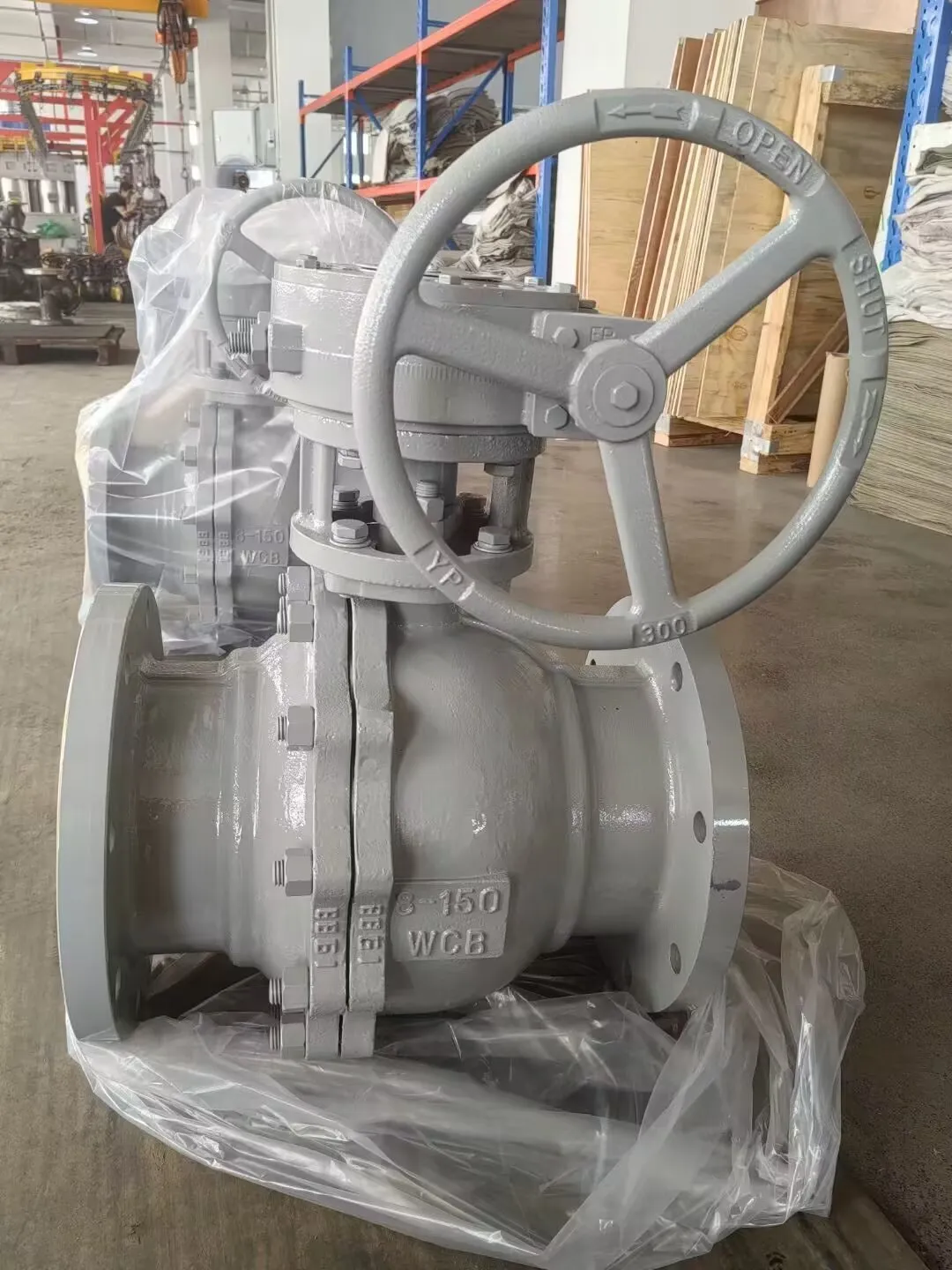
China thread flange, also known as a threaded flange, is a crucial component in piping systems used for connecting sections of pipe or attaching pipes to equipment. These flanges are characterized by internal threads that allow for direct connection without the need for welding, making them advantageous for applications requiring frequent disassembly, maintenance, or where welding is impractical. Positioned within the broader landscape of pipeline infrastructure and fluid transfer systems, the china thread flange contributes significantly to the integrity and operational efficiency of diverse industries including petrochemical, oil and gas, water treatment, and general industrial processing. Core performance characteristics center on pressure containment capability, leak-proof sealing, and resistance to corrosion depending on the material of construction. The selection of appropriate materials and adherence to stringent manufacturing standards are critical to ensuring long-term reliability and safety.
Material Science & Manufacturing
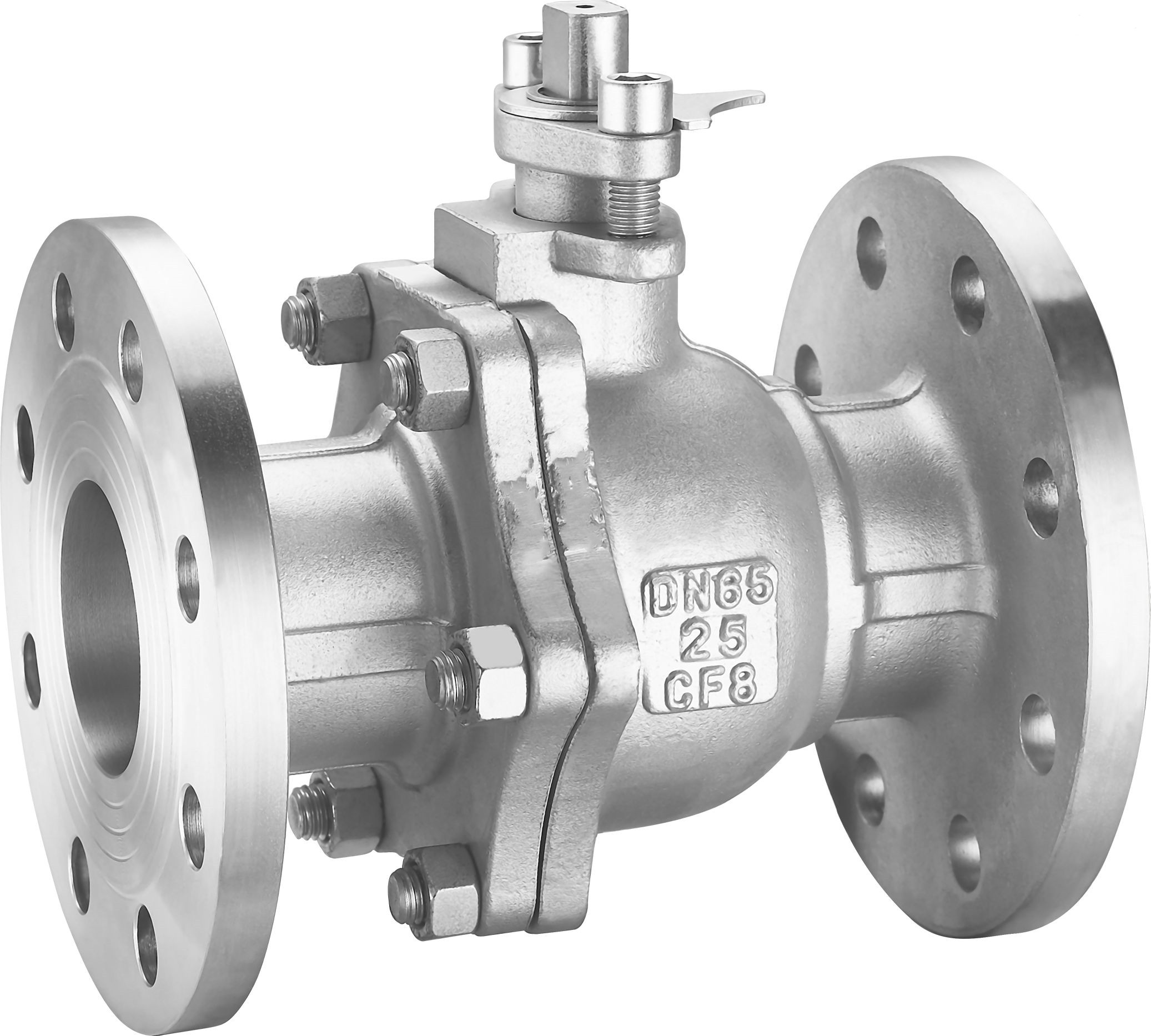
China thread flanges are commonly manufactured from carbon steel (ASTM A105, A36), stainless steel (304, 316, 316L), alloy steel, and various other materials based on application requirements. Carbon steel offers cost-effectiveness for general applications, while stainless steel provides superior corrosion resistance in harsh environments. Alloy steels are employed when enhanced strength and temperature resistance are necessary. The manufacturing process typically begins with forging or casting the flange blank. Following this, a CNC machining process is utilized to create the precise threaded bore, face, and bolt circle. Thread creation is critical, adhering to standards like ISO 7-1 for metric threads or ASME B1.20.1 for Unified National threads. Critical parameters controlled during manufacturing include thread pitch, depth, and surface finish, which directly impact sealing performance. Heat treatment processes, like quenching and tempering, are often applied to carbon and alloy steel flanges to achieve desired mechanical properties such as yield strength and tensile strength. Non-destructive testing (NDT) methods, including ultrasonic testing (UT), magnetic particle inspection (MPI), and dye penetrant testing (DPT), are used to ensure the integrity of the flange and detect any internal or surface flaws. Chemical composition verification is also standard practice to confirm material traceability and conformance to specifications.
Performance & Engineering
The performance of a china thread flange is fundamentally governed by its ability to withstand internal pressure and external loads. Force analysis considers hoop stress, longitudinal stress, and bending moments induced by piping systems. The flange’s design must ensure adequate stress margins to prevent yielding or fracture under operational conditions. A critical engineering consideration is the selection of appropriate gasket materials compatible with the fluid being conveyed and the flange material. Common gasket materials include non-asbestos fiber, PTFE, and metallic gaskets. Bolt load is a crucial parameter; proper bolt torque is essential to achieve a secure and leak-proof seal. Under-torquing can lead to leakage, while over-torquing can damage the flange or bolts. Environmental resistance is a significant factor; exposure to corrosive media, extreme temperatures, and UV radiation can degrade the flange material over time. Coatings and material selection play a vital role in mitigating these effects. Compliance requirements dictate adherence to standards such as ASME B16.5 (for flanges and flanged fittings) and API 6A (for wellhead and Christmas tree equipment), depending on the application. Finite element analysis (FEA) is often employed to simulate stress distributions and optimize flange designs for specific operating conditions.
Technical Specifications
| Parameter | Carbon Steel (A105) | Stainless Steel (316L) | Alloy Steel (A182 F304) | Pressure Rating (PN) |
|---|---|---|---|---|
| Material | ASTM A105 | ASTM A182 316L | ASTM A182 F304 | PN6, PN10, PN16, PN25, PN40 |
| Size Range (DN) | DN15 - DN600 | DN15 - DN600 | DN15 - DN600 | Varies based on material & size |
| Thread Type | NPT, BSPT, ISO 7-1 | NPT, BSPT, ISO 7-1 | NPT, BSPT, ISO 7-1 | – |
| Temperature Range (°C) | -29 to 425 | -196 to 300 | -196 to 482 | Dependent on gasket material |
| Tensile Strength (MPa) | ≥ 585 | ≥ 550 | ≥ 790 | – |
| Yield Strength (MPa) | ≥ 310 | ≥ 275 | ≥ 550 | – |
Failure Mode & Maintenance
China thread flanges are susceptible to several failure modes. Thread stripping is a common issue caused by improper installation, over-tightening, or using incompatible materials. Corrosion, particularly in aggressive environments, can lead to pitting, crevice corrosion, and eventual flange failure. Fatigue cracking can occur under cyclic loading conditions, especially at stress concentration points near the bolt holes. Galvanic corrosion can arise when dissimilar metals are in contact in the presence of an electrolyte. Leakage is often a symptom of a failed gasket due to improper seating, material degradation, or insufficient bolt load. Maintenance procedures include regular visual inspections for signs of corrosion, cracks, or deformation. Periodic torque checks are essential to ensure proper bolt loading. Damaged or corroded flanges should be replaced promptly. Gaskets should be inspected and replaced as needed, ensuring compatibility with the process fluid. Proper lubrication of threads during installation can prevent galling and facilitate disassembly. A preventative maintenance schedule, including corrosion monitoring and NDT inspections, can significantly extend the service life of the flanges.
Industry FAQ
Q: What is the impact of thread sealant selection on the long-term performance of a china thread flange?
A: Thread sealant selection is critical. Incompatible sealants can cause corrosion, thread galling, or premature failure. PTFE-based sealants are generally preferred for their chemical resistance and sealing properties. However, specific sealant compatibility with the process fluid and flange material must always be verified. Avoid sealants containing silicone for oxygen service. Regular inspection and reapplication of sealant may be required depending on the application and environmental conditions.
Q: How does the choice of flange facing influence sealing performance?
A: The flange facing (Raised Face, Flat Face, Ring Type Joint) dictates the type of gasket required and the sealing mechanism. Raised Face flanges are common for moderate pressure applications and require gaskets with a compressible facing. Flat Face flanges are used for low-pressure applications or when connecting to equipment with flat surfaces. Ring Type Joint (RTJ) flanges are used for high-pressure, high-temperature applications and rely on a metal ring gasket compressed between the flange faces.
Q: What are the key considerations when selecting a china thread flange for cryogenic service?
A: For cryogenic service, material selection is paramount. Stainless steels (304L or 316L) and alloy steels designed for low-temperature applications are essential to prevent brittle fracture. Thermal contraction must be accounted for in the design to avoid stress concentration. Special gasket materials resistant to cryogenic temperatures are required. Pre- and post-cooling procedures are necessary to minimize thermal shock during installation and operation.
Q: What is the role of non-destructive testing (NDT) in ensuring the quality of china thread flanges?
A: NDT methods such as Ultrasonic Testing (UT), Magnetic Particle Inspection (MPI), and Dye Penetrant Testing (DPT) are vital for detecting internal and surface flaws that could compromise the flange's structural integrity. UT can detect subsurface cracks and inclusions, while MPI identifies surface cracks in ferromagnetic materials. DPT is used to detect surface discontinuities open to the surface. NDT is typically performed during and after manufacturing to ensure compliance with quality standards.
Q: What are the implications of using an incorrect bolt torque specification for a china thread flange?
A: Incorrect bolt torque can have significant consequences. Under-torqueing can lead to leakage and potential flange separation. Over-torqueing can cause bolt yielding, flange deformation, and even cracking. Accurate torque specifications must be followed based on the flange material, bolt size, and gasket type. Torque wrenches should be calibrated regularly to ensure accuracy. Torque values are often specified in the flange manufacturer's data sheets or relevant industry standards.
Conclusion
China thread flanges are essential components in a wide array of industrial applications, providing a reliable and efficient means of connecting piping systems. Their performance is contingent upon careful material selection, precise manufacturing processes, adherence to industry standards, and proper installation and maintenance. Understanding the potential failure modes and implementing preventative measures are crucial for ensuring long-term operational safety and minimizing downtime.
The continued evolution of flange technology focuses on developing advanced materials with enhanced corrosion resistance, optimizing flange designs for higher pressure and temperature applications, and integrating smart monitoring systems for real-time performance assessment. Adopting these advancements will be critical for meeting the increasingly stringent demands of modern industrial processes and ensuring the continued reliability of critical infrastructure.
-
Rubber Flanges Performance Analysis
-
Square Flanges Material Science Manufacturing
-
Hubbed Flange Performance Analysis
-
Flat Face Flange Performance Analysis
-
Ball Valve Flange Performance Analysis
-
flat face flanges Performance Analysis
-
Flat Faced Flange Performance Analysis
-
3 in flange Performance Analysis
-
2in flange Performance Analysis
-
Flat Faced Flanges Performance Analysis
-
megalug flange Performance and Engineering
-
Plate Flange Performance Analysis
-
Reducing Flange Performance Analysis
-
Sealing Flange Performance Analysis
-
Turbo Flanges Performance Analysis
 Afrikaans
 Albanian
 Amharic
 Arabic
 Armenian
 Azerbaijani
 Basque
 Belarusian
 Bengali
 Bosnian
 Bulgarian
 Catalan
 Cebuano
 Corsican
 Croatian
 Czech
Czech
 Danish
 Dutch
Dutch
 Esperanto
 Estonian
 Finnish
 French
 Frisian
 Galician
 Georgian
 German
 Greek
Greek
 Gujarati
 Haitian Creole
 Hausa
Hawaiian
Hausa
Hawaiian
 Hebrew
 Hindi
Hindi
 Miao
Miao
 Hungarian
 Icelandic
 Igbo
Igbo
 Indonesian
 Irish
Irish
 Italian
 Japanese
 Javanese
Kannada
Javanese
Kannada
 Kazakh
 Khmer
Khmer
 Rwandese
 Korean
 Kurdish
 Kyrgyz
 Lao
Lao
 Latin
Latin
 Latvian
 Lithuanian
 Luxembourgish
 Macedonian
 Malgashi
 Malay
Malay
 Malayalam
 Maltese
 Maori
Maori
 Marathi
 Mongolian
 Myanmar
 Nepali
 Norwegian
 Norwegian
 Occitan
 Pashto
 Persian
 Polish
 Portuguese
Punjabi
Portuguese
Punjabi
 Romanian
 Russian
 Samoan
 Scottish Gaelic
 Serbian
 Sesotho
 Shona
Shona
 Sindhi
 Sinhala
 Slovak
 Slovenian
 Somali
 Spanish
 Sundanese
 Swahili
 Swedish
Tagalog
Swedish
Tagalog
 Tajik
Tajik
 Tamil
Tamil
 Tatar
Tatar
 Telugu
 Thai
Thai
 Turkish
 Turkmen
 Ukrainian
 Urdu
Urdu
 Uighur
 Uzbek
Uzbek
 Vietnamese
 Welsh
Welsh
 Bantu
Bantu
 Yiddish
 Yoruba
 Zulu
Zulu
 English