




Pipe Fittings and Valves Performance Analysis
Introduction
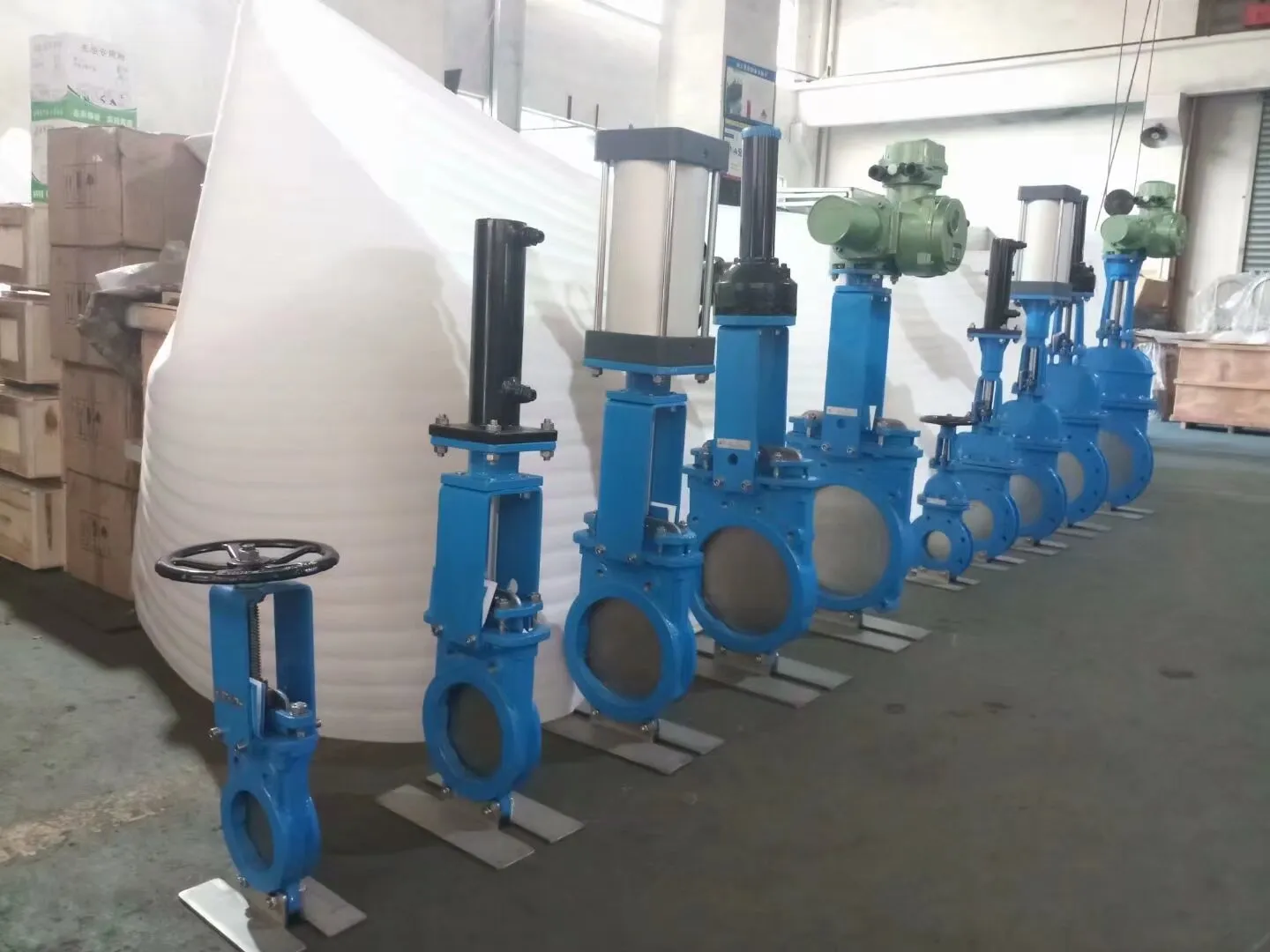
Pipe fittings and valves are integral components of any fluid handling system, enabling the control, direction, and isolation of fluids in a wide array of industrial processes. They represent a critical interface between pipeline infrastructure and the process equipment itself. This guide focuses on the technical aspects of these components, moving beyond basic functionality to address material selection, manufacturing tolerances, performance characteristics, failure mechanisms, and applicable industry standards. The industry faces persistent challenges related to corrosion, erosion, leakage, and maintaining system integrity in demanding operating conditions, driving the need for advanced materials, precision manufacturing, and robust quality control. Understanding the underlying principles governing the performance and longevity of pipe fittings and valves is paramount for engineers, procurement specialists, and maintenance personnel seeking to optimize system reliability and minimize lifecycle costs. Core performance metrics include pressure drop, flow coefficient, leak tightness, and resistance to specific media.
Material Science & Manufacturing
The selection of materials for pipe fittings and valves is dictated by the fluid conveyed, operating temperature, pressure, and potential for corrosion or erosion. Common materials include carbon steel (ASTM A53, A105), stainless steel (304, 316, Duplex), alloy steels (e.g., Chrome-Moly steels for high-temperature service), and engineered polymers (PVC, CPVC, PTFE). Carbon steel provides high strength and cost-effectiveness, but necessitates corrosion protection (coatings, cathodic protection). Stainless steels offer superior corrosion resistance, particularly 316, which contains molybdenum for enhanced resistance to chloride pitting. Duplex stainless steels combine high strength with excellent corrosion resistance. Polymers are used for low-pressure, corrosive applications, but have limitations in temperature and mechanical strength.
Manufacturing processes vary depending on the fitting/valve type and material. Forging is used for high-pressure fittings, providing superior grain structure and strength. Casting is suitable for complex geometries, but requires careful control of cooling rates to minimize residual stresses. Welding (SMAW, GTAW, GMAW) is extensively used for joining components, requiring qualified welders and stringent adherence to welding procedures (ASME Section IX) to ensure joint integrity. Machining (CNC turning, milling) is employed for precise dimensional control and surface finish. For plastic fittings, injection molding and extrusion are common. Critical parameters during manufacturing include dimensional accuracy (to ensure proper fit-up), surface roughness (to minimize friction and turbulence), and heat treatment (to achieve desired mechanical properties). Non-destructive testing (NDT) – radiography, ultrasonic testing, liquid penetrant inspection – is essential to verify weld quality and detect internal flaws.
Performance & Engineering
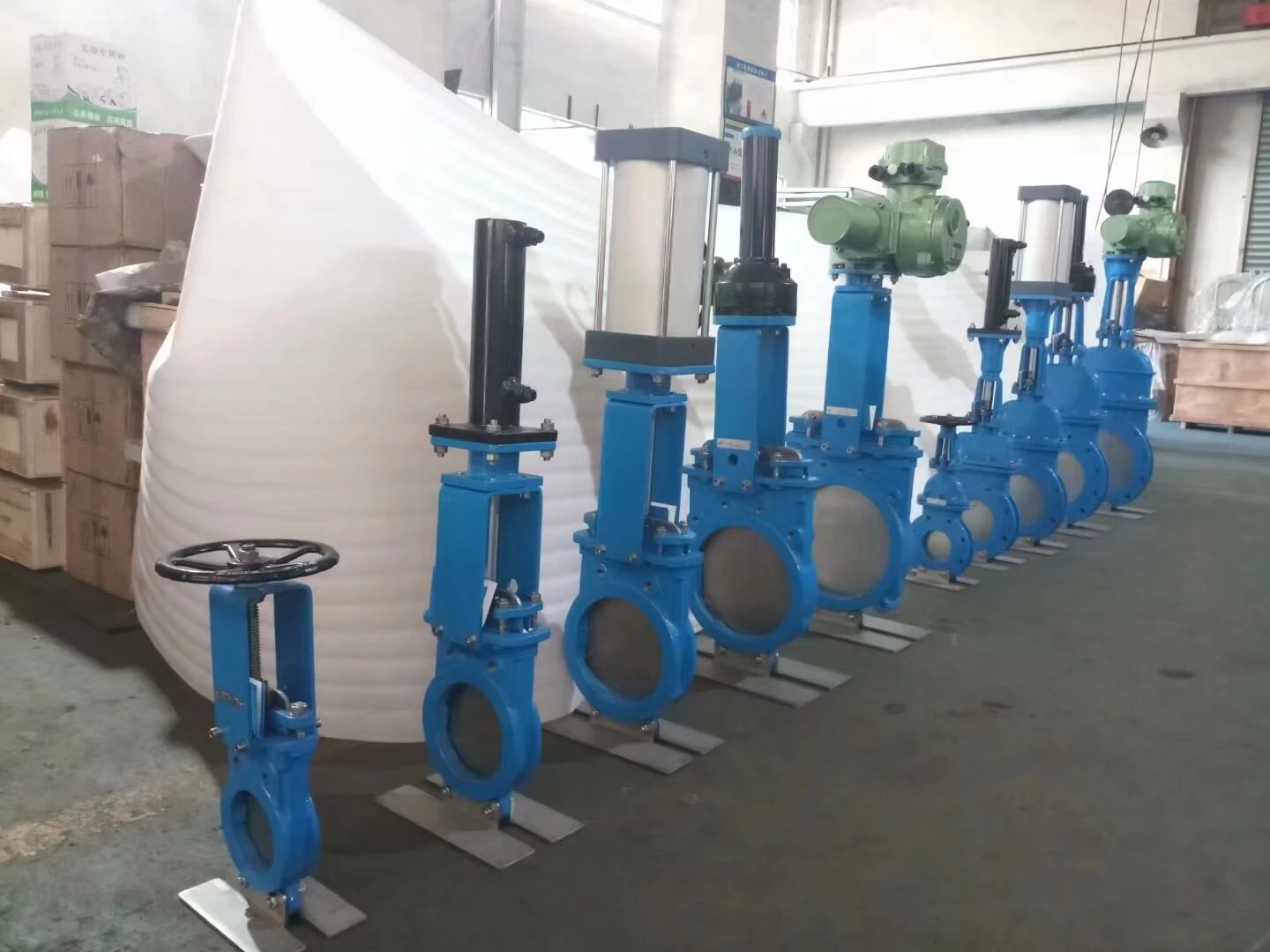
Performance assessment of pipe fittings and valves necessitates detailed engineering analysis. Pressure drop calculations (using Darcy-Weisbach equation and empirical correlations) determine energy losses within the system, influencing pump sizing and overall efficiency. Flow coefficient (Cv) quantifies the valve’s capacity to pass fluid at a specific pressure drop. Finite element analysis (FEA) is used to simulate stress distribution under internal pressure and external loads, ensuring structural integrity. Valve actuation (manual, pneumatic, electric, hydraulic) impacts response time and control accuracy. Seat leakage testing (API 598) verifies leak tightness, crucial for preventing fluid loss and environmental contamination.
Environmental resistance is a critical consideration. Exposure to corrosive fluids, extreme temperatures, and UV radiation can degrade materials over time. Material compatibility charts are used to select appropriate materials based on the fluid composition. Coatings (epoxy, polyurethane, PTFE) provide a barrier against corrosion. Thermal expansion and contraction must be accounted for in pipeline design to prevent stress on fittings and valves. Compliance with industry regulations (e.g., ASME B31.3 for process piping) is mandatory, dictating design criteria, material specifications, and inspection requirements. The potential for water hammer (pressure surge) must be mitigated through the use of surge suppression devices.
Technical Specifications
| Parameter | Gate Valve (Carbon Steel) | Ball Valve (316 SS) | PVC Socket Weld Elbow (Schedule 40) | Flanged Reducer (Ductile Iron) |
|---|---|---|---|---|
| Maximum Operating Pressure (PSI) | 900 | 740 | 400 | 250 |
| Temperature Range (°F) | -20 to 450 | -40 to 500 | -40 to 140 | -20 to 300 |
| Cv (Flow Coefficient) | 500 | 600 | 1.2 | Variable, dependent on size reduction |
| Material | ASTM A105 | ASTM A351 Grade CF8M | PVC Type I Grade 1 | ASTM A536 65-45-12 |
| Connection Type | Screwed/Flanged | Screwed/Flanged/Welded | Socket Weld | Flanged |
| Leakage Class (API 598) | Class VI | Class VI | N/A (Pressure tested) | Class V |
Failure Mode & Maintenance
Common failure modes in pipe fittings and valves include corrosion (localized pitting, general corrosion, galvanic corrosion), erosion (caused by high-velocity fluids containing abrasive particles), fatigue cracking (due to cyclic loading), and leakage (through seals, gaskets, or weld joints). Corrosion is often exacerbated by stagnant fluids, oxygen concentration cells, and the presence of chlorides. Erosion is particularly problematic in slurry pipelines. Fatigue cracking can occur at stress concentration points (e.g., weld toes, sharp corners). Seal failure is common in valves, leading to leakage. Cavitation (formation and collapse of vapor bubbles) can cause severe erosion damage in valves.
Preventative maintenance is crucial for extending service life. Regular inspection (visual, ultrasonic testing, radiographic testing) can detect early signs of corrosion, erosion, or cracking. Lubrication of valve stems and seals prevents sticking and leakage. Proper alignment of piping minimizes stress on fittings. Periodic cleaning removes deposits that can contribute to corrosion. Replacement of worn seals and gaskets is essential. For critical applications, corrosion monitoring systems (e.g., corrosion coupons, electrochemical noise sensors) provide real-time data on corrosion rates. When failures occur, thorough failure analysis (metallographic examination, fracture surface analysis) is necessary to determine the root cause and prevent recurrence.
Industry FAQ
Q: What is the impact of fluid velocity on the erosion resistance of a valve?
A: Increased fluid velocity significantly exacerbates erosion, particularly when the fluid contains abrasive particles. Higher velocities lead to greater impact forces on the valve components, accelerating material removal. Selecting erosion-resistant materials (e.g., hardened alloys, ceramic coatings) and minimizing fluid velocity are critical mitigation strategies.
Q: How does the choice of gasket material affect the leak tightness and temperature range of a flanged connection?
A: Gasket material selection is paramount. Materials like PTFE, EPDM, and Viton offer excellent chemical resistance and temperature ranges, but have varying pressure ratings. Compressed fiber gaskets are cost-effective for lower temperatures and pressures. The gasket's compressibility and resilience must match the flange surface finish and bolting torque to achieve a tight seal. Incorrect gasket selection can lead to premature failure and leakage.
Q: What are the key considerations when specifying a valve for cryogenic service?
A: Cryogenic service requires materials that maintain ductility at extremely low temperatures. Carbon steel is prone to brittle fracture. Austenitic stainless steels (304, 316) and certain alloy steels are preferred. Special attention must be paid to thermal contraction, which can induce significant stresses. Low-emission packing is crucial to prevent gas leakage. Valves must be tested at cryogenic temperatures to verify performance.
Q: What are the advantages and disadvantages of using ductile iron pipe fittings versus steel fittings?
A: Ductile iron offers good corrosion resistance, high tensile strength, and lower cost compared to steel. However, it has lower ductility and impact resistance. Steel provides superior strength and weldability, but is more susceptible to corrosion. The choice depends on the specific application and operating conditions. Ductile iron is well-suited for water and wastewater systems, while steel is often preferred for high-pressure, high-temperature applications.
Q: What is the significance of NACE MR0175/ISO 15156 in material selection for sour service applications?
A: NACE MR0175/ISO 15156 is a critical standard specifying materials resistant to sulfide stress cracking (SSC) in environments containing hydrogen sulfide (H2S). It defines acceptable material compositions and hardness limits for components exposed to sour service. Failure to comply with this standard can result in catastrophic failure due to SSC.
Conclusion
The selection, application, and maintenance of pipe fittings and valves demand a comprehensive understanding of material science, manufacturing processes, and engineering principles. Corrosion, erosion, and fatigue remain significant challenges, requiring careful material selection, protective coatings, and robust inspection programs. Adherence to industry standards (ASME, API, ISO) is paramount for ensuring safety, reliability, and regulatory compliance. Advancements in materials science, such as the development of duplex stainless steels and high-performance polymers, offer opportunities to improve the longevity and performance of these critical components.
Future trends will likely focus on the integration of smart technologies, such as sensor-based monitoring and predictive maintenance, to optimize valve performance and prevent unscheduled downtime. The increasing demand for sustainable solutions will drive the development of corrosion-resistant alloys and environmentally friendly coatings. Continued research and development are essential to address the evolving challenges faced by industries relying on fluid handling systems.
-
Top Reasons to Choose a Stainless Steel Flange Check Valve for Industrial Applications
-
electric check valve Performance Engineering
-
electric check valves Performance Analysis
-
Threaded Check Valves Performance Analysis
-
6 inch check valve Performance Analysis
-
8 check valve Performance Analysis
-
diaphragm check valve Material Science Manufacturing
-
dual plate check valve Performance Analysis
-
check valve 6 inch Material Science
-
diaphragm check valves Performance Analysis
-
dual plate check valves Performance Analysis
-
vertical check valves Material Science Manufacturing
-
8 check valves Performance Analysis
-
refrigeration check valves Performance Analysis
-
pilot check valve Performance Analysis
 Afrikaans
 Albanian
 Amharic
 Arabic
 Armenian
 Azerbaijani
 Basque
 Belarusian
 Bengali
 Bosnian
 Bulgarian
 Catalan
 Cebuano
 Corsican
 Croatian
 Czech
Czech
 Danish
 Dutch
Dutch
 Esperanto
 Estonian
 Finnish
 French
 Frisian
 Galician
 Georgian
 German
 Greek
Greek
 Gujarati
 Haitian Creole
 Hausa
Hawaiian
Hausa
Hawaiian
 Hebrew
 Hindi
Hindi
 Miao
Miao
 Hungarian
 Icelandic
 Igbo
Igbo
 Indonesian
 Irish
Irish
 Italian
 Japanese
 Javanese
Kannada
Javanese
Kannada
 Kazakh
 Khmer
Khmer
 Rwandese
 Korean
 Kurdish
 Kyrgyz
 Lao
Lao
 Latin
Latin
 Latvian
 Lithuanian
 Luxembourgish
 Macedonian
 Malgashi
 Malay
Malay
 Malayalam
 Maltese
 Maori
Maori
 Marathi
 Mongolian
 Myanmar
 Nepali
 Norwegian
 Norwegian
 Occitan
 Pashto
 Persian
 Polish
 Portuguese
Punjabi
Portuguese
Punjabi
 Romanian
 Russian
 Samoan
 Scottish Gaelic
 Serbian
 Sesotho
 Shona
Shona
 Sindhi
 Sinhala
 Slovak
 Slovenian
 Somali
 Spanish
 Sundanese
 Swahili
 Swedish
Tagalog
Swedish
Tagalog
 Tajik
Tajik
 Tamil
Tamil
 Tatar
Tatar
 Telugu
 Thai
Thai
 Turkish
 Turkmen
 Ukrainian
 Urdu
Urdu
 Uighur
 Uzbek
Uzbek
 Vietnamese
 Welsh
Welsh
 Bantu
Bantu
 Yiddish
 Yoruba
 Zulu
Zulu
 English