




pipes valves and fittings Material Science and Manufacturing

Introduction
Pipes, valves, and fittings constitute a critical infrastructure component across diverse industries including oil and gas, water treatment, chemical processing, power generation, and HVAC systems. These components facilitate the safe and efficient conveyance of fluids – liquids, gases, and slurries – under varying pressure and temperature conditions. Their technical position within the broader industrial chain is fundamental; they represent the connective tissue enabling process flow. Core performance characteristics center around maintaining containment integrity, minimizing pressure drop, controlling fluid flow rates, and resisting corrosion and erosion. A primary industry pain point revolves around ensuring long-term reliability and minimizing unscheduled downtime due to component failure, often linked to material selection issues or inadequate maintenance protocols. Furthermore, stringent regulatory compliance related to safety and environmental protection necessitates robust material traceability and rigorous testing standards throughout the supply chain.
Material Science & Manufacturing
The materials employed in pipe, valve, and fitting manufacturing are diverse, selected based on fluid compatibility, operating conditions, and cost considerations. Common materials include carbon steel (ASTM A53, A106), stainless steel (304, 316, duplex grades), ductile iron (ASTM A576), and various polymers like PVC, CPVC, HDPE, and PP. Carbon steel offers high strength and cost-effectiveness but is susceptible to corrosion. Stainless steels provide superior corrosion resistance, particularly 316 with its molybdenum content. Ductile iron balances strength and ductility, suitable for pressure applications. Polymers offer chemical resistance and lightweight characteristics but typically have lower temperature and pressure ratings. Manufacturing processes vary significantly. Steel pipes are commonly produced via seamless extrusion or welded construction (ERW, SAW). Valve bodies are often cast or forged. Fittings are manufactured through forging, machining, or investment casting. Polymer pipes are typically produced via extrusion. Key parameter control during manufacturing includes precise dimensional tolerances, weld quality (penetration, porosity, heat-affected zone), heat treatment optimization (for steel components to achieve desired mechanical properties), and surface finish requirements to minimize friction and promote flow. Chemical composition verification through spectroscopic analysis (e.g., XRF) is crucial for material traceability and compliance.
Performance & Engineering
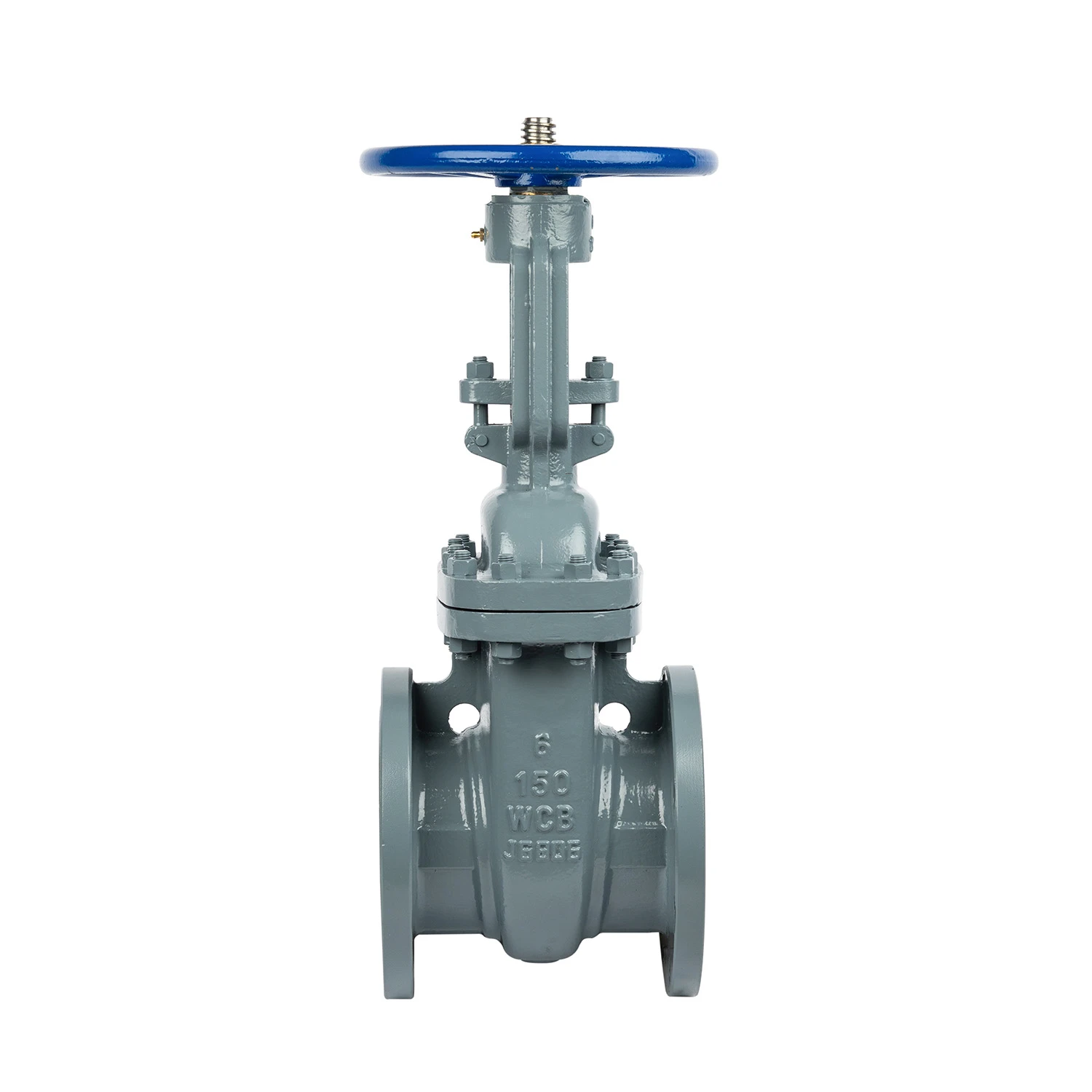
Performance assessment of pipes, valves, and fittings hinges on several critical engineering considerations. Force analysis, particularly pressure containment capability, is paramount. This involves calculating hoop stress in pipes and evaluating the structural integrity of valve bodies and fitting connections under internal pressure. Finite element analysis (FEA) is frequently employed to model stress distributions and identify potential failure points. Environmental resistance, including corrosion, erosion, and temperature effects, significantly impacts lifespan. Corrosion mechanisms such as pitting, crevice corrosion, and galvanic corrosion must be addressed through material selection, coatings, and cathodic protection. Valve performance is characterized by flow coefficient (Cv), pressure drop, shut-off tightness, and actuation speed. Compliance requirements, dictated by industry standards (detailed in the footer), mandate specific testing procedures – hydrostatic testing, pneumatic testing, non-destructive examination (NDE) – to verify structural integrity and leak tightness. Functional implementation details dictate appropriate valve types (ball valves for quick shut-off, gate valves for minimal pressure drop, globe valves for throttling) and fitting configurations (elbows, tees, reducers) based on process requirements. Fatigue analysis is essential for components subjected to cyclic loading, such as valves operating repeatedly.
Technical Specifications
| Material | Pressure Rating (PSI) | Temperature Range (°F) | Wall Thickness (inches) |
|---|---|---|---|
| Carbon Steel (A53 Grade B) | 600 | -30 to 350 | 0.218 |
| Stainless Steel (304/304L) | 1500 | -325 to 650 | 0.065 |
| Ductile Iron (A576 Grade 65-45) | 350 | -20 to 450 | 0.280 |
| PVC (Schedule 40) | 400 | 32 to 140 | 0.095 |
| CPVC (Schedule 80) | 600 | 32 to 200 | 0.154 |
| HDPE (SDR 11) | 160 | -76 to 140 | 0.375 |
Failure Mode & Maintenance
Failure modes in pipes, valves, and fittings are diverse and often interconnected. Corrosion is a prevalent cause, leading to pitting, thinning, and eventual rupture. Erosion, particularly in slurry applications, progressively removes material from internal surfaces. Fatigue cracking can occur in components subjected to cyclic loading, especially at weld points. Delamination can affect polymer pipes and coatings, reducing their structural integrity. Valve failures can stem from seat erosion, stem leakage, actuator malfunctions, or cavitation damage. Oxidation and scaling can impede valve function and reduce flow capacity. Maintenance strategies include regular visual inspections for corrosion, leaks, and damage. Non-destructive testing (NDT) methods – ultrasonic testing (UT), radiographic testing (RT), liquid penetrant testing (PT) – are vital for detecting subsurface defects. Preventive maintenance schedules should incorporate valve lubrication, actuator adjustment, and gasket replacement. Proper pipe support and alignment are critical to prevent stress concentrations. Flushing and cleaning procedures should be implemented to remove debris and prevent blockages. Comprehensive record-keeping of maintenance activities and inspections is crucial for tracking component performance and predicting potential failures. Chemical cleaning and hydroblasting may be needed for internal scaling.
Industry FAQ
Q: What is the impact of water hammer on pipeline integrity, and how can it be mitigated?
A: Water hammer, caused by sudden changes in flow velocity, generates significant pressure surges that can exceed the design limits of pipelines, valves, and fittings. This can lead to fatigue cracking, rupture, and component failure. Mitigation strategies include the installation of surge arrestors (air chambers, pressure relief valves), controlled valve operation (slow opening/closing), and proper pipeline anchoring to minimize transient pressures. Accurate modeling of the hydraulic system is also critical for predicting and mitigating water hammer effects.
Q: How does the selection of gasket material affect long-term sealing performance in flanged connections?
A: Gasket material selection is critical for preventing leaks and maintaining sealing performance. Factors to consider include fluid compatibility, temperature range, pressure, and gasket resilience. Common materials include compressed fiber, rubber (NBR, EPDM, Viton), and PTFE. Incorrect gasket selection can lead to swelling, shrinkage, hardening, or chemical degradation, resulting in leakage. Proper bolt torque and flange surface preparation are also crucial for achieving a tight seal.
Q: What are the key considerations when specifying valves for corrosive fluid applications?
A: Valve material selection is paramount. Consider the chemical composition of the fluid, its concentration, temperature, and flow velocity. Materials like stainless steel, Hastelloy, and PTFE are often employed for corrosive service. Valve body and trim materials must be fully resistant to the fluid. Coatings can provide additional protection. Regular inspection and maintenance are essential to detect and address any signs of corrosion.
Q: What is the role of Non-Destructive Testing (NDT) in ensuring the quality and reliability of welded pipe joints?
A: NDT methods are crucial for detecting flaws in welded pipe joints without causing damage. Radiographic testing (RT) reveals internal defects like porosity and cracks. Ultrasonic testing (UT) identifies subsurface flaws and measures weld thickness. Liquid penetrant testing (PT) detects surface cracks. Magnetic particle inspection (MPI) is used for ferromagnetic materials to identify surface and near-surface defects. NDT ensures weld quality meets specified standards and prevents catastrophic failures.
Q: What are the implications of different pipe schedules (e.g., Schedule 40, Schedule 80) on pressure capacity and cost?
A: Pipe schedule refers to the wall thickness of the pipe. Higher schedules (e.g., Schedule 80) have thicker walls, resulting in higher pressure ratings and greater structural strength but also increased cost and weight. Schedule 40 is commonly used for lower-pressure applications, while Schedule 80 is preferred for higher-pressure and more demanding service conditions. The selection of the appropriate schedule involves balancing pressure requirements, cost considerations, and weight limitations.
Conclusion
The selection, installation, and maintenance of pipes, valves, and fittings are critical to the safe and efficient operation of numerous industrial processes. A thorough understanding of material science, manufacturing techniques, performance engineering principles, and potential failure modes is essential for ensuring long-term reliability and minimizing downtime. The complexities inherent in fluid conveyance systems demand a holistic approach that considers fluid compatibility, operating conditions, regulatory compliance, and rigorous quality control procedures.
Future trends in this field include the development of advanced materials with enhanced corrosion resistance and higher strength-to-weight ratios, the implementation of predictive maintenance strategies utilizing sensor technology and data analytics, and the increasing adoption of digital twins for simulating system performance and optimizing maintenance schedules. Ongoing research and development are crucial for addressing emerging challenges and improving the overall efficiency and sustainability of fluid handling systems.
-
Top Reasons to Choose a Stainless Steel Flange Check Valve for Industrial Applications
-
electric check valve Performance Engineering
-
electric check valves Performance Analysis
-
Threaded Check Valves Performance Analysis
-
6 inch check valve Performance Analysis
-
8 check valve Performance Analysis
-
diaphragm check valve Material Science Manufacturing
-
dual plate check valve Performance Analysis
-
check valve 6 inch Material Science
-
diaphragm check valves Performance Analysis
-
dual plate check valves Performance Analysis
-
vertical check valves Material Science Manufacturing
-
8 check valves Performance Analysis
-
refrigeration check valves Performance Analysis
-
pilot check valve Performance Analysis
 Afrikaans
 Albanian
 Amharic
 Arabic
 Armenian
 Azerbaijani
 Basque
 Belarusian
 Bengali
 Bosnian
 Bulgarian
 Catalan
 Cebuano
 Corsican
 Croatian
 Czech
Czech
 Danish
 Dutch
Dutch
 Esperanto
 Estonian
 Finnish
 French
 Frisian
 Galician
 Georgian
 German
 Greek
Greek
 Gujarati
 Haitian Creole
 Hausa
Hawaiian
Hausa
Hawaiian
 Hebrew
 Hindi
Hindi
 Miao
Miao
 Hungarian
 Icelandic
 Igbo
Igbo
 Indonesian
 Irish
Irish
 Italian
 Japanese
 Javanese
Kannada
Javanese
Kannada
 Kazakh
 Khmer
Khmer
 Rwandese
 Korean
 Kurdish
 Kyrgyz
 Lao
Lao
 Latin
Latin
 Latvian
 Lithuanian
 Luxembourgish
 Macedonian
 Malgashi
 Malay
Malay
 Malayalam
 Maltese
 Maori
Maori
 Marathi
 Mongolian
 Myanmar
 Nepali
 Norwegian
 Norwegian
 Occitan
 Pashto
 Persian
 Polish
 Portuguese
Punjabi
Portuguese
Punjabi
 Romanian
 Russian
 Samoan
 Scottish Gaelic
 Serbian
 Sesotho
 Shona
Shona
 Sindhi
 Sinhala
 Slovak
 Slovenian
 Somali
 Spanish
 Sundanese
 Swahili
 Swedish
Tagalog
Swedish
Tagalog
 Tajik
Tajik
 Tamil
Tamil
 Tatar
Tatar
 Telugu
 Thai
Thai
 Turkish
 Turkmen
 Ukrainian
 Urdu
Urdu
 Uighur
 Uzbek
Uzbek
 Vietnamese
 Welsh
Welsh
 Bantu
Bantu
 Yiddish
 Yoruba
 Zulu
Zulu
 English