




Valves and pipe fittings Performance Analysis
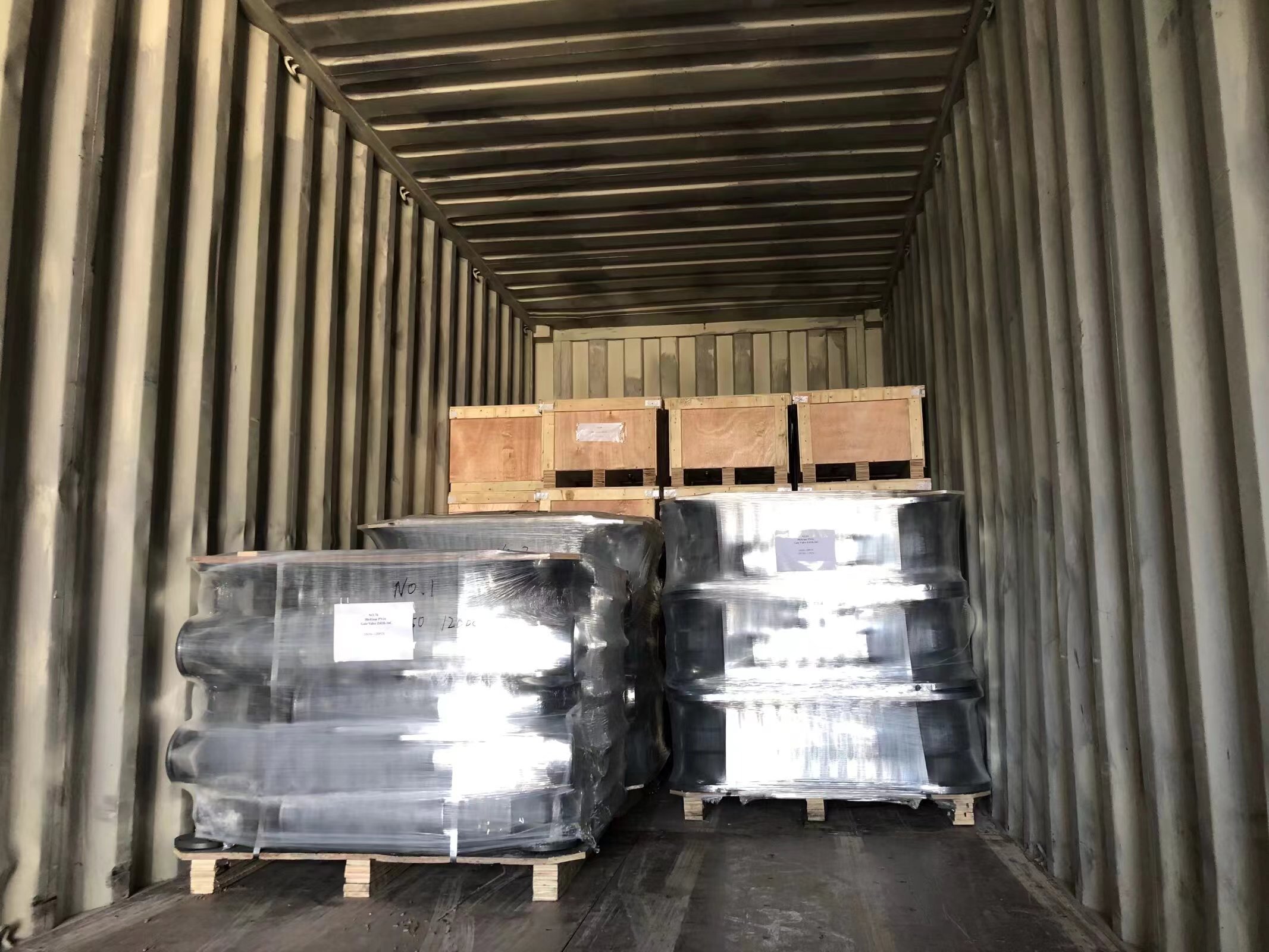
Introduction
Valves and pipe fittings are essential components in fluid handling systems across numerous industries, including oil and gas, chemical processing, power generation, and water treatment. These components control, direct, and regulate the flow of liquids, gases, and slurries. Valves, functioning as flow control interfaces, encompass a broad range of designs like ball, gate, globe, check, and butterfly valves, each optimized for specific applications and service conditions. Pipe fittings, including elbows, tees, reducers, and couplings, facilitate directional changes, branching, and connection between pipe sections. Their technical position within the industry chain is foundational; system integrity and operational efficiency are directly dependent on their selection, installation, and maintenance. Core performance characteristics are defined by pressure rating, temperature limits, material compatibility with the conveyed fluid, and leak tightness, all governed by rigorous industry standards. The selection process is often a complex undertaking, balancing cost with long-term reliability and safety requirements.
Material Science & Manufacturing
The material selection for valves and pipe fittings is paramount, dictated by the fluid being handled, operating temperature, pressure, and potential corrosive environment. Common materials include carbon steel (ASTM A53, A106), stainless steel (304, 316, duplex grades - ASTM A240), ductile iron (ASTM A509), and specialized alloys like Inconel or Hastelloy for highly corrosive services. Carbon steel, while cost-effective, is susceptible to corrosion and requires protective coatings. Stainless steels offer superior corrosion resistance but are more expensive. Manufacturing processes vary based on component type and material. Forging is frequently used for high-pressure valve bodies, providing enhanced strength and grain structure. Casting, utilizing sand, investment, or die casting methods, is common for complex geometries. Pipe fittings are often produced via seamless or welded processes. Seamless pipes (ASTM A53) offer greater strength and resistance to bursting, while welded pipes (ASTM A53) are more economical. Welding procedures require strict adherence to ASME Section IX to ensure joint integrity and prevent defects like porosity, slag inclusions, and incomplete penetration. Post-weld heat treatment (PWHT) is often employed to relieve residual stresses and improve ductility. Machining operations, including turning, milling, and drilling, are critical for achieving precise dimensions and smooth surface finishes, directly impacting sealing performance. Surface treatments like passivation (for stainless steel) and epoxy coating (for carbon steel) further enhance corrosion resistance.
Performance & Engineering
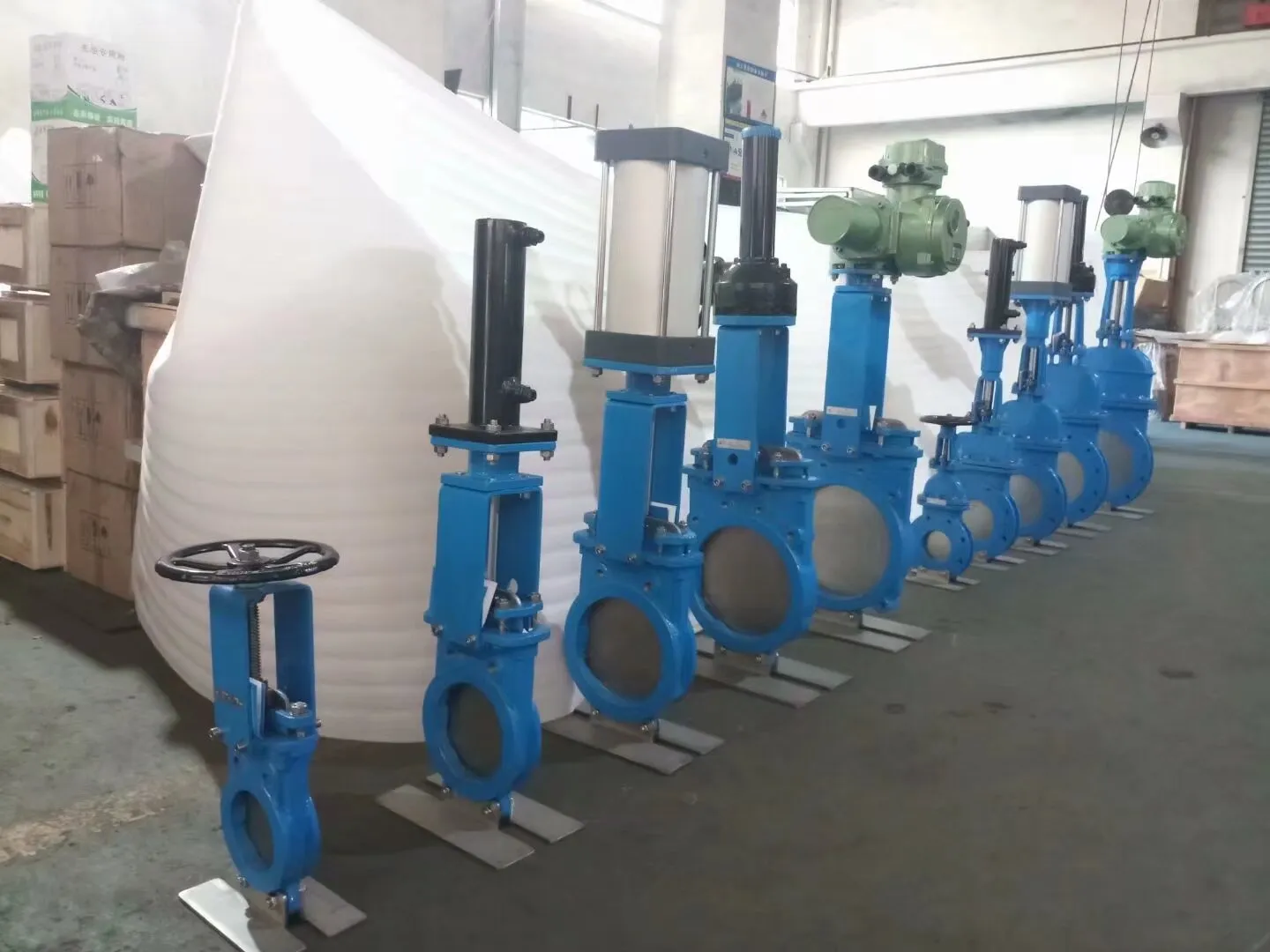
Performance of valves and pipe fittings is rigorously assessed through a combination of hydrostatic testing, pneumatic testing, and non-destructive examination (NDE). Hydrostatic testing, as per API 598, verifies the structural integrity of valve bodies and fittings under pressure, identifying leaks or weaknesses. Pneumatic testing, while less common due to safety concerns, is used for gas-handling systems. NDE methods, including radiographic testing (RT), ultrasonic testing (UT), and liquid penetrant testing (PT), detect internal flaws without damaging the component. Force analysis is crucial in valve design, particularly for seat loading and stem sealing. Finite Element Analysis (FEA) is used to simulate stress distribution and optimize component geometry to withstand high pressures and temperatures. Environmental resistance is a critical factor, especially in outdoor applications. UV exposure can degrade polymeric seals and coatings, necessitating the use of UV-resistant materials. Thermal cycling can induce stresses due to differential expansion and contraction, potentially leading to fatigue failure. Compliance requirements are stringent, governed by standards like ASME B31.3 (Process Piping), API 6D (Ball Valves), and PED (Pressure Equipment Directive). Functional implementation considerations include flow characteristics (Cv value for valves), pressure drop calculations, and the selection of appropriate actuation mechanisms (manual, pneumatic, electric, hydraulic).
Technical Specifications
| Parameter | Carbon Steel (A106 Gr. B) | 316 Stainless Steel (A351 CF8M) | Ductile Iron (A509 Gr. 65-45-12) | PVC (Schedule 80) |
|---|---|---|---|---|
| Maximum Operating Pressure (PSI) | 1440 | 900 | 740 | 400 |
| Maximum Operating Temperature (°F) | 800 | 650 | 500 | 140 |
| Tensile Strength (PSI) | 75,000 | 85,000 | 60,000 | 6,800 |
| Yield Strength (PSI) | 36,000 | 30,000 | 35,000 | 5,800 |
| Corrosion Resistance | Low (Requires Coating) | High | Moderate | Excellent (to many chemicals) |
| Typical Application | Water, Oil, Gas | Chemical Processing, Food & Beverage | Water, Wastewater | Irrigation, Chemical Transfer |
Failure Mode & Maintenance
Failure modes in valves and pipe fittings are diverse and often application-specific. Fatigue cracking can occur in components subjected to cyclic loading, particularly at stress concentrations around welds or threaded connections. Corrosion, including uniform corrosion, pitting corrosion, and crevice corrosion, weakens material integrity and leads to leaks. Erosion, caused by abrasive particles in the fluid stream, damages valve seats and internal surfaces. Cavitation, the formation and collapse of vapor bubbles, can cause severe erosion and noise. Gasket failure is a common issue, resulting from material degradation, improper installation, or exceeding temperature/pressure limits. Threaded connections can loosen due to vibration or thermal cycling. Maintenance solutions include regular inspection for signs of corrosion, erosion, or leakage. Preventive maintenance programs, including lubrication of valve stems and periodic replacement of gaskets and seals, are essential. Non-destructive examination (NDE) can detect hidden flaws before they lead to catastrophic failure. Proper torqueing of bolted connections is crucial to ensure joint integrity. For corroded components, surface preparation and application of protective coatings can extend service life. In cases of severe damage, component replacement is necessary. Root cause analysis (RCA) should be conducted for any significant failure to identify underlying issues and prevent recurrence.
Industry FAQ
Q: What is the difference between a gate valve and a ball valve, and when would I use each?
A: Gate valves are designed for on/off service and offer minimal flow restriction when fully open, making them suitable for applications where pressure drop is critical. However, they are slow to operate and not ideal for throttling. Ball valves provide quick quarter-turn operation and are better suited for both on/off and throttling applications. They offer a tighter shutoff but typically have higher flow resistance than gate valves.
Q: How does temperature affect the pressure rating of a pipe fitting?
A: As temperature increases, the strength of most materials decreases, leading to a reduction in the allowable pressure rating. Pressure-temperature derating charts, provided by manufacturers and standards like ASME B31.3, specify the permissible operating pressure at various temperatures. Exceeding these limits can lead to premature failure.
Q: What is the importance of material traceability in valve and fitting procurement?
A: Material traceability ensures that the materials used in construction meet specified chemical and mechanical properties. This is critical for quality control, especially in industries with stringent safety regulations. Traceability allows for identification of the material's origin, manufacturing process, and test results, facilitating investigation in the event of a failure.
Q: What are the common causes of leakage in threaded pipe connections?
A: Common causes include improper thread sealant application (or none at all), insufficient tightening torque, damaged threads, and galling during assembly. Using appropriate thread sealant (PTFE tape or pipe dope), applying the correct torque specified by the manufacturer, and inspecting threads for damage are crucial for preventing leaks.
Q: How can I mitigate the risk of cavitation damage in control valves?
A: Cavitation can be mitigated by increasing the downstream pressure, reducing the flow velocity, selecting a valve trim designed to resist cavitation (e.g., multi-stage trim), and ensuring proper valve sizing to avoid excessive pressure drop. Regular inspection for erosion and replacement of damaged valve internals are also important.
Conclusion
The selection and implementation of valves and pipe fittings represent a crucial aspect of safe and efficient fluid handling systems. A thorough understanding of material science, manufacturing processes, performance characteristics, and potential failure modes is essential for engineers and procurement professionals. Prioritizing material compatibility, adhering to relevant industry standards, and implementing robust maintenance programs are key to maximizing component longevity and minimizing the risk of costly downtime.
Looking forward, advancements in materials science, such as the development of new corrosion-resistant alloys and polymer composites, will continue to drive innovation in valve and fitting technology. Digitalization and the integration of smart sensors will enable predictive maintenance strategies and enhance operational efficiency. Furthermore, a continued focus on sustainable design and manufacturing practices will be paramount in minimizing the environmental impact of these critical components.
-
Top Reasons to Choose a Stainless Steel Flange Check Valve for Industrial Applications
-
electric check valve Performance Engineering
-
electric check valves Performance Analysis
-
Threaded Check Valves Performance Analysis
-
6 inch check valve Performance Analysis
-
8 check valve Performance Analysis
-
diaphragm check valve Material Science Manufacturing
-
dual plate check valve Performance Analysis
-
check valve 6 inch Material Science
-
diaphragm check valves Performance Analysis
-
dual plate check valves Performance Analysis
-
vertical check valves Material Science Manufacturing
-
8 check valves Performance Analysis
-
refrigeration check valves Performance Analysis
-
pilot check valve Performance Analysis
 Afrikaans
 Albanian
 Amharic
 Arabic
 Armenian
 Azerbaijani
 Basque
 Belarusian
 Bengali
 Bosnian
 Bulgarian
 Catalan
 Cebuano
 Corsican
 Croatian
 Czech
Czech
 Danish
 Dutch
Dutch
 Esperanto
 Estonian
 Finnish
 French
 Frisian
 Galician
 Georgian
 German
 Greek
Greek
 Gujarati
 Haitian Creole
 Hausa
Hawaiian
Hausa
Hawaiian
 Hebrew
 Hindi
Hindi
 Miao
Miao
 Hungarian
 Icelandic
 Igbo
Igbo
 Indonesian
 Irish
Irish
 Italian
 Japanese
 Javanese
Kannada
Javanese
Kannada
 Kazakh
 Khmer
Khmer
 Rwandese
 Korean
 Kurdish
 Kyrgyz
 Lao
Lao
 Latin
Latin
 Latvian
 Lithuanian
 Luxembourgish
 Macedonian
 Malgashi
 Malay
Malay
 Malayalam
 Maltese
 Maori
Maori
 Marathi
 Mongolian
 Myanmar
 Nepali
 Norwegian
 Norwegian
 Occitan
 Pashto
 Persian
 Polish
 Portuguese
Punjabi
Portuguese
Punjabi
 Romanian
 Russian
 Samoan
 Scottish Gaelic
 Serbian
 Sesotho
 Shona
Shona
 Sindhi
 Sinhala
 Slovak
 Slovenian
 Somali
 Spanish
 Sundanese
 Swahili
 Swedish
Tagalog
Swedish
Tagalog
 Tajik
Tajik
 Tamil
Tamil
 Tatar
Tatar
 Telugu
 Thai
Thai
 Turkish
 Turkmen
 Ukrainian
 Urdu
Urdu
 Uighur
 Uzbek
Uzbek
 Vietnamese
 Welsh
Welsh
 Bantu
Bantu
 Yiddish
 Yoruba
 Zulu
Zulu
 English