




flange solenoid valve Performance Analysis
Introduction
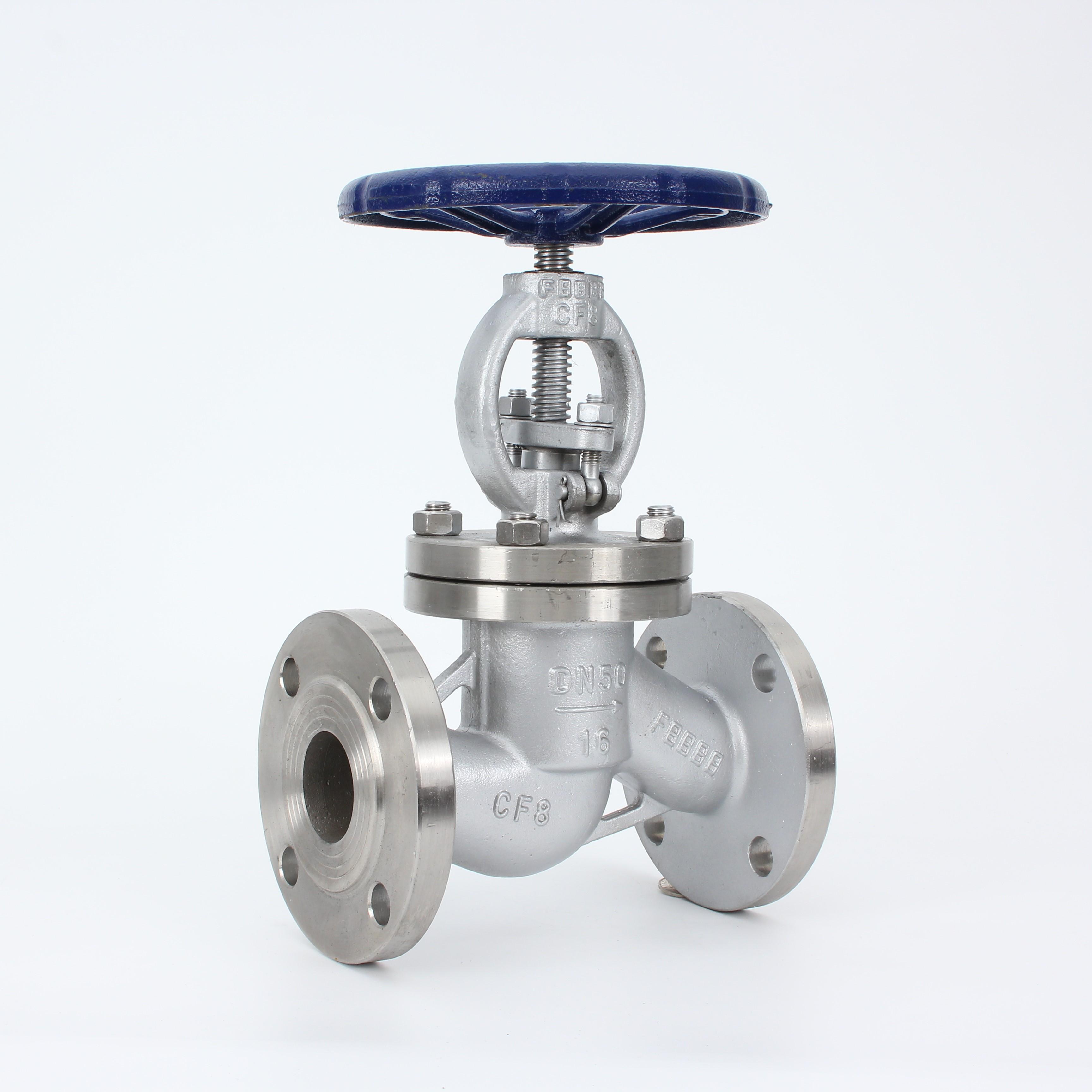
Flange solenoid valves are electromechanically operated valves used to control the flow of fluids, typically gases or liquids, within industrial processes. Positioned within the broader landscape of industrial automation, these valves represent a crucial component in systems demanding precise and remote control. Unlike direct-acting solenoid valves, flange connections offer increased structural integrity and suitability for higher pressure and temperature applications. Their application spans across industries including chemical processing, oil and gas, water treatment, and pharmaceutical manufacturing, where precise fluid regulation is paramount. Core performance characteristics include response time, flow capacity (Cv), pressure rating, fluid compatibility, and operational lifespan. A primary industry pain point revolves around maintaining consistent sealing performance over extended periods, mitigating leakage, and ensuring reliable operation in harsh environments characterized by corrosive fluids and extreme temperatures.
Material Science & Manufacturing
The body of a flange solenoid valve is commonly constructed from materials such as 304/316 stainless steel, carbon steel (with appropriate coatings), and various polymers like PTFE or PVDF, chosen for their chemical resistance and mechanical strength. Stainless steel alloys, particularly 316, are favored for corrosive environments due to their high chromium and molybdenum content, enhancing resistance to pitting and crevice corrosion. The internal components, including the plunger and valve seat, utilize materials like 4307 (a martensitic stainless steel) for its magnetic properties and high hardness, ensuring tight sealing. Manufacturing typically involves several stages: precision casting or forging for the valve body, followed by machining to achieve tight tolerances. The solenoid coil is wound with copper wire insulated with high-temperature varnish, encapsulated in a robust material such as epoxy resin. Critical parameters during manufacturing include maintaining surface finish to minimize friction and ensure leak-proof sealing, dimensional accuracy of internal components to prevent binding, and coil winding consistency to achieve predictable electromagnetic performance. Welding processes, when employed, must adhere to ASME Section IX standards to guarantee weld integrity. Post-manufacturing, rigorous testing, including pressure testing, leak testing (using nitrogen or helium), and electrical insulation testing, is conducted to validate performance and safety.
Performance & Engineering
The performance of a flange solenoid valve is fundamentally governed by Bernoulli’s principle and electromagnetic force. When energized, the solenoid coil generates a magnetic field, exerting a force on the plunger, which lifts the valve seat, allowing fluid flow. Force analysis necessitates considering the magnetic pull force, spring force (of the return spring), and the fluid pressure acting on the plunger. Environmental resistance is crucial; valves operating in outdoor or hazardous locations require ingress protection (IP) ratings (e.g., IP67, IP69K) to withstand dust, water, and extreme temperatures. Compliance requirements vary by region. In North America, valves destined for hazardous locations must meet the standards of the National Electrical Code (NEC) and be certified by agencies like UL or FM. European regulations mandate compliance with ATEX directives for explosive atmospheres. Functional implementation necessitates proper sizing of the valve based on flow rate and pressure drop requirements. The Cv (flow coefficient) is a key parameter, defining the valve’s capacity to pass fluid. Furthermore, understanding the valve’s response time (opening and closing speeds) is critical for applications requiring rapid cycling or precise timing. Material selection also impacts performance; PTFE seats provide excellent chemical resistance but may exhibit limited temperature capabilities compared to metal seats.
Technical Specifications
| Parameter | Unit | Typical Value (Stainless Steel, 2" Flange) | Tolerance |
|---|---|---|---|
| Maximum Pressure | psi | 500 | ±10% |
| Operating Temperature Range | °F | -20 to 176 | ±5°F |
| Flow Coefficient (Cv) | gal/min @ 1 psi | 25 | ±10% |
| Response Time (Open/Close) | ms | 20/30 | ±15% |
| Coil Voltage | VDC | 24 | ±5% |
| Ingress Protection | IP66 | N/A |
Failure Mode & Maintenance
Common failure modes for flange solenoid valves include seat leakage due to particulate contamination or wear, coil burnout caused by overvoltage or overheating, plunger sticking resulting from corrosion or foreign material, and flange connection failures due to improper tightening or thermal cycling. Fatigue cracking can occur in the valve body under cyclic pressure loads, particularly in carbon steel designs. Delamination of PTFE seats can also lead to leakage. Failure analysis often reveals that seat leakage is exacerbated by abrasive particles in the fluid stream. Coil burnout frequently stems from exceeding the voltage rating or inadequate heat dissipation. Plunger sticking often indicates the need for cleaning or lubrication. Maintenance strategies involve regular inspection of flange connections for tightness, periodic cleaning of the valve internals to remove debris, and replacement of seals and diaphragms at recommended intervals. Preventive maintenance should include monitoring coil temperature and voltage to detect potential issues before failure. For valves operating in harsh environments, corrosion inhibitors may be added to the fluid stream to mitigate corrosion. Proper torque specification during flange bolting is critical to prevent distortion and leakage. Ultrasonic testing can be employed to detect internal cracks or flaws in the valve body.
Industry FAQ
Q: What are the key considerations when selecting a flange solenoid valve for a corrosive fluid application?
A: The primary considerations are the valve body and seat material. 316 stainless steel, PTFE, and PVDF are commonly used for their excellent chemical resistance. It’s crucial to consult a chemical compatibility chart to ensure the materials are compatible with the specific fluid. Additionally, consider the valve’s pressure and temperature rating, ensuring they exceed the application’s operating conditions. Regular inspection and replacement of seals are also vital.
Q: How does the flange connection impact the valve's performance and reliability?
A: The flange connection provides a more robust and leak-proof seal compared to threaded connections, particularly at higher pressures and temperatures. However, proper installation and torque specifications are crucial. Uneven tightening or insufficient torque can lead to distortion and leakage. The flange material must also be compatible with the piping system to prevent galvanic corrosion.
Q: What is the significance of the IP rating for a solenoid valve?
A: The IP (Ingress Protection) rating defines the valve’s resistance to dust and water. A higher IP rating (e.g., IP67, IP69K) indicates greater protection. This is particularly important for valves operating in outdoor environments or washdown applications where exposure to dust and water is likely. The specific IP rating required depends on the application’s environmental conditions.
Q: What are the implications of a slow response time in a solenoid valve?
A: A slow response time can negatively impact process control, leading to inaccuracies and inefficiencies. It may be caused by a weak solenoid coil, excessive fluid viscosity, or a sticking plunger. Proper valve sizing, ensuring adequate voltage supply, and regular maintenance can help to improve response time. In applications requiring precise timing, a fast-acting solenoid valve is crucial.
Q: What preventative maintenance should be performed on a flange solenoid valve?
A: Preventative maintenance should include regular visual inspections for leaks and corrosion, checking flange connections for tightness, cleaning the valve internals to remove debris, lubricating moving parts (if applicable), and testing the solenoid coil’s voltage and resistance. Following the manufacturer’s recommended maintenance schedule is crucial for maximizing valve lifespan and reliability.
Conclusion
Flange solenoid valves represent a critical control element in a wide array of industrial applications. Understanding the interplay between material science, manufacturing precision, and engineering principles is paramount for selecting and maintaining these valves effectively. The longevity and reliable operation of these valves are directly tied to proper material selection based on fluid compatibility and environmental conditions, adherence to stringent manufacturing tolerances, and the implementation of a robust preventative maintenance program.
Looking forward, advancements in solenoid valve technology will likely focus on increased energy efficiency, improved diagnostic capabilities (e.g., predictive maintenance based on sensor data), and the development of smarter valves with integrated communication protocols for seamless integration into industrial IoT ecosystems. Continued refinement of sealing materials and designs will address the persistent challenge of leakage and enhance overall system performance.
-
Top Reasons to Choose a Stainless Steel Flange Check Valve for Industrial Applications
-
6 wafer check valve Performance Analysis
-
cryogenic check valves Performance Analysis
-
soft seated check valve Performance Analysis
-
3/4 check valve Performance Analysis
-
wafer style check valve Performance Analysis
-
check valve with orifice Performance Analysis
-
check valve 8 inch Performance Analysis
-
1 1 2 inch check valve Performance Analysis
-
cast iron check valves Performance Analysis
-
teejet check valves Performance Analysis
-
teejet check valve Performance Analysis
-
8 inch check valve Performance Analysis
-
wafer style check valves Performance Analysis
-
3 4 spring check valve Performance Analysis
 Afrikaans
 Albanian
 Amharic
 Arabic
 Armenian
 Azerbaijani
 Basque
 Belarusian
 Bengali
 Bosnian
 Bulgarian
 Catalan
 Cebuano
 Corsican
 Croatian
 Czech
Czech
 Danish
 Dutch
Dutch
 Esperanto
 Estonian
 Finnish
 French
 Frisian
 Galician
 Georgian
 German
 Greek
Greek
 Gujarati
 Haitian Creole
 Hausa
Hawaiian
Hausa
Hawaiian
 Hebrew
 Hindi
Hindi
 Miao
Miao
 Hungarian
 Icelandic
 Igbo
Igbo
 Indonesian
 Irish
Irish
 Italian
 Japanese
 Javanese
Kannada
Javanese
Kannada
 Kazakh
 Khmer
Khmer
 Rwandese
 Korean
 Kurdish
 Kyrgyz
 Lao
Lao
 Latin
Latin
 Latvian
 Lithuanian
 Luxembourgish
 Macedonian
 Malgashi
 Malay
Malay
 Malayalam
 Maltese
 Maori
Maori
 Marathi
 Mongolian
 Myanmar
 Nepali
 Norwegian
 Norwegian
 Occitan
 Pashto
 Persian
 Polish
 Portuguese
Punjabi
Portuguese
Punjabi
 Romanian
 Russian
 Samoan
 Scottish Gaelic
 Serbian
 Sesotho
 Shona
Shona
 Sindhi
 Sinhala
 Slovak
 Slovenian
 Somali
 Spanish
 Sundanese
 Swahili
 Swedish
Tagalog
Swedish
Tagalog
 Tajik
Tajik
 Tamil
Tamil
 Tatar
Tatar
 Telugu
 Thai
Thai
 Turkish
 Turkmen
 Ukrainian
 Urdu
Urdu
 Uighur
 Uzbek
Uzbek
 Vietnamese
 Welsh
Welsh
 Bantu
Bantu
 Yiddish
 Yoruba
 Zulu
Zulu
 English