




flow control valve Performance Engineering
Introduction
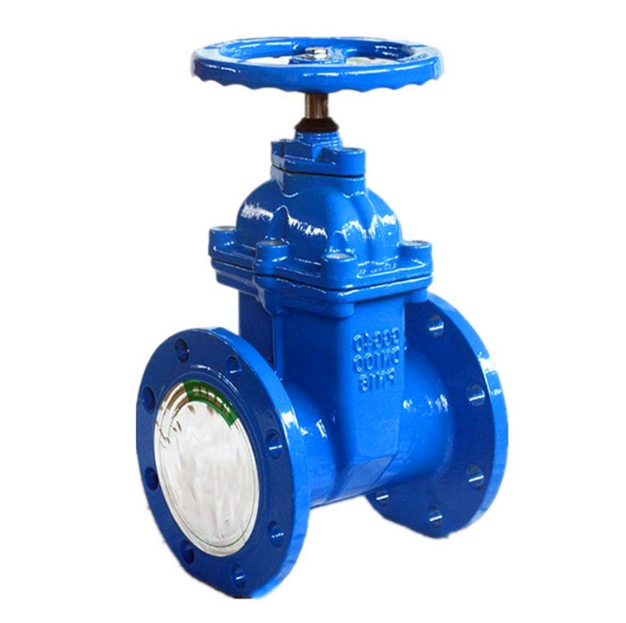
Flow control valves are essential components in process industries, regulating the flow of liquids, gases, or slurries to maintain desired process conditions. Positioned within the broader industrial automation chain, they act as the final control element, responding to signals from controllers to modulate flow rates. Their core performance characteristics include accuracy, responsiveness, capacity (Cv value), shut-off capability, and resistance to the process fluid. A primary industry pain point lies in achieving stable, precise control under varying process conditions – fluctuating pressures, temperatures, and fluid viscosities can dramatically impact valve performance. Furthermore, selecting the appropriate valve material for chemical compatibility and erosion resistance represents a significant engineering challenge, directly impacting longevity and maintenance costs. The escalating need for energy efficiency and reduced emissions also drives demand for valves with minimized pressure drop and leak rates.
Material Science & Manufacturing
Flow control valve bodies are commonly manufactured from carbon steel, stainless steel (304, 316, 316L), alloy steels, and specialized materials like Hastelloy or Monel for highly corrosive environments. Material selection dictates resistance to corrosion, erosion, and temperature extremes. Stainless steel’s austenitic structure provides excellent corrosion resistance but can be susceptible to stress corrosion cracking in chloride-rich environments. Carbon steel is cost-effective but requires protective coatings (epoxy, PTFE) for corrosive fluids. Manufacturing processes include casting, forging, and machining. Valve trims (plugs, seats, stems) are often manufactured from harder alloys like Stellite or hardened stainless steels to resist wear. Valve seats are lapped to achieve a tight shut-off. Control valve bodies are often manufactured using investment casting for complex geometries and tight tolerances. The precision of machining the valve bore and the valve trim is crucial. Parameters such as surface roughness (Ra), dimensional accuracy, and concentricity are tightly controlled to minimize leakage and hysteresis. Welding processes, if used, require stringent quality control (radiographic inspection, dye penetrant testing) to ensure structural integrity. The choice of welding electrode and shielding gas is critical to prevent weld decay and maintain corrosion resistance. Heat treatment post-welding is also often required to restore material properties.
Performance & Engineering
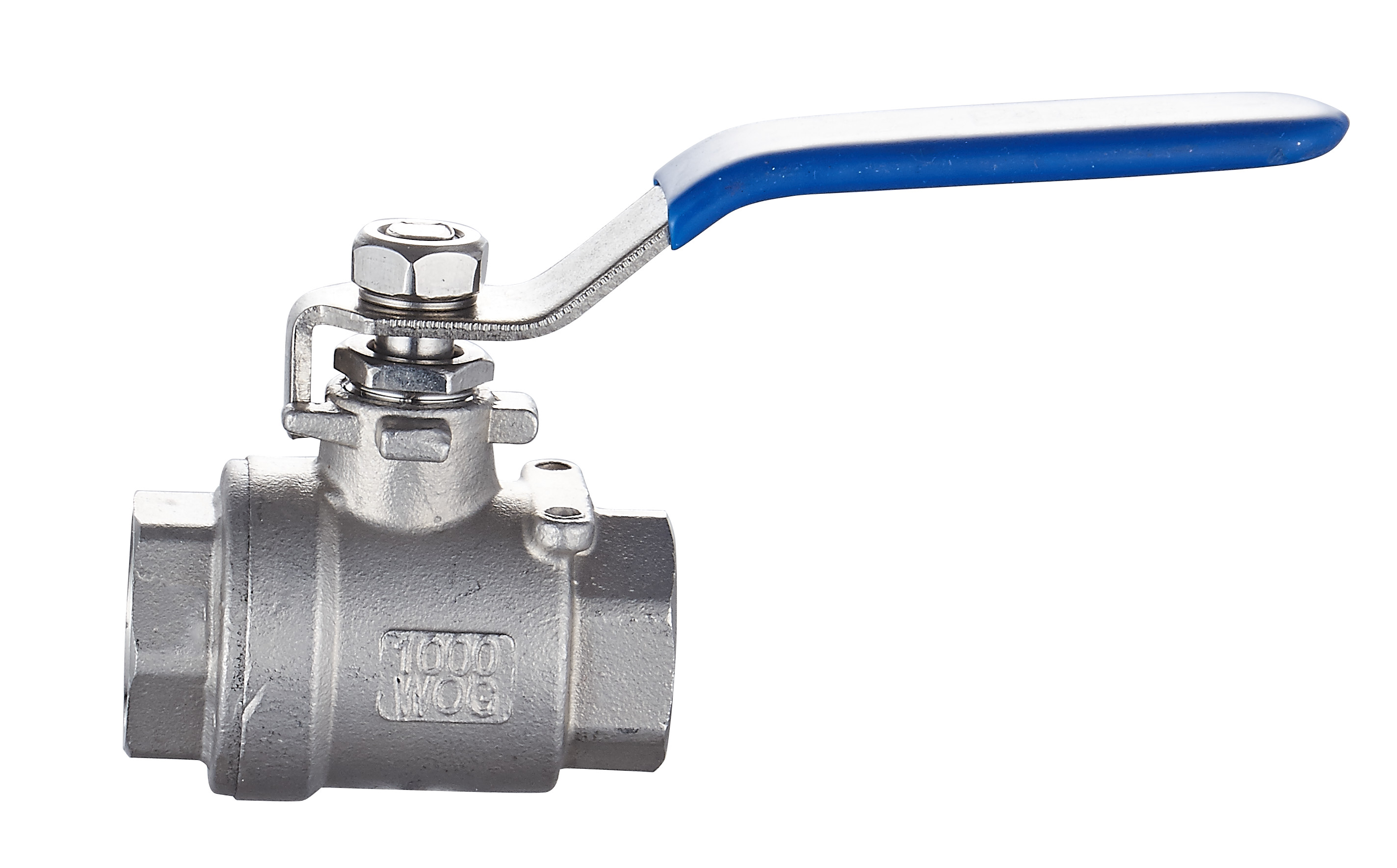
The performance of a flow control valve is heavily governed by fluid dynamics and control theory. The valve's flow coefficient (Cv) determines the flow rate for a given pressure drop. Understanding the relationship between flow rate, pressure drop, and valve opening is fundamental. Force analysis is critical – valves must withstand process pressures and the forces exerted by the fluid stream. Actuator sizing must provide sufficient force to overcome these forces and accurately position the valve trim. Environmental resistance is also paramount; valves operating in extreme temperatures, corrosive atmospheres, or hazardous locations require specialized seals, coatings, and enclosures (NEMA ratings for electrical components). Compliance requirements vary by industry. In pharmaceutical applications, valves must meet stringent sanitary standards (3-A Sanitary Standards). In oil and gas, valves must comply with API 6D and API 6A standards. Functional implementation depends on the chosen actuator type – pneumatic, electric, or hydraulic. Pneumatic actuators offer fast response times and are cost-effective, but require a compressed air supply. Electric actuators provide precise positioning and are suitable for remote operation, but may be slower. Hydraulic actuators are used for high-force applications.
Technical Specifications
| Parameter | Unit | Typical Value (Stainless Steel Globe Valve) | Tolerance |
|---|---|---|---|
| Cv (Flow Coefficient) | Gallons per minute per psi | 10 | ±5% |
| Pressure Rating | psi | 200 | N/A |
| Temperature Range | °F | -20 to 450 | N/A |
| Actuator Type | Pneumatic (Diaphragm) | N/A | |
| Actuator Supply Pressure | psi | 30-150 | ±2 psi |
| Leakage Class | Class VI (Bubble Tight) | N/A |
Failure Mode & Maintenance
Common failure modes in flow control valves include seat erosion, stem packing leakage, actuator diaphragm failure (pneumatic actuators), and corrosion of valve body or trim. Seat erosion occurs due to high-velocity fluids or the presence of abrasive particles. Stem packing leakage results from wear or degradation of the packing material. Diaphragm failure in pneumatic actuators is often caused by age, temperature extremes, or contamination. Corrosion can lead to material degradation and valve failure. Fatigue cracking can occur in valve stems or bodies subjected to cyclic loading. Delamination of coatings can expose underlying metal to corrosive environments. Maintenance solutions include regular inspection of valve components, replacement of worn parts (seats, packing, diaphragms), and application of protective coatings. Preventative maintenance schedules should be established based on operating conditions and process fluid characteristics. Periodic testing of actuator response time and valve position accuracy is crucial. Ultrasonic testing can be used to detect internal corrosion or cracking. Lubrication of valve stems and actuators is essential to reduce friction and prevent wear. Proper storage of spare parts is also vital to minimize downtime.
Industry FAQ
Q: What are the key considerations when selecting a valve material for a highly corrosive chemical process?
A: The primary consideration is chemical compatibility. Consult material compatibility charts to determine which alloys are resistant to the specific chemicals involved. Factors like concentration, temperature, and flow velocity also influence corrosion rates. Consider specialized alloys like Hastelloy, Monel, or titanium for highly aggressive environments. Protective linings (PTFE, PFA) can also be used to enhance corrosion resistance.
Q: How does valve hysteresis affect process control accuracy?
A: Valve hysteresis refers to the difference in valve position for the same control signal depending on whether the signal is increasing or decreasing. It introduces a lag in the control loop, reducing accuracy and potentially leading to oscillations. Minimizing hysteresis requires precise machining of valve components, proper lubrication, and careful actuator selection.
Q: What is the significance of the valve’s Cv value in system design?
A: The Cv value is critical for determining the appropriate valve size for a given application. It dictates the flow rate achievable at a specific pressure drop. Incorrect valve sizing can lead to excessive pressure drop, cavitation, or instability in the process. Accurate Cv determination is essential for optimizing system performance.
Q: What preventative maintenance procedures are recommended for pneumatic control valves?
A: Regular inspection of the air supply for moisture and contaminants is crucial. Diaphragm replacement should be performed according to manufacturer's recommendations. Check for leaks in the actuator and valve body. Lubricate moving parts and calibrate the valve positioner to ensure accurate control.
Q: How do different actuator types (pneumatic, electric, hydraulic) compare in terms of response time and precision?
A: Pneumatic actuators generally offer the fastest response time, but precision can be limited by air compressibility. Electric actuators provide higher precision, but are typically slower. Hydraulic actuators offer high force and reasonable speed, but require a hydraulic power unit and are often more complex.
Conclusion
Flow control valves represent a crucial intersection of materials science, fluid dynamics, and control engineering. Selecting the optimal valve for a given application requires careful consideration of process conditions, fluid properties, and compliance requirements. Understanding the potential failure modes and implementing a robust preventative maintenance program are essential for ensuring long-term reliability and minimizing downtime.
The continued trend towards process optimization and Industry 4.0 integration will drive innovation in flow control valve technology. Smart valves with integrated sensors and diagnostics will provide real-time performance data, enabling predictive maintenance and improved process control. The development of new materials and coatings will further enhance valve durability and corrosion resistance, extending their service life in challenging environments.
-
Top Reasons to Choose a Stainless Steel Flange Check Valve for Industrial Applications
-
6 wafer check valve Performance Analysis
-
cryogenic check valves Performance Analysis
-
soft seated check valve Performance Analysis
-
3/4 check valve Performance Analysis
-
wafer style check valve Performance Analysis
-
check valve with orifice Performance Analysis
-
check valve 8 inch Performance Analysis
-
1 1 2 inch check valve Performance Analysis
-
cast iron check valves Performance Analysis
-
teejet check valves Performance Analysis
-
teejet check valve Performance Analysis
-
8 inch check valve Performance Analysis
-
wafer style check valves Performance Analysis
-
3 4 spring check valve Performance Analysis
 Afrikaans
 Albanian
 Amharic
 Arabic
 Armenian
 Azerbaijani
 Basque
 Belarusian
 Bengali
 Bosnian
 Bulgarian
 Catalan
 Cebuano
 Corsican
 Croatian
 Czech
Czech
 Danish
 Dutch
Dutch
 Esperanto
 Estonian
 Finnish
 French
 Frisian
 Galician
 Georgian
 German
 Greek
Greek
 Gujarati
 Haitian Creole
 Hausa
Hawaiian
Hausa
Hawaiian
 Hebrew
 Hindi
Hindi
 Miao
Miao
 Hungarian
 Icelandic
 Igbo
Igbo
 Indonesian
 Irish
Irish
 Italian
 Japanese
 Javanese
Kannada
Javanese
Kannada
 Kazakh
 Khmer
Khmer
 Rwandese
 Korean
 Kurdish
 Kyrgyz
 Lao
Lao
 Latin
Latin
 Latvian
 Lithuanian
 Luxembourgish
 Macedonian
 Malgashi
 Malay
Malay
 Malayalam
 Maltese
 Maori
Maori
 Marathi
 Mongolian
 Myanmar
 Nepali
 Norwegian
 Norwegian
 Occitan
 Pashto
 Persian
 Polish
 Portuguese
Punjabi
Portuguese
Punjabi
 Romanian
 Russian
 Samoan
 Scottish Gaelic
 Serbian
 Sesotho
 Shona
Shona
 Sindhi
 Sinhala
 Slovak
 Slovenian
 Somali
 Spanish
 Sundanese
 Swahili
 Swedish
Tagalog
Swedish
Tagalog
 Tajik
Tajik
 Tamil
Tamil
 Tatar
Tatar
 Telugu
 Thai
Thai
 Turkish
 Turkmen
 Ukrainian
 Urdu
Urdu
 Uighur
 Uzbek
Uzbek
 Vietnamese
 Welsh
Welsh
 Bantu
Bantu
 Yiddish
 Yoruba
 Zulu
Zulu
 English