




High pressure needle valve Performance Analysis
Introduction
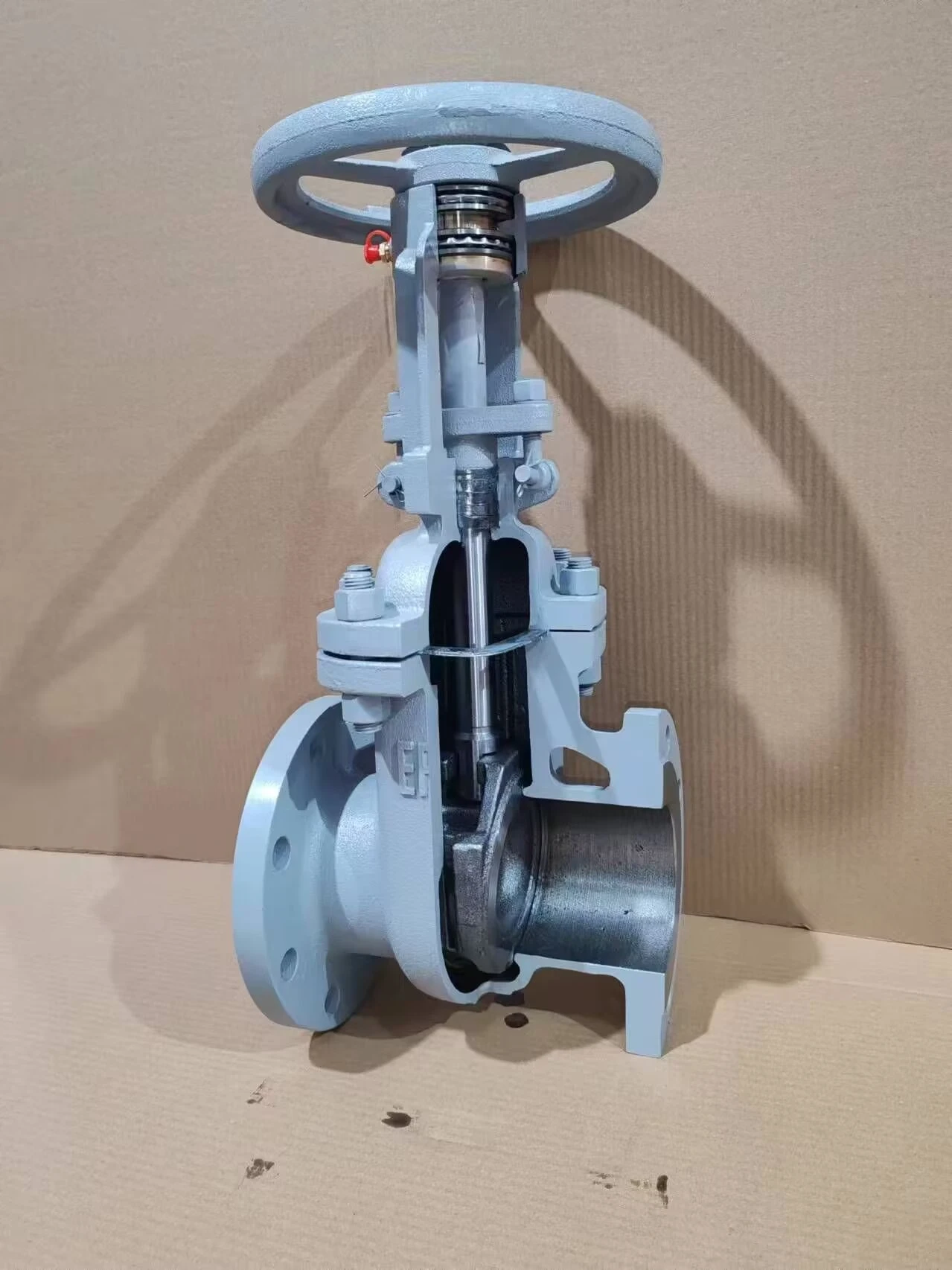
High pressure needle valves are precision flow control devices critical in industries dealing with demanding fluid and gas applications. Positioned within the fluid control segment, they function as a sophisticated throttling valve, offering precise regulation of flow rates even with minimal stem travel. Unlike ball valves optimized for on/off service, or gate valves intended for fully open or closed positions, needle valves excel in fine adjustments. Their application spans industries including oil and gas, chemical processing, hydraulic systems, and instrumentation where accurate and repeatable flow control under high pressure is paramount. Core performance characteristics include high pressure rating, leak-tight shutoff, and precise metering capabilities. A key pain point within the industry revolves around material compatibility in aggressive chemical environments, ensuring long-term reliability and preventing premature failure due to corrosion or erosion. Maintaining precise flow calibration under fluctuating temperatures and pressures also presents a significant challenge.
Material Science & Manufacturing
The construction of high pressure needle valves relies on materials selected for their strength, corrosion resistance, and dimensional stability. Common body materials include stainless steels (316, 304, Alloy 20), Monel, Hastelloy, and various nickel alloys, chosen based on the media handled and operating conditions. The valve seat, responsible for tight shutoff, often utilizes hardened alloys like Stellite or Tungsten Carbide to withstand erosion and maintain sealing integrity. Stem materials typically mirror the body material, with additional surface treatments like chrome plating or Nitriding for enhanced durability. Manufacturing processes begin with precision machining of the valve body from solid bar stock or forging, ensuring tight tolerances. The needle itself is manufactured through a combination of precision turning and grinding, achieving a highly polished, tapered surface for optimal sealing. Critical parameters during manufacturing include surface finish (Ra values) on the sealing surfaces, dimensional accuracy of the needle taper, and thread quality for leak-tight connections. Welding processes, when employed (e.g., for connecting valve ends), must adhere to stringent standards like ASME Section IX to guarantee weld integrity and prevent failures due to weld defects. Post-manufacturing, hydrostatic testing is essential to verify the valve's pressure rating and leak tightness, conducted per API 598 standards. Quality control focuses on non-destructive testing methods like Liquid Penetrant Inspection (LPI) and Radiographic Testing (RT) to detect surface and internal flaws.
Performance & Engineering
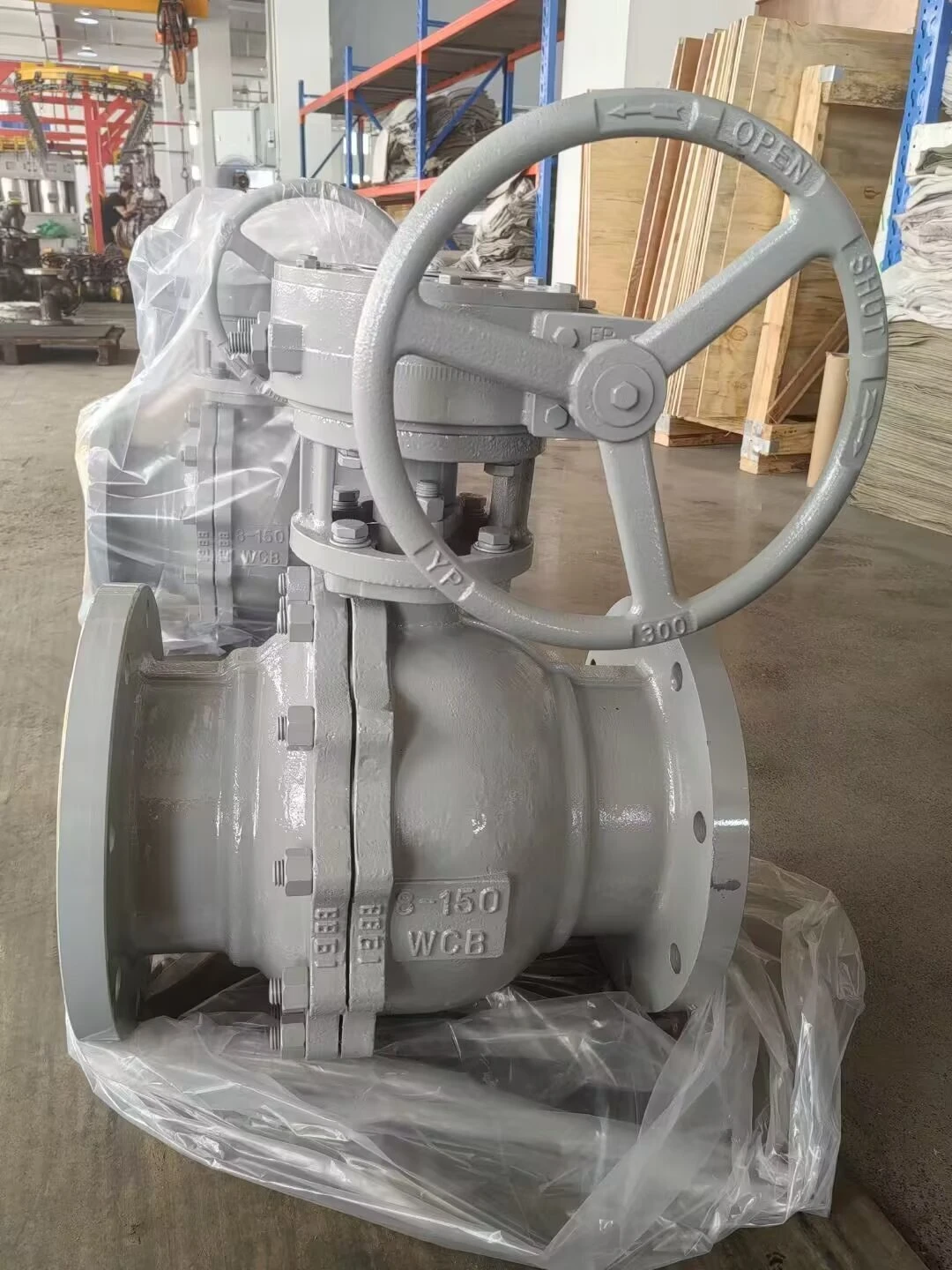
The performance of a high pressure needle valve is fundamentally governed by fluid dynamics and mechanical stress analysis. Bernoulli's principle dictates the relationship between fluid velocity and pressure drop across the valve's restriction. The tapered needle design creates a variable orifice, allowing precise control of flow rate by adjusting the stem position. Force analysis is crucial, particularly concerning stem thrust, which increases exponentially with pressure. Valve designs must account for these forces to prevent stem deformation or damage to the seating surfaces. Environmental resistance is a key engineering consideration; prolonged exposure to corrosive fluids or extreme temperatures can degrade material properties and compromise valve performance. Material selection is therefore dictated by the specific application. Compliance requirements vary based on industry and location. For example, valves intended for use in hazardous locations must conform to ATEX or IECEx standards. Hydraulic actuation often employs a fail-safe design, ensuring the valve defaults to a safe position (open or closed) in the event of power loss. Finite Element Analysis (FEA) is extensively used during the design phase to simulate stress distributions and optimize the valve's geometry for maximum pressure rating and longevity. Leakage rates are typically specified in terms of parts per million (PPM) or cubic centimeters per minute (cc/min) and are rigorously tested according to industry standards like FCI 70-2.
Technical Specifications
| Parameter | Unit | Typical Value (Stainless Steel 316) | Typical Value (Hastelloy C-276) |
|---|---|---|---|
| Maximum Pressure Rating | psi | 10,000 | 7,500 |
| Temperature Range | °F | -60 to 450 | -200 to 600 |
| Cv Value (Typical) | - | 0.05 - 0.5 | 0.05 - 0.5 |
| Connection Type | - | NPT, BSPT, Socket Weld, Butt Weld | NPT, BSPT, Socket Weld, Butt Weld |
| Orifice Size | mm | 1.0 – 6.0 | 1.0 – 6.0 |
| Leakage Rate | cc/min (Air) | <0.1 | <0.1 |
Failure Mode & Maintenance
High pressure needle valves, despite robust design, are susceptible to specific failure modes. Fatigue cracking can occur in the stem or body due to repeated cycles of high pressure and temperature fluctuations. Erosion is a common issue when handling abrasive fluids or slurries, leading to degradation of the needle and seat. Galvanic corrosion can arise when dissimilar metals are in contact in a corrosive environment. Another frequent failure is seat damage due to particulate contamination, preventing a tight shutoff. Oxidation at high temperatures can lead to material embrittlement and loss of strength. Maintenance involves regular inspection for leaks, corrosion, and wear. Periodic cleaning to remove debris and contaminants is vital. Lubrication of the stem threads is necessary to ensure smooth operation and prevent galling. When replacing components, it is critical to use materials compatible with the process fluid. Preventative maintenance schedules should include hydrostatic testing to verify pressure rating. Failure analysis should be conducted on failed valves to identify the root cause and implement corrective actions. For example, if erosion is identified, switching to a harder seat material or implementing filtration upstream of the valve can mitigate the issue. Proper storage of spare parts in a clean, dry environment is also essential to prevent corrosion or contamination.
Industry FAQ
Q: What is the impact of fluid viscosity on the accuracy of flow control in a needle valve?
A: Higher fluid viscosity increases resistance to flow, reducing the Cv value and impacting the linearity of the flow control. Accurate flow control requires careful calibration for the specific fluid and viscosity being used, or the selection of a valve with a Cv value appropriate for the application.
Q: How does temperature affect the performance and sealing capability of a high-pressure needle valve?
A: Temperature changes cause thermal expansion and contraction of valve components, potentially affecting sealing and clearances. Elevated temperatures can also reduce material strength and corrosion resistance. Valves must be selected with materials capable of withstanding the operating temperature range, and thermal expansion needs to be considered in the design.
Q: What are the advantages of using a metal-to-metal seat design versus a soft seat design in high-pressure applications?
A: Metal-to-metal seats offer superior resistance to erosion, temperature extremes, and chemical attack compared to soft seats (e.g., PTFE, rubber). While metal seats may not achieve the same level of bubble-tight shutoff as soft seats, they are more durable and reliable in demanding high-pressure environments.
Q: What are the critical considerations when specifying a needle valve for a hazardous area?
A: When used in hazardous areas, needle valves must comply with relevant standards (ATEX, IECEx, etc.). This includes selecting appropriate materials, ensuring proper grounding, and using explosion-proof actuators if automated. Certification documentation from the manufacturer is essential.
Q: How can I minimize the risk of galling or seizing of the valve stem?
A: Galling and seizing can be minimized by using compatible materials for the stem and body, applying a suitable lubricant, and ensuring the stem threads are clean and free of debris. Regular operation of the valve also helps prevent seizing.
Conclusion
High pressure needle valves represent a critical component in a diverse range of industrial applications demanding precise flow control under challenging conditions. The selection of appropriate materials, coupled with meticulous manufacturing processes, is fundamental to ensuring long-term reliability and safe operation. Understanding the potential failure modes, alongside the implementation of robust preventative maintenance programs, is crucial for maximizing valve lifespan and minimizing downtime.
Looking ahead, advancements in materials science and manufacturing techniques – such as additive manufacturing – will enable the creation of even more specialized and high-performing needle valves capable of operating in increasingly extreme environments. Continued focus on minimizing leakage rates and improving automation capabilities will further enhance the value proposition of these critical flow control devices.
-
Top Reasons to Choose a Stainless Steel Flange Check Valve for Industrial Applications
-
6 wafer check valve Performance Analysis
-
cryogenic check valves Performance Analysis
-
soft seated check valve Performance Analysis
-
3/4 check valve Performance Analysis
-
wafer style check valve Performance Analysis
-
check valve with orifice Performance Analysis
-
check valve 8 inch Performance Analysis
-
1 1 2 inch check valve Performance Analysis
-
cast iron check valves Performance Analysis
-
teejet check valves Performance Analysis
-
teejet check valve Performance Analysis
-
8 inch check valve Performance Analysis
-
wafer style check valves Performance Analysis
-
3 4 spring check valve Performance Analysis
 Afrikaans
 Albanian
 Amharic
 Arabic
 Armenian
 Azerbaijani
 Basque
 Belarusian
 Bengali
 Bosnian
 Bulgarian
 Catalan
 Cebuano
 Corsican
 Croatian
 Czech
Czech
 Danish
 Dutch
Dutch
 Esperanto
 Estonian
 Finnish
 French
 Frisian
 Galician
 Georgian
 German
 Greek
Greek
 Gujarati
 Haitian Creole
 Hausa
Hawaiian
Hausa
Hawaiian
 Hebrew
 Hindi
Hindi
 Miao
Miao
 Hungarian
 Icelandic
 Igbo
Igbo
 Indonesian
 Irish
Irish
 Italian
 Japanese
 Javanese
Kannada
Javanese
Kannada
 Kazakh
 Khmer
Khmer
 Rwandese
 Korean
 Kurdish
 Kyrgyz
 Lao
Lao
 Latin
Latin
 Latvian
 Lithuanian
 Luxembourgish
 Macedonian
 Malgashi
 Malay
Malay
 Malayalam
 Maltese
 Maori
Maori
 Marathi
 Mongolian
 Myanmar
 Nepali
 Norwegian
 Norwegian
 Occitan
 Pashto
 Persian
 Polish
 Portuguese
Punjabi
Portuguese
Punjabi
 Romanian
 Russian
 Samoan
 Scottish Gaelic
 Serbian
 Sesotho
 Shona
Shona
 Sindhi
 Sinhala
 Slovak
 Slovenian
 Somali
 Spanish
 Sundanese
 Swahili
 Swedish
Tagalog
Swedish
Tagalog
 Tajik
Tajik
 Tamil
Tamil
 Tatar
Tatar
 Telugu
 Thai
Thai
 Turkish
 Turkmen
 Ukrainian
 Urdu
Urdu
 Uighur
 Uzbek
Uzbek
 Vietnamese
 Welsh
Welsh
 Bantu
Bantu
 Yiddish
 Yoruba
 Zulu
Zulu
 English