




control needle valve Performance Analysis
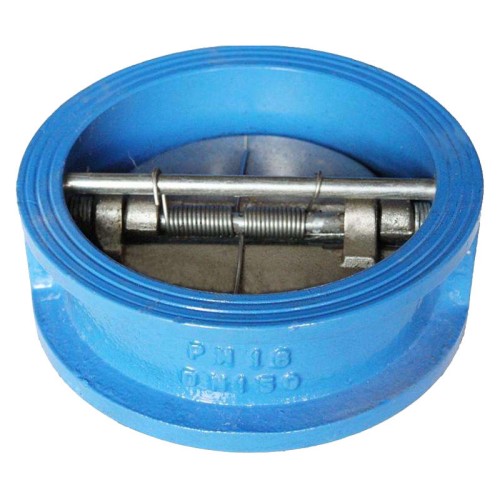
Introduction
Control needle valves are precision flow control devices utilized extensively in process instrumentation and control systems. Positioned within the broader valve industry, they function as a crucial component in regulating flow rates of liquids and gases, differing from standard valves through their precise, gradual control capability. Their core performance characteristics center around accurate flow modulation, repeatability, and tight shut-off, making them integral to applications demanding exacting control – such as chemical injection, pilot plant operations, and analytical instrumentation. A primary industry pain point lies in achieving consistent performance across varying fluid viscosities and pressures, necessitating careful material selection and precise machining tolerances. Furthermore, ensuring leak-tight operation in corrosive or hazardous environments presents a significant engineering challenge. The selection of appropriate seal materials and valve body construction is paramount for long-term reliability and safety.
Material Science & Manufacturing
Control needle valves are typically manufactured from stainless steel (304, 316, 316L), Alloy 20, Hastelloy, Monel, or other corrosion-resistant alloys depending on the process fluid. The choice of material is dictated by chemical compatibility, temperature requirements, and pressure ratings. Stainless steel 316/316L provides good resistance to a wide range of corrosive media. Alloy 20 offers superior resistance to sulfuric acid, while Hastelloy is selected for highly aggressive environments. The valve body is commonly produced through precision machining, starting with bar stock or castings. Critical dimensions, particularly the needle and seat interface, require tight tolerances achieved via CNC machining and subsequent lapping/polishing. The needle itself is hardened to enhance wear resistance. Seats are available in materials like PTFE, PEEK, or metal (stainless steel, tungsten carbide) depending on the sealing requirements and fluid characteristics. Manufacturing processes include deep hole drilling for flow passages, threading for connections, and meticulous surface finishing to minimize friction and ensure smooth operation. Parameter control during machining is crucial, particularly regarding concentricity between the needle and valve bore to prevent galling and ensure linear flow characteristics. Welding processes, when used, must adhere to strict standards (e.g., ASME Section IX) to maintain material integrity and prevent corrosion initiation.
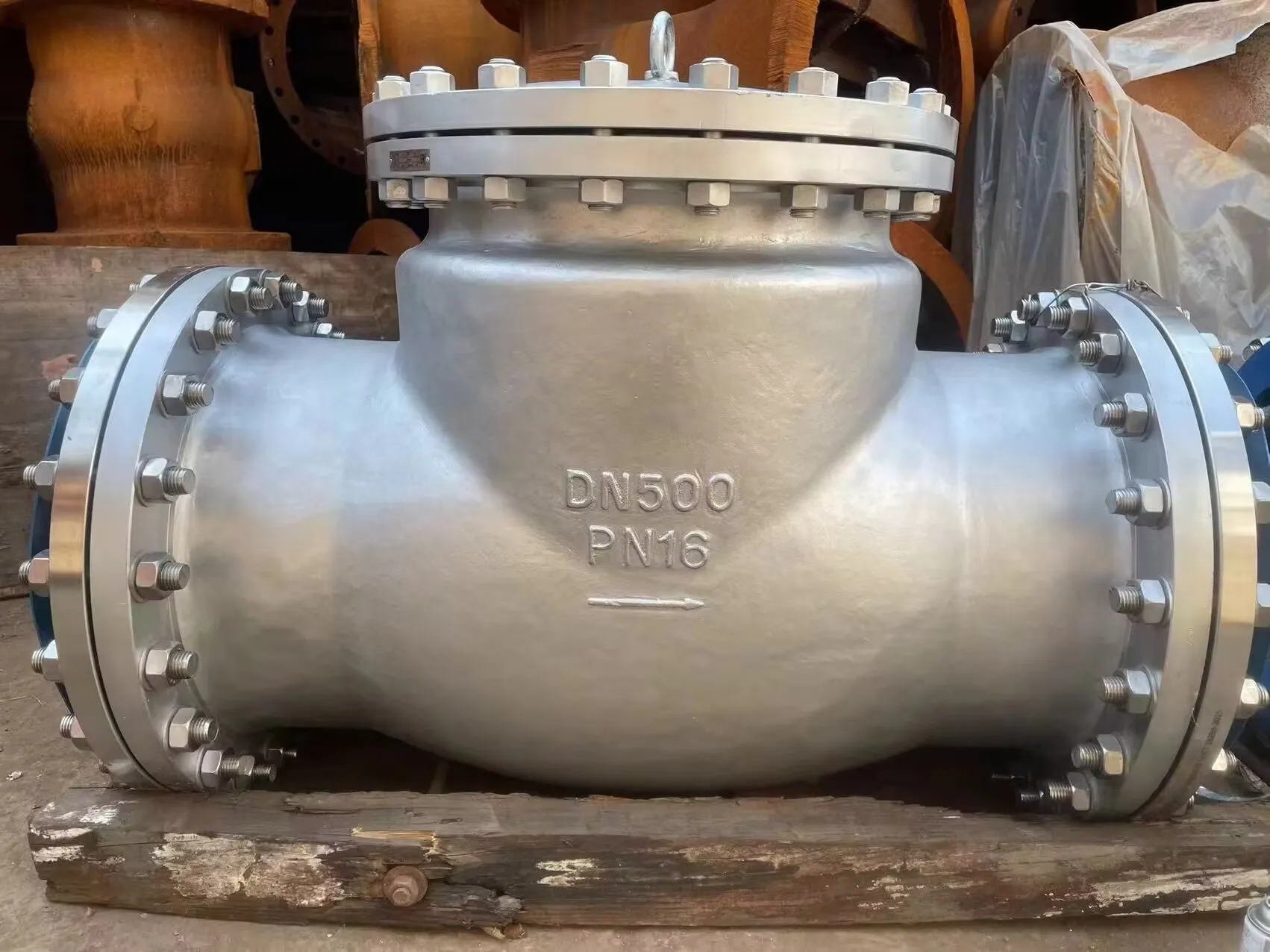
Performance & Engineering
The performance of a control needle valve is governed by fluid dynamics principles, specifically laminar and turbulent flow regimes. The valve's Cv (flow coefficient) characterizes its capacity to pass a given flow rate at a specific pressure drop. Force analysis focuses on the stem’s ability to withstand fluid pressure and external loads without deflection, influencing sealing integrity. Environmental resistance is assessed through temperature cycling tests, corrosion resistance studies (salt spray testing, immersion testing), and vibration testing to ensure reliable operation under harsh conditions. Compliance requirements vary by industry. For example, valves used in pharmaceutical applications must meet stringent sanitary standards (e.g., ASME BPE). Valves intended for hazardous locations must comply with ATEX or IECEx standards for explosion protection. Functional implementation relies on precise control signal input (typically 4-20mA or pneumatic). The valve’s actuator, whether manual, pneumatic, or electric, translates this signal into precise needle positioning. A key engineering consideration is hysteresis – the difference between the valve's position for a given input signal when approaching from higher and lower signal values. Minimizing hysteresis ensures accurate and repeatable flow control.
Technical Specifications
| Parameter | Unit | Typical Value (Stainless Steel 316) | Typical Value (Hastelloy C-276) |
|---|---|---|---|
| Maximum Pressure | psi | 1000 | 750 |
| Temperature Range | °F | -20 to 450 | -200 to 600 |
| Cv (Flow Coefficient) | gal/min/psi | 0.01 - 1.0 | 0.01 - 0.8 |
| Connection Type | - | NPT, BSPT, Socket Weld, Flange | NPT, BSPT, Socket Weld, Flange |
| Orifice Size | mm | 0.5 - 6.0 | 0.5 - 6.0 |
| Leak Rate | SCCM (air) | < 0.1 | < 0.05 |
Failure Mode & Maintenance
Common failure modes for control needle valves include seat erosion (due to abrasive particles in the fluid), needle scoring or galling (resulting from improper lubrication or excessive force), stem packing leakage (caused by degradation of packing material or loosening of the gland), and body corrosion (due to chemical attack). Fatigue cracking can occur in the stem under cyclical loading. Failure analysis often reveals that improper sizing, exceeding pressure/temperature limits, or inadequate filtration contribute to premature failure. Maintenance solutions include periodic inspection of the valve body for corrosion, replacement of the stem packing, cleaning or replacement of the needle and seat, and lubrication of the stem. Regular preventative maintenance, such as exercising the valve periodically, can prevent stiction and ensure smooth operation. In applications handling solids, installing a strainer upstream of the valve is crucial to protect the seat. For critical applications, consider utilizing a valve with a replaceable seat to minimize downtime. Detailed maintenance records should be kept to track repair history and identify recurring issues.
Industry FAQ
Q: What are the key considerations when selecting a needle valve for a highly corrosive fluid?
A: The primary considerations are material compatibility and seal selection. The valve body must be constructed from an alloy resistant to the specific corrosive agent (e.g., Hastelloy for sulfuric acid, Alloy 20 for hydrochloric acid). The seat material must also be chemically inert. PTFE is often used for general chemical resistance, but PEEK may be necessary for higher temperatures or specific chemicals. The stem packing material should also be compatible to prevent leakage.
Q: How does the orifice size affect the valve's performance?
A: The orifice size directly impacts the Cv value and the valve's ability to control flow. A smaller orifice provides finer control but results in a lower flow capacity and higher pressure drop. A larger orifice offers higher flow capacity but reduces precision. Correct orifice sizing is critical to match the valve’s capacity to the process requirements.
Q: What is the importance of hysteresis in a control valve?
A: Hysteresis represents the difference in valve position for the same input signal depending on whether the signal is increasing or decreasing. High hysteresis leads to imprecise flow control and oscillations in the process. Minimizing hysteresis improves the valve’s responsiveness and accuracy.
Q: What are the advantages of a metal-seated needle valve over a soft-seated valve?
A: Metal-seated valves offer superior temperature resistance and are better suited for abrasive fluids or applications requiring tight shut-off at high pressures. Soft-seated valves (e.g., PTFE) provide better leak tightness at lower pressures and temperatures, but are more susceptible to wear and deformation.
Q: How can I prevent needle galling in a high-viscosity fluid application?
A: Galling can be prevented by ensuring the needle is properly hardened, utilizing a low-friction coating (e.g., Teflon), providing adequate lubrication, and maintaining slow opening/closing speeds. Proper fluid filtration is also crucial to remove abrasive particles that can contribute to galling.
Conclusion
Control needle valves represent a vital component in precision fluid control systems, offering accurate and repeatable flow modulation capabilities. Their selection necessitates a thorough understanding of material science, fluid dynamics, and application-specific requirements. Addressing the core pain points of chemical compatibility, wear resistance, and tight shut-off through careful material selection, precise machining, and appropriate maintenance practices is crucial for ensuring long-term reliability and optimal performance.
Future advancements in control needle valve technology will likely focus on incorporating smart functionalities, such as integrated sensors for flow monitoring and predictive maintenance capabilities. Furthermore, the development of new materials with enhanced corrosion resistance and wear properties will continue to improve valve lifespan and reduce maintenance costs. The continued optimization of valve designs to minimize pressure drop and hysteresis will further enhance process control efficiency and accuracy.
-
Top Reasons to Choose a Stainless Steel Flange Check Valve for Industrial Applications
-
1 4 in check valve Performance Engineering
-
check valve 3 4 Performance Analysis
-
11 2 check valve Performance Analysis
-
spring check valve Material Science Manufacturing
-
DN100 Flange Performance Analysis
-
DN50 Flange Performance Analysis
-
double flanged butterfly valve Performance Analysis
-
forged flanges Performance Analysis
-
4 blind flange Performance Engineering
-
3 flanged ball valve Performance Analysis
-
2 threaded flange Performance Analysis
-
4 ball valve flanged Performance Analysis
-
90 degree flange elbow Performance Analysis
-
Custom Flanges Performance Analysis
 Afrikaans
 Albanian
 Amharic
 Arabic
 Armenian
 Azerbaijani
 Basque
 Belarusian
 Bengali
 Bosnian
 Bulgarian
 Catalan
 Cebuano
 Corsican
 Croatian
 Czech
Czech
 Danish
 Dutch
Dutch
 Esperanto
 Estonian
 Finnish
 French
 Frisian
 Galician
 Georgian
 German
 Greek
Greek
 Gujarati
 Haitian Creole
 Hausa
Hawaiian
Hausa
Hawaiian
 Hebrew
 Hindi
Hindi
 Miao
Miao
 Hungarian
 Icelandic
 Igbo
Igbo
 Indonesian
 Irish
Irish
 Italian
 Japanese
 Javanese
Kannada
Javanese
Kannada
 Kazakh
 Khmer
Khmer
 Rwandese
 Korean
 Kurdish
 Kyrgyz
 Lao
Lao
 Latin
Latin
 Latvian
 Lithuanian
 Luxembourgish
 Macedonian
 Malgashi
 Malay
Malay
 Malayalam
 Maltese
 Maori
Maori
 Marathi
 Mongolian
 Myanmar
 Nepali
 Norwegian
 Norwegian
 Occitan
 Pashto
 Persian
 Polish
 Portuguese
Punjabi
Portuguese
Punjabi
 Romanian
 Russian
 Samoan
 Scottish Gaelic
 Serbian
 Sesotho
 Shona
Shona
 Sindhi
 Sinhala
 Slovak
 Slovenian
 Somali
 Spanish
 Sundanese
 Swahili
 Swedish
Tagalog
Swedish
Tagalog
 Tajik
Tajik
 Tamil
Tamil
 Tatar
Tatar
 Telugu
 Thai
Thai
 Turkish
 Turkmen
 Ukrainian
 Urdu
Urdu
 Uighur
 Uzbek
Uzbek
 Vietnamese
 Welsh
Welsh
 Bantu
Bantu
 Yiddish
 Yoruba
 Zulu
Zulu
 English