




Elbow Fitting Pipe Performance Analysis
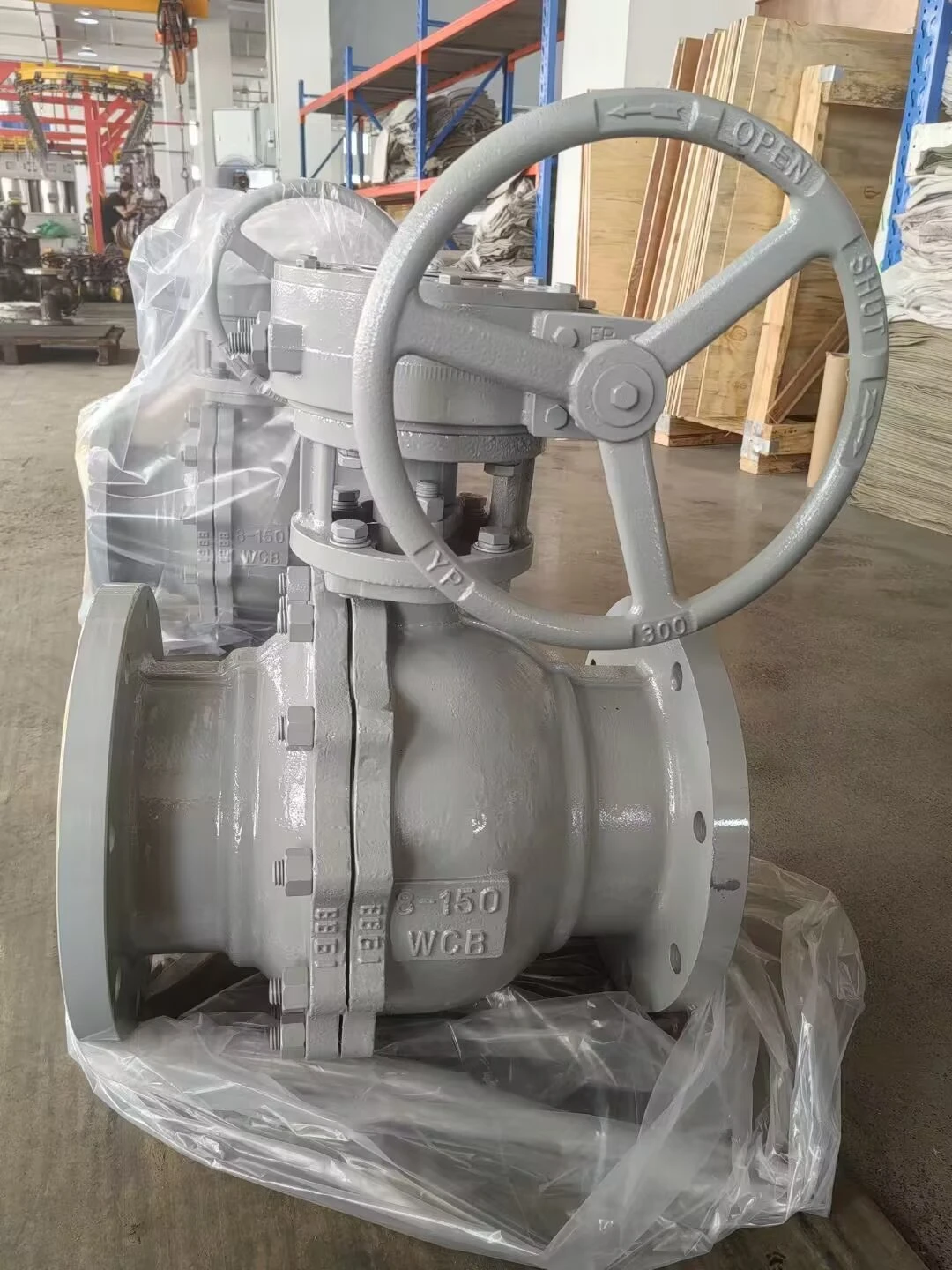
Introduction
Elbow fitting pipes are crucial components in piping systems, facilitating changes in direction for fluid or gas transport. Positioned within the industry chain between raw material production (steel, plastics, etc.) and final system installation, their performance directly impacts system efficiency, reliability, and safety. These fittings are categorized by their degree of bend (45°, 90°, etc.) and connection type (threaded, welded, socket-welded, flanged). Core performance characteristics include pressure rating, material compatibility, and resistance to corrosion. The selection of an appropriate elbow fitting is dictated by the operating conditions, fluid properties, and regulatory requirements of the specific application, addressing a primary pain point of ensuring long-term system integrity and minimizing costly failures. Improper elbow selection can lead to leaks, erosion, and catastrophic system failure.
Material Science & Manufacturing
Elbow fittings are manufactured from a diverse range of materials, each possessing unique physical and chemical properties. Carbon steel (ASTM A53, A105) is prevalent due to its strength and cost-effectiveness, but is susceptible to corrosion. Stainless steel (304, 316L) offers superior corrosion resistance, essential for handling aggressive fluids, but at a higher cost. Polyvinyl chloride (PVC) and Chlorinated Polyvinyl Chloride (CPVC) are commonly used in lower-pressure applications, valued for their chemical inertness and ease of installation. Polypropylene (PP) offers good chemical resistance and thermal stability. Manufacturing processes vary depending on the material and desired fitting type. Carbon and stainless steel elbows are commonly produced via hot forging, followed by machining to achieve precise dimensions and smooth internal surfaces. Welding is critical for structural integrity, requiring adherence to standards like AWS D1.1. Plastic elbows are typically manufactured using injection molding, where precise temperature and pressure control are vital to prevent warping or voids. Extrusion is used for larger diameter fittings. Post-processing steps, such as heat treatment (for steel) and annealing (for plastic), optimize material properties. Material selection must consider the fluid's chemical composition, temperature, and pressure to prevent galvanic corrosion or material degradation.

Performance & Engineering
The performance of elbow fittings is governed by several engineering principles. Stress concentration occurs at the bend, making it a critical area for failure analysis. Force analysis, utilizing Finite Element Analysis (FEA), is employed to optimize elbow geometry and minimize stress levels under various loading conditions. The bend radius directly influences pressure drop – a smaller radius increases turbulence and pressure loss. Wall thickness must be sufficient to withstand internal pressure, external loads, and cyclical stress. Environmental resistance is paramount. Exposure to corrosive fluids or harsh climates necessitates materials with appropriate corrosion allowances and protective coatings. Compliance with industry standards (ASME B31.3 for process piping, API 5L for pipelines) is crucial for ensuring safety and regulatory compliance. Fatigue analysis is critical for systems subjected to vibration or cyclical pressure variations. Furthermore, the thermal expansion coefficients of the elbow material and connected piping must be considered to prevent stress due to temperature fluctuations. Proper support and anchoring are essential to distribute loads and prevent undue stress on the elbow.
Technical Specifications
| Material | Pressure Rating (PSI) | Temperature Range (°C) | Connection Type |
|---|---|---|---|
| Carbon Steel (A53 Gr. B) | 720 | -30 to 370 | Welded, Threaded |
| Stainless Steel (304/304L) | 650 | -196 to 425 | Welded, Socket-Welded, Flanged |
| Stainless Steel (316/316L) | 650 | -200 to 450 | Welded, Socket-Welded, Flanged |
| PVC (Schedule 40) | 400 | 0 to 60 | Socket-Welded, Threaded |
| CPVC (Schedule 40) | 300 | 0 to 93 | Socket-Welded, Threaded |
| Polypropylene (PP) | 150 | -10 to 95 | Socket-Welded, Threaded |
Failure Mode & Maintenance
Elbow fittings are susceptible to various failure modes. Corrosion, particularly pitting corrosion in stainless steel due to chloride attack, is a common issue. Erosion, caused by abrasive particles in the fluid stream, can wear away the inner surface. Fatigue cracking can occur under cyclical loading, initiating at stress concentration points. Weld defects, such as porosity or incomplete fusion, can compromise structural integrity. For plastic elbows, degradation due to UV exposure or chemical attack can lead to embrittlement and failure. Leakage at threaded connections is often caused by improper sealant application or thread damage. Regular inspection is crucial. Visual inspection should check for signs of corrosion, erosion, cracks, or deformation. Non-destructive testing (NDT) methods, such as ultrasonic testing (UT) and radiographic testing (RT), can detect internal defects. Preventive maintenance includes applying protective coatings to steel elbows, ensuring proper grounding to mitigate galvanic corrosion, and replacing worn or damaged fittings. Threaded connections should be periodically tightened and sealant reapplied. Maintaining detailed records of inspections and maintenance activities is essential for tracking elbow performance and predicting potential failures.
Industry FAQ
Q: What is the primary difference between a long radius and short radius elbow, and how does this impact flow?
A: A long radius elbow has a larger bend radius compared to a short radius elbow. This results in reduced flow resistance and lower pressure drop in the long radius elbow due to a more gradual change in direction. Short radius elbows are more compact but introduce higher turbulence and energy loss. The selection depends on space constraints and allowable pressure drop.
Q: How do I select the appropriate elbow material for a system handling hydrochloric acid?
A: Hydrochloric acid is highly corrosive. Carbon steel is unsuitable. Stainless steel alloys like 316L offer better resistance, but even these can experience corrosion. High-alloy stainless steels (e.g., Alloy 20) or corrosion-resistant plastics such as PTFE-lined carbon steel are preferred. A materials compatibility chart should be consulted, and consideration given to acid concentration and temperature.
Q: What are the key considerations when welding stainless steel elbows?
A: Stainless steel requires specific welding procedures to maintain corrosion resistance. Use appropriate filler metals (matching the base metal’s alloy). Avoid overheating, which can cause sensitization and reduce corrosion resistance. Post-weld heat treatment may be necessary to restore ductility. Ensure thorough cleaning of the weld area to remove contaminants.
Q: How does temperature affect the pressure rating of plastic elbows?
A: The pressure rating of plastic elbows decreases with increasing temperature. Plastics become softer and less rigid at higher temperatures, reducing their ability to withstand pressure. Manufacturers provide derating factors that must be applied to the nominal pressure rating based on the operating temperature.
Q: What are the potential consequences of using an elbow with an insufficient wall thickness for a given application?
A: Using an elbow with insufficient wall thickness can lead to catastrophic failure. The elbow may buckle or rupture under internal pressure, resulting in leaks, system downtime, and potential safety hazards. The wall thickness must be calculated based on the operating pressure, fluid properties, and applicable codes and standards.
Conclusion
Elbow fitting pipes are integral to piping system functionality, demanding careful consideration of material science, manufacturing processes, and engineering principles. Proper selection, installation, and maintenance are crucial for ensuring long-term reliability and preventing costly failures. The choice of material, bend radius, and connection type are all interrelated, requiring a holistic approach informed by operating conditions and regulatory requirements.
Future advancements in elbow fitting technology will likely focus on developing new materials with enhanced corrosion resistance, optimizing geometries for reduced pressure drop, and implementing smart sensing technologies for real-time condition monitoring. Continued adherence to industry standards and best practices remains paramount for maintaining safety and maximizing system performance.
-
Top Reasons to Choose a Stainless Steel Flange Check Valve for Industrial Applications
-
check valve with orifice Performance Analysis
-
check valve 8 inch Performance Analysis
-
1 1 2 inch check valve Performance Analysis
-
cast iron check valves Performance Analysis
-
teejet check valves Performance Analysis
-
teejet check valve Performance Analysis
-
8 inch check valve Performance Analysis
-
wafer style check valves Performance Analysis
-
3 4 spring check valve Performance Analysis
-
butterfly check valves Performance Analysis
-
electric check valve Performance Engineering
-
electric check valves Performance Analysis
-
Threaded Check Valves Performance Analysis
-
6 inch check valve Performance Analysis
 Afrikaans
 Albanian
 Amharic
 Arabic
 Armenian
 Azerbaijani
 Basque
 Belarusian
 Bengali
 Bosnian
 Bulgarian
 Catalan
 Cebuano
 Corsican
 Croatian
 Czech
Czech
 Danish
 Dutch
Dutch
 Esperanto
 Estonian
 Finnish
 French
 Frisian
 Galician
 Georgian
 German
 Greek
Greek
 Gujarati
 Haitian Creole
 Hausa
Hawaiian
Hausa
Hawaiian
 Hebrew
 Hindi
Hindi
 Miao
Miao
 Hungarian
 Icelandic
 Igbo
Igbo
 Indonesian
 Irish
Irish
 Italian
 Japanese
 Javanese
Kannada
Javanese
Kannada
 Kazakh
 Khmer
Khmer
 Rwandese
 Korean
 Kurdish
 Kyrgyz
 Lao
Lao
 Latin
Latin
 Latvian
 Lithuanian
 Luxembourgish
 Macedonian
 Malgashi
 Malay
Malay
 Malayalam
 Maltese
 Maori
Maori
 Marathi
 Mongolian
 Myanmar
 Nepali
 Norwegian
 Norwegian
 Occitan
 Pashto
 Persian
 Polish
 Portuguese
Punjabi
Portuguese
Punjabi
 Romanian
 Russian
 Samoan
 Scottish Gaelic
 Serbian
 Sesotho
 Shona
Shona
 Sindhi
 Sinhala
 Slovak
 Slovenian
 Somali
 Spanish
 Sundanese
 Swahili
 Swedish
Tagalog
Swedish
Tagalog
 Tajik
Tajik
 Tamil
Tamil
 Tatar
Tatar
 Telugu
 Thai
Thai
 Turkish
 Turkmen
 Ukrainian
 Urdu
Urdu
 Uighur
 Uzbek
Uzbek
 Vietnamese
 Welsh
Welsh
 Bantu
Bantu
 Yiddish
 Yoruba
 Zulu
Zulu
 English