




ideal needle valve Performance Analysis
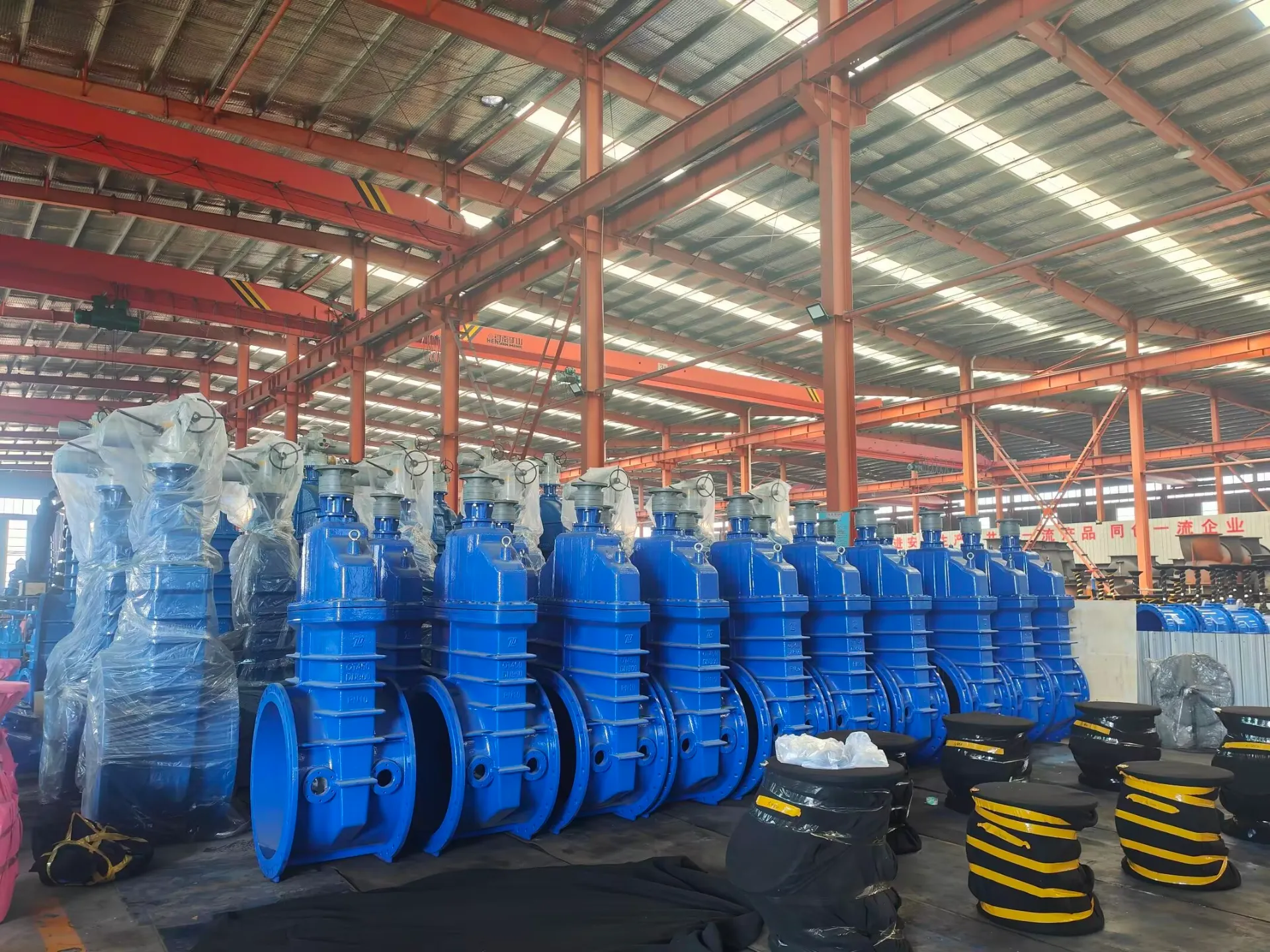
Introduction
Ideal needle valves are precision flow control devices designed to regulate the flow of liquids and gases in a wide range of industrial applications. Positioned within the broader valve industry as a specialized subset of quarter-turn valves, needle valves distinguish themselves through their capacity for precise, repeatable flow adjustments. Unlike ball or butterfly valves utilized for on/off or coarse flow control, needle valves employ a tapered pin (the “needle”) and a corresponding seat, allowing for fine manipulation of the flow path. Their applications span high-pressure systems, metering critical volumes of fluids, and regulating flow in analytical instrumentation. Core performance characteristics include high shut-off rates, precise throttling capabilities, and resistance to vibration due to the design’s inherent stability. The industry currently faces demands for increased precision, reduced leakage, and compatibility with aggressive process media, driving ongoing innovation in material selection and valve construction.
Material Science & Manufacturing
The performance and longevity of a needle valve are intimately tied to the materials used in its construction. Common body materials include 316/316L stainless steel, chosen for its corrosion resistance, particularly in applications involving harsh chemicals or saltwater. Other materials like Alloy 20, Monel, and Hastelloy are deployed for even more aggressive environments. The needle and seat, the critical flow control components, are frequently manufactured from hardened alloys such as 440C stainless steel or tungsten carbide, providing exceptional wear resistance. The sealing material is crucial; PTFE (Teflon) is a popular choice due to its chemical inertness and low friction coefficient, but PEEK (Polyether ether ketone) offers superior temperature resistance and mechanical strength.
Manufacturing processes vary depending on the valve’s size, pressure rating, and complexity. Body construction often involves investment casting or CNC machining from solid bar stock, ensuring dimensional accuracy. The needle and seat require precision grinding and lapping to achieve a leak-tight seal. Welding processes, such as TIG (Tungsten Inert Gas) welding, are frequently employed for joining components, demanding strict control of heat input and shielding gas to prevent oxidation and maintain material integrity. Parameter control during manufacturing is paramount: dimensional tolerances are typically within +/- 0.001 inches for critical components. Surface finish (Ra) is also closely monitored, with values often below 16 µin to minimize friction and ensure smooth operation. Non-destructive testing (NDT) methods like radiographic inspection and liquid penetrant testing are used to verify weld quality and identify any internal flaws.
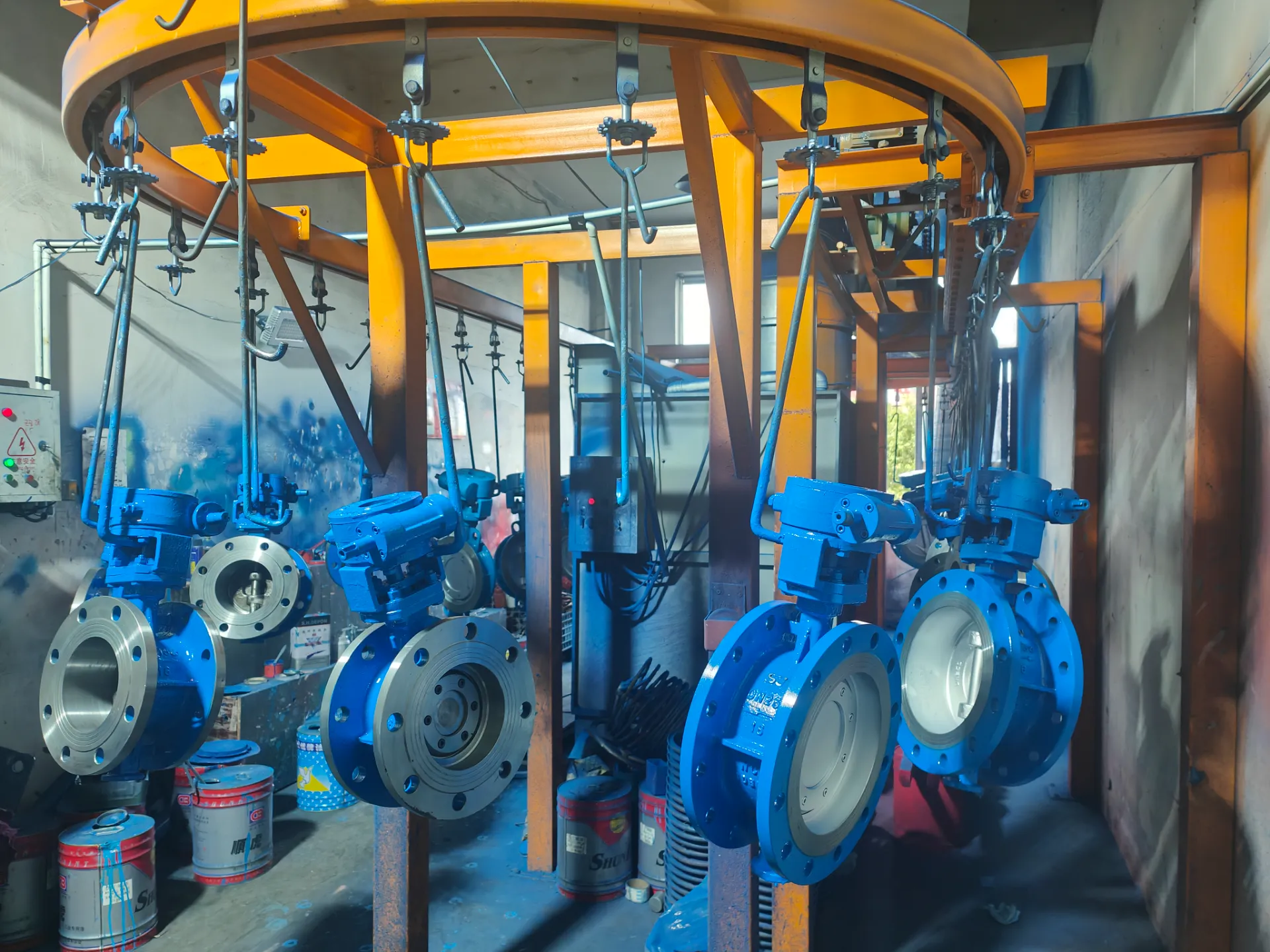
Performance & Engineering
The performance of an ideal needle valve is fundamentally governed by fluid dynamics and material mechanics. Flow coefficient (Cv) is a key parameter, representing the valve's capacity to pass a specific fluid at a given pressure drop. Cv values are determined through hydraulic testing and are critical for proper system sizing. The valve’s pressure-temperature rating dictates the maximum allowable operating conditions, determined by the weakest component within the assembly (typically the body or seals). Force analysis focuses on the stem’s resistance to bending and shear stress during operation, particularly when subjected to high fluid pressures or external loads.
Environmental resistance is a critical consideration. Valve materials must be compatible with the process fluid to prevent corrosion, erosion, and degradation. Temperature extremes can affect material properties, leading to thermal expansion/contraction and potentially compromising the seal. Compliance requirements, such as those outlined by NACE (National Association of Corrosion Engineers) for sour gas applications or FDA (Food and Drug Administration) for pharmaceutical processes, mandate specific material certifications and testing protocols. Functional implementation often involves careful selection of actuator types (manual, pneumatic, electric) based on application requirements. Pneumatic actuators offer remote control and automation capabilities, while electric actuators provide precise positioning and feedback. Leakage rates, typically measured in SCCM (Standard Cubic Centimeters per Minute), are critical for applications demanding high purity or environmental protection.
Technical Specifications
| Parameter | Unit | Typical Value (Stainless Steel, PTFE Seat) | Notes |
|---|---|---|---|
| Maximum Pressure | psi | 10,000 | Dependent on body material and size |
| Temperature Range | °F | -60 to 450 | Limited by seat material (PTFE) |
| Cv (Flow Coefficient) | gpm | 0.01 - 1.0 | Varies with valve size and needle position |
| Leakage Rate | SCCM | < 0.1 | At rated pressure and temperature |
| Connection Type | - | NPT, BSPT, Socket Weld, Butt Weld | Application specific |
| Body Material | - | 316/316L Stainless Steel | Other alloys available |
Failure Mode & Maintenance
Needle valves are susceptible to several failure modes. One common issue is seat erosion, caused by abrasive particles in the fluid stream or repeated throttling cycles. This leads to increased leakage and reduced flow control precision. Stem packing failure can result in external leakage, particularly at high pressures. Corrosion, particularly galvanic corrosion between dissimilar metals, can weaken the valve body and lead to catastrophic failure. Fatigue cracking can occur in the stem or body due to cyclic loading and stress concentration. Oxidation of internal components at high temperatures can also compromise performance.
Preventative maintenance is critical for ensuring long-term reliability. Regular inspection of the valve body, stem, and seat for signs of corrosion, erosion, or cracking is essential. Periodic replacement of stem packing is recommended to prevent leakage. Back flushing the valve to remove debris can mitigate seat erosion. Lubrication of the stem threads with a compatible lubricant reduces friction and prevents galling. In the event of a failure, a thorough failure analysis should be conducted to identify the root cause and implement corrective actions. This may involve metallurgical analysis of fractured components or chemical analysis of process fluids. Proper storage of spare parts is also important to minimize downtime.
Industry FAQ
Q: What is the primary advantage of a needle valve over a ball valve for precise flow control?
A: Ball valves are designed for on/off service or coarse flow adjustment. Their large flow path and quick opening/closing action make them unsuitable for precise throttling. Needle valves, with their tapered needle and seat, offer a much finer degree of control, allowing for repeatable and accurate flow regulation. This is crucial in applications where specific flow rates are required.
Q: How does material selection impact the longevity of a needle valve in a corrosive environment?
A: Material selection is paramount. Using a valve constructed from materials incompatible with the process fluid will lead to corrosion, erosion, and ultimately, failure. Stainless steel alloys (316/316L) offer good general corrosion resistance, but more aggressive environments may require specialized materials like Alloy 20, Monel, or Hastelloy. The seat material must also be chemically compatible.
Q: What are the key considerations when specifying a needle valve for high-pressure applications?
A: High-pressure applications necessitate robust valve construction. The body material must have a high tensile strength and yield strength. The stem must be adequately sized to prevent bending or buckling under load. The seat must be capable of maintaining a leak-tight seal at the maximum operating pressure. Pressure testing and certification are crucial to verify the valve's performance and safety.
Q: What are the limitations of PTFE seats in needle valves, and what alternatives are available?
A: PTFE seats have excellent chemical inertness and low friction, but their temperature range is limited (typically -60°F to 450°F). At higher temperatures, PTFE can creep and lose its sealing properties. Alternatives include PEEK, which offers superior temperature resistance and mechanical strength, and metal seats (e.g., stainless steel) for extremely high-temperature or high-pressure applications.
Q: How can I minimize the risk of seat erosion in a needle valve handling fluids with particulate matter?
A: Implementing upstream filtration is the most effective method. A properly sized filter will remove abrasive particles before they enter the valve. Additionally, minimizing throttling cycles and selecting a valve with a hardened seat material (e.g., tungsten carbide) can help extend the valve’s lifespan. Regular inspection and replacement of the seat are also recommended.
Conclusion
The ideal needle valve stands as a critical component in numerous industrial processes demanding precise fluid control. Its functionality is fundamentally reliant upon a synergistic interplay between material science, meticulous manufacturing processes, and a thorough understanding of fluid dynamics. The selection of appropriate materials – ranging from corrosion-resistant stainless steels to specialized alloys and durable seat materials – is paramount to ensuring longevity and reliable performance within challenging operational environments.
Looking forward, advancements in needle valve technology will likely focus on enhanced sealing materials capable of withstanding increasingly extreme conditions, smart valve designs incorporating digital feedback and automated control, and improved manufacturing techniques enabling tighter tolerances and superior surface finishes. Maintaining a proactive approach to preventative maintenance and a comprehensive understanding of potential failure modes will remain essential for maximizing the lifespan and operational efficiency of these vital flow control devices.
-
Top Reasons to Choose a Stainless Steel Flange Check Valve for Industrial Applications
-
1 4 in check valve Performance Engineering
-
check valve 3 4 Performance Analysis
-
11 2 check valve Performance Analysis
-
spring check valve Material Science Manufacturing
-
DN100 Flange Performance Analysis
-
DN50 Flange Performance Analysis
-
double flanged butterfly valve Performance Analysis
-
forged flanges Performance Analysis
-
4 blind flange Performance Engineering
-
3 flanged ball valve Performance Analysis
-
2 threaded flange Performance Analysis
-
4 ball valve flanged Performance Analysis
-
90 degree flange elbow Performance Analysis
-
Custom Flanges Performance Analysis
 Afrikaans
 Albanian
 Amharic
 Arabic
 Armenian
 Azerbaijani
 Basque
 Belarusian
 Bengali
 Bosnian
 Bulgarian
 Catalan
 Cebuano
 Corsican
 Croatian
 Czech
Czech
 Danish
 Dutch
Dutch
 Esperanto
 Estonian
 Finnish
 French
 Frisian
 Galician
 Georgian
 German
 Greek
Greek
 Gujarati
 Haitian Creole
 Hausa
Hawaiian
Hausa
Hawaiian
 Hebrew
 Hindi
Hindi
 Miao
Miao
 Hungarian
 Icelandic
 Igbo
Igbo
 Indonesian
 Irish
Irish
 Italian
 Japanese
 Javanese
Kannada
Javanese
Kannada
 Kazakh
 Khmer
Khmer
 Rwandese
 Korean
 Kurdish
 Kyrgyz
 Lao
Lao
 Latin
Latin
 Latvian
 Lithuanian
 Luxembourgish
 Macedonian
 Malgashi
 Malay
Malay
 Malayalam
 Maltese
 Maori
Maori
 Marathi
 Mongolian
 Myanmar
 Nepali
 Norwegian
 Norwegian
 Occitan
 Pashto
 Persian
 Polish
 Portuguese
Punjabi
Portuguese
Punjabi
 Romanian
 Russian
 Samoan
 Scottish Gaelic
 Serbian
 Sesotho
 Shona
Shona
 Sindhi
 Sinhala
 Slovak
 Slovenian
 Somali
 Spanish
 Sundanese
 Swahili
 Swedish
Tagalog
Swedish
Tagalog
 Tajik
Tajik
 Tamil
Tamil
 Tatar
Tatar
 Telugu
 Thai
Thai
 Turkish
 Turkmen
 Ukrainian
 Urdu
Urdu
 Uighur
 Uzbek
Uzbek
 Vietnamese
 Welsh
Welsh
 Bantu
Bantu
 Yiddish
 Yoruba
 Zulu
Zulu
 English