




low pressure needle valve Performance Analysis
Introduction
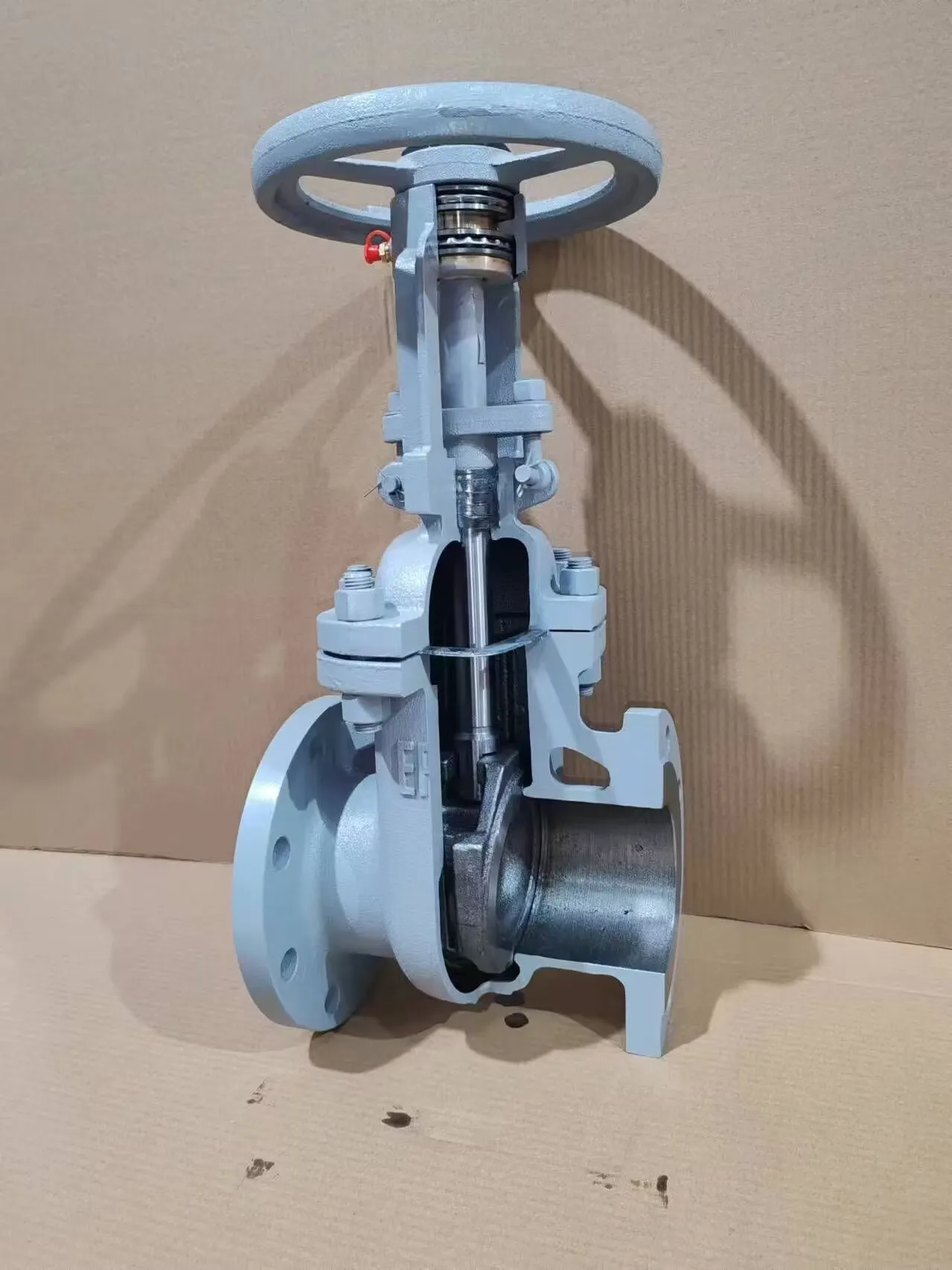
Low pressure needle valves are precision fluid control devices utilized across a spectrum of industrial applications, primarily characterized by their ability to accurately regulate flow rates in low-pressure systems. Positioned within the broader valve industry, they serve as critical components in process control, instrumentation, and analytical systems where precise metering is paramount. Unlike gate valves designed for on/off service or globe valves optimized for throttling at higher pressures, needle valves employ a tapered needle and seat geometry to achieve fine control even with viscous fluids or gases at low pressures – typically ranging from vacuum to 60 psi. Core performance characteristics include high resolution, leak-tight shutoff, and repeatable flow control, making them essential in applications such as gas chromatography, pilot plant operations, and hydraulic test stands. Their design minimizes pressure drop, crucial when dealing with sensitive processes or limited power sources. This guide provides an in-depth exploration of the material science, manufacturing processes, performance parameters, failure modes, and relevant standards governing low-pressure needle valves.
Material Science & Manufacturing
The selection of materials for low-pressure needle valves is dictated by fluid compatibility, operating temperature, and pressure requirements. Common body materials include 316/316L stainless steel for corrosion resistance, brass for non-corrosive applications, and polymer materials like PTFE or PEEK for highly aggressive chemicals. The needle and seat are typically manufactured from hardened stainless steel (e.g., 440C) to provide a durable sealing surface and resist wear. Manufacturing processes vary depending on the valve size and complexity. Small valves are often produced via Swiss-type turning, allowing for high precision and tight tolerances on the needle and seat. Larger valves employ CNC machining of bar stock. A critical step is lapping and polishing the needle and seat to achieve a leak-tight seal. This process utilizes abrasive compounds and precise control of pressure and motion to create a smooth, conforming surface. The stem threading is a crucial manufacturing parameter; trapezoidal threads are common, providing high accuracy and minimal backlash. Quality control involves rigorous testing for pressure drop, leak rate (using helium leak testing), and flow coefficient (Cv). Key parameter control during manufacturing includes maintaining concentricity between the stem and bore, ensuring the correct taper angle on the needle, and verifying the surface finish of the sealing surfaces. Material certifications (e.g., 3.1 material certificates) are standard practice to ensure traceability and compliance with specifications. Furthermore, passivation treatments are often applied to stainless steel components to enhance corrosion resistance.
Performance & Engineering
The performance of low-pressure needle valves is fundamentally governed by fluid dynamics and sealing mechanics. Flow through a needle valve is characterized by laminar flow at lower velocities and turbulent flow at higher velocities. The flow coefficient (Cv) is a critical parameter, quantifying the valve’s capacity to pass a specific fluid at a given pressure drop. The relationship between flow rate, pressure drop, and valve opening is non-linear, necessitating precise calibration. Force analysis focuses on the stem thrust required to overcome fluid forces and maintain the needle position. The stem must be adequately sized to prevent bending or buckling under load. Environmental resistance is assessed through temperature cycling, humidity testing, and exposure to corrosive media. Compliance requirements vary depending on the application; valves used in pharmaceutical or food processing must meet sanitary standards (e.g., 3-A Sanitary Standards). Functional implementation relies on the precise machining of the needle and seat to ensure a bubble-tight shutoff. The taper angle of the needle and seat is optimized to balance flow control sensitivity with sealing performance. Stem seals play a vital role in preventing leakage; common seal materials include PTFE, Viton, and Kalrez, selected based on fluid compatibility and temperature range. The valve body design minimizes dead volume, crucial in analytical applications where sample retention can affect accuracy. Moreover, consideration must be given to thermal expansion and contraction of the valve components, especially in applications with large temperature fluctuations.
Technical Specifications
| Parameter | Units | Typical Value (Stainless Steel Valve) | Typical Value (Brass Valve) |
|---|---|---|---|
| Maximum Pressure | psi | 60 | 40 |
| Temperature Range | °F | -40 to 400 | -20 to 250 |
| Cv (Flow Coefficient) - Water | gpm | 0.01 - 0.5 | 0.02 - 0.7 |
| Leak Rate (Helium) | sccm | <1 | <2 |
| Connection Type | - | 1/8" NPT, 1/4" NPT | 1/8" NPT, 1/4" NPT |
| Body Material | - | 316/316L Stainless Steel | Brass (C36000) |
Failure Mode & Maintenance
Low-pressure needle valves can experience several failure modes. Fatigue cracking of the stem, particularly near the thread, can occur due to repeated cycling. Delamination of the seat insert, especially in polymer-seated valves, can lead to leakage. Erosion of the needle and seat, caused by abrasive particles in the fluid stream, is a common failure mechanism. Oxidation of stainless steel components at high temperatures can reduce corrosion resistance. Internal corrosion due to incompatible fluids can damage the valve body and internal components. External leakage can arise from degradation of the stem seals. Maintenance typically involves periodic inspection of the stem packing and replacement if necessary. Regular cleaning of the valve body and internal components prevents buildup of debris. If leakage persists, the needle and seat may require lapping or replacement. A preventative maintenance schedule should include lubrication of the stem threads (using a compatible lubricant) and torque checks on the stem nut. Failure analysis should focus on identifying the root cause of the failure (e.g., corrosion, erosion, fatigue) to prevent recurrence. In cases of severe corrosion, consider upgrading to a more corrosion-resistant material (e.g., Hastelloy). When disassembling the valve, exercise caution to avoid damaging the delicate needle and seat surfaces. Proper storage in a clean, dry environment prevents corrosion and contamination.
Industry FAQ
Q: What is the primary difference between a needle valve and a ball valve for low-pressure applications?
A: Ball valves excel in on/off service with minimal pressure drop, but offer limited throttling capability. Needle valves, while introducing a slightly higher pressure drop, provide precise and repeatable flow control, essential for applications demanding accurate metering, even at very low flow rates. Needle valves’ tapered design enables finer adjustments than a ball valve.
Q: How does fluid viscosity affect the performance of a low-pressure needle valve?
A: Higher viscosity fluids require greater force to move through the valve, resulting in increased pressure drop and reduced flow rate. The Cv value will decrease with increasing viscosity. Selecting a valve with a larger flow passage is recommended for viscous fluids.
Q: What material is best suited for a needle valve handling highly corrosive chemicals?
A: For highly corrosive environments, materials like PTFE, PEEK, Hastelloy, or Monel are recommended for both the valve body and internal components. The specific material choice depends on the chemical being handled and the operating temperature.
Q: How can I minimize leakage in a low-pressure needle valve?
A: Ensuring the needle and seat are properly lapped and polished is crucial. Maintaining appropriate stem packing pressure and selecting a compatible stem seal material are also essential. Regular inspection and replacement of worn seals prevent leakage.
Q: What is the impact of particle contamination on needle valve performance and longevity?
A: Particle contamination can cause erosion of the needle and seat, leading to leakage and reduced performance. Implementing inline filters upstream of the valve is highly recommended to remove particulate matter and extend valve life. Regular cleaning of the valve can also mitigate the effects of contamination.
Conclusion
Low-pressure needle valves are indispensable components in applications requiring precise fluid control. Their performance is intricately linked to material selection, manufacturing precision, and understanding of fluid dynamics. Careful consideration of these factors ensures reliable operation and prolonged service life. Achieving optimal performance hinges on selecting the appropriate materials for the specific fluid and operating conditions, followed by stringent quality control during manufacturing to guarantee a leak-tight seal and accurate flow regulation.
Future advancements in needle valve technology will likely focus on the development of novel sealing materials, improved stem designs to reduce friction, and integrated sensors for real-time flow monitoring. Furthermore, the increasing demand for miniaturization will drive innovation in micro-needle valve designs. Addressing the challenges of particle contamination and corrosion through advanced surface treatments and material selection will remain critical areas of development.
-
Top Reasons to Choose a Stainless Steel Flange Check Valve for Industrial Applications
-
DN50 Flange Performance Analysis
-
double flanged butterfly valve Performance Analysis
-
forged flanges Performance Analysis
-
4 blind flange Performance Engineering
-
3 flanged ball valve Performance Analysis
-
2 threaded flange Performance Analysis
-
4 ball valve flanged Performance Analysis
-
90 degree flange elbow Performance Analysis
-
Custom Flanges Performance Analysis
-
DN40 Flange Performance Analysis
-
double flange butterfly valve Performance Analysis
-
Double Flanged Couplings Performance Analysis
-
double flanged butterfly valves Material Science
-
forged flange Performance Analysis
 Afrikaans
 Albanian
 Amharic
 Arabic
 Armenian
 Azerbaijani
 Basque
 Belarusian
 Bengali
 Bosnian
 Bulgarian
 Catalan
 Cebuano
 Corsican
 Croatian
 Czech
Czech
 Danish
 Dutch
Dutch
 Esperanto
 Estonian
 Finnish
 French
 Frisian
 Galician
 Georgian
 German
 Greek
Greek
 Gujarati
 Haitian Creole
 Hausa
Hawaiian
Hausa
Hawaiian
 Hebrew
 Hindi
Hindi
 Miao
Miao
 Hungarian
 Icelandic
 Igbo
Igbo
 Indonesian
 Irish
Irish
 Italian
 Japanese
 Javanese
Kannada
Javanese
Kannada
 Kazakh
 Khmer
Khmer
 Rwandese
 Korean
 Kurdish
 Kyrgyz
 Lao
Lao
 Latin
Latin
 Latvian
 Lithuanian
 Luxembourgish
 Macedonian
 Malgashi
 Malay
Malay
 Malayalam
 Maltese
 Maori
Maori
 Marathi
 Mongolian
 Myanmar
 Nepali
 Norwegian
 Norwegian
 Occitan
 Pashto
 Persian
 Polish
 Portuguese
Punjabi
Portuguese
Punjabi
 Romanian
 Russian
 Samoan
 Scottish Gaelic
 Serbian
 Sesotho
 Shona
Shona
 Sindhi
 Sinhala
 Slovak
 Slovenian
 Somali
 Spanish
 Sundanese
 Swahili
 Swedish
Tagalog
Swedish
Tagalog
 Tajik
Tajik
 Tamil
Tamil
 Tatar
Tatar
 Telugu
 Thai
Thai
 Turkish
 Turkmen
 Ukrainian
 Urdu
Urdu
 Uighur
 Uzbek
Uzbek
 Vietnamese
 Welsh
Welsh
 Bantu
Bantu
 Yiddish
 Yoruba
 Zulu
Zulu
 English