




back pressure control valve Performance Engineering
Introduction
Back pressure control valves (BPCVs) are critical components in numerous industrial processes, primarily utilized to maintain a desired upstream pressure within a system. Unlike pressure relief valves, which respond to overpressure conditions, BPCVs actively regulate pressure by restricting flow. Their technical position within the process chain is typically downstream of a process, pump, or reactor, serving to stabilize conditions and prevent process upset. BPCVs are distinct from simple throttling valves in that they employ a self-regulating mechanism, usually a pilot operated design, providing more stable pressure control with minimal manual adjustment. Core performance characteristics include accurate pressure regulation, high flow capacity, consistent responsiveness, and the ability to handle varying inlet pressure conditions. Failure to maintain accurate back pressure can lead to process inefficiencies, product quality issues, and even safety hazards in applications such as chemical injection, polymerization, and filtration.
Material Science & Manufacturing
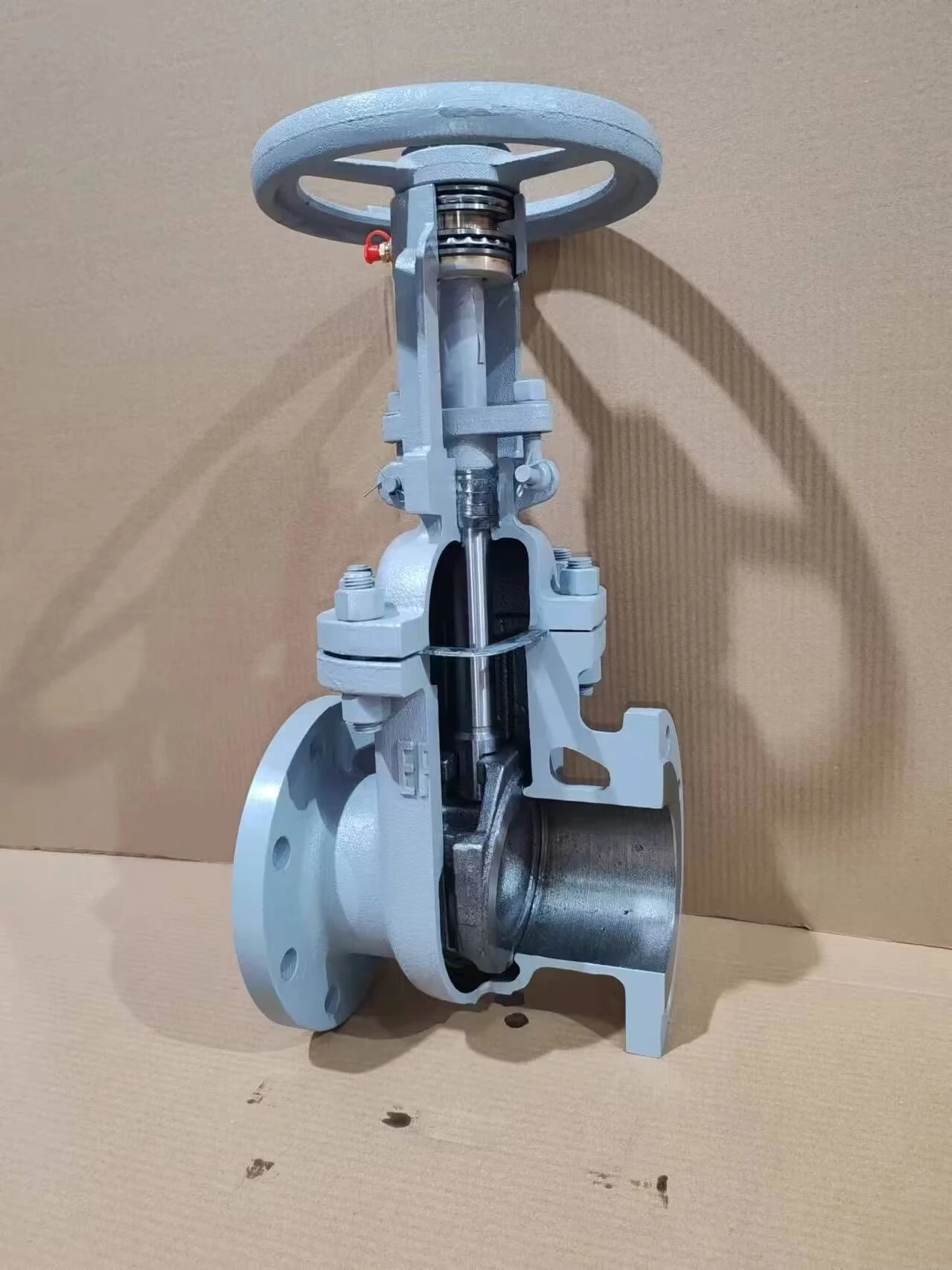
The construction of a BPCV necessitates careful material selection based on the process fluid and operating conditions. Valve bodies are commonly manufactured from carbon steel (ASTM A105, A350), stainless steel (304, 316, duplex stainless steels), or alloy steels (Inconel, Hastelloy) for enhanced corrosion resistance. Diaphragm materials, critical for pilot-operated designs, typically comprise PTFE, EPDM, or Viton, selected for chemical compatibility and flexibility. Trim materials – including seats, discs, and stems – frequently utilize hardened alloys like 410 stainless steel or Stellite to resist erosion and wear. Manufacturing processes vary depending on the valve size and complexity. Large valve bodies are often cast or forged, followed by precision machining. Smaller components are typically produced through investment casting or CNC machining. Welding is a critical joining process, requiring qualified welders and adherence to standards like ASME Section IX to ensure structural integrity. Pilot-operated BPCVs involve the assembly of numerous small components, necessitating tight tolerances and quality control throughout the manufacturing process. Key parameter control focuses on maintaining dimensional accuracy of critical flow paths, ensuring proper diaphragm sealing, and verifying the correct spring rate for the pilot mechanism. Surface finishing is also important; electropolishing stainless steel components minimizes surface roughness and improves corrosion resistance.
Performance & Engineering
Performance of a BPCV hinges on maintaining a stable outlet pressure despite fluctuations in inlet pressure or downstream flow demand. Force analysis considers the opposing forces acting on the valve's regulating element: the force exerted by the process fluid, the spring force in the pilot mechanism, and any external forces. The valve's control loop must be tuned to damp oscillations and achieve a desired response time. Environmental resistance is a crucial design consideration. Valves operating in harsh environments – extreme temperatures, corrosive atmospheres, or outdoor exposure – require robust materials and protective coatings. Compliance requirements depend on the specific application. Valves used in the oil and gas industry must adhere to API 6A and API 598 standards. Those used in sanitary applications, such as food and beverage processing, must comply with 3-A Sanitary Standards. Functional implementation relies on the precise operation of the pilot system. Pilot valves typically utilize a nozzle and flapper arrangement or a bellows-operated sensing element to detect downstream pressure. The sensed pressure signal actuates a spool valve, which controls the flow of fluid to the main valve actuator, thereby modulating the valve opening and maintaining the desired back pressure. Cavitation can occur if the pressure drop across the valve is excessive. Proper valve sizing and careful design of the flow path are critical to prevent cavitation, which can cause erosion and noise.
Technical Specifications
| Parameter | Unit | Typical Value | Standard Compliance |
|---|---|---|---|
| Maximum Inlet Pressure | psi | Up to 5000 | ASME B16.34 |
| Outlet Pressure Range | psi | 10-3000 (adjustable) | N/A |
| Flow Coefficient (Cv) | gpm | 1-500 | ISA 75.01.01 |
| Temperature Range | °F | -20 to 450 | ASTM E203 |
| Body Material | - | 316 Stainless Steel | ASTM A240 |
| Diaphragm Material | - | PTFE | ASTM D1710 |
Failure Mode & Maintenance
BPCVs can fail due to several mechanisms. Fatigue cracking can occur in the valve body or diaphragm due to repeated pressure cycles. Delamination of the diaphragm material can lead to loss of pressure control. Degradation of elastomeric seals (O-rings, gaskets) results in leakage. Oxidation of metal components accelerates corrosion. Erosion of the valve trim, particularly in abrasive fluid services, alters the flow characteristics. A common failure mode in pilot-operated valves is clogging of the small orifices within the pilot system, hindering responsiveness. Maintenance involves periodic inspection of the diaphragm, seals, and trim for wear or damage. Regular cleaning of the pilot system is essential to remove debris. Lubrication of moving parts minimizes friction and prevents seizing. Calibration of the pilot spring ensures accurate pressure setting. Preventive maintenance schedules should be based on the severity of the operating conditions and the criticality of the application. When replacing components, it is vital to use compatible materials and follow manufacturer's recommendations. Failure analysis should be conducted on any failed components to identify the root cause and prevent recurrence. For example, if diaphragm failure is recurring, review chemical compatibility or operating temperature. If erosion is evident, consider using a harder trim material.
Industry FAQ
Q: What is the primary difference between a back pressure control valve and a pressure reducing valve?
A: While both regulate pressure, a back pressure control valve maintains a specific upstream pressure, reacting to changes in downstream demand. A pressure reducing valve, conversely, reduces a higher inlet pressure to a lower, constant outlet pressure, independent of downstream flow. BPCVs are typically used to protect sensitive equipment, while PRVs are used to provide a constant pressure supply.
Q: How do I size a back pressure control valve for my application?
A: Sizing requires knowing the maximum and minimum inlet pressures, the desired outlet pressure, the flow rate, and the fluid properties. The valve’s Cv (flow coefficient) must be calculated to handle the maximum flow rate at the specified pressure drop. Undersizing will cause excessive pressure drop and potential cavitation, while oversizing can lead to instability. Consulting manufacturer’s sizing software or seeking assistance from a valve specialist is recommended.
Q: What materials should I specify for a BPCV handling hydrochloric acid?
A: Hydrochloric acid is highly corrosive. The valve body should be constructed from a highly alloyed material such as Hastelloy C-276 or a lined carbon steel with a PTFE or PFA lining. The diaphragm should be made from PTFE. All wetted parts must be resistant to chloride stress corrosion cracking. The choice of fasteners should also be carefully considered to prevent galvanic corrosion.
Q: How can I troubleshoot a BPCV that is oscillating or “hunting” for the setpoint?
A: Oscillation often indicates improper tuning of the pilot system. Check the pilot spring setting and adjust the gain if possible. Ensure there are no air bubbles trapped in the pilot lines. Verify that the sensing line is free from obstructions and is correctly connected. If the oscillation persists, the valve may be undersized or experiencing excessive turbulence.
Q: What is the role of a snubbing device on a BPCV used with a delicate analytical instrument?
A: A snubbing device (or pulsation dampener) is installed upstream of the BPCV to mitigate pressure spikes and pulsations that could damage sensitive instruments. It provides a small volume of fluid to absorb pressure surges, ensuring a smooth and stable pressure supply to the analytical equipment. The size of the snubber is critical and must be appropriately sized for the frequency and amplitude of the pulsations.
Conclusion
Back pressure control valves are essential components in maintaining process stability and ensuring product quality across diverse industrial applications. Their effective operation relies on a complex interplay of material science, precision manufacturing, and careful engineering design. Understanding the potential failure modes and implementing proactive maintenance strategies are critical for maximizing valve lifespan and minimizing downtime.
Future developments in BPCV technology are likely to focus on smart valve designs incorporating digital communication and advanced control algorithms. These “intelligent” valves will enable remote monitoring, predictive maintenance, and optimized process control, further enhancing efficiency and reliability. Selection of the appropriate BPCV requires a thorough understanding of the application's specific requirements and adherence to relevant industry standards.
-
Top Reasons to Choose a Stainless Steel Flange Check Valve for Industrial Applications
-
check valve with orifice Performance Analysis
-
check valve 8 inch Performance Analysis
-
1 1 2 inch check valve Performance Analysis
-
cast iron check valves Performance Analysis
-
teejet check valves Performance Analysis
-
teejet check valve Performance Analysis
-
8 inch check valve Performance Analysis
-
wafer style check valves Performance Analysis
-
3 4 spring check valve Performance Analysis
-
butterfly check valves Performance Analysis
-
electric check valve Performance Engineering
-
electric check valves Performance Analysis
-
Threaded Check Valves Performance Analysis
-
6 inch check valve Performance Analysis
 Afrikaans
 Albanian
 Amharic
 Arabic
 Armenian
 Azerbaijani
 Basque
 Belarusian
 Bengali
 Bosnian
 Bulgarian
 Catalan
 Cebuano
 Corsican
 Croatian
 Czech
Czech
 Danish
 Dutch
Dutch
 Esperanto
 Estonian
 Finnish
 French
 Frisian
 Galician
 Georgian
 German
 Greek
Greek
 Gujarati
 Haitian Creole
 Hausa
Hawaiian
Hausa
Hawaiian
 Hebrew
 Hindi
Hindi
 Miao
Miao
 Hungarian
 Icelandic
 Igbo
Igbo
 Indonesian
 Irish
Irish
 Italian
 Japanese
 Javanese
Kannada
Javanese
Kannada
 Kazakh
 Khmer
Khmer
 Rwandese
 Korean
 Kurdish
 Kyrgyz
 Lao
Lao
 Latin
Latin
 Latvian
 Lithuanian
 Luxembourgish
 Macedonian
 Malgashi
 Malay
Malay
 Malayalam
 Maltese
 Maori
Maori
 Marathi
 Mongolian
 Myanmar
 Nepali
 Norwegian
 Norwegian
 Occitan
 Pashto
 Persian
 Polish
 Portuguese
Punjabi
Portuguese
Punjabi
 Romanian
 Russian
 Samoan
 Scottish Gaelic
 Serbian
 Sesotho
 Shona
Shona
 Sindhi
 Sinhala
 Slovak
 Slovenian
 Somali
 Spanish
 Sundanese
 Swahili
 Swedish
Tagalog
Swedish
Tagalog
 Tajik
Tajik
 Tamil
Tamil
 Tatar
Tatar
 Telugu
 Thai
Thai
 Turkish
 Turkmen
 Ukrainian
 Urdu
Urdu
 Uighur
 Uzbek
Uzbek
 Vietnamese
 Welsh
Welsh
 Bantu
Bantu
 Yiddish
 Yoruba
 Zulu
Zulu
 English