




brass needle valve Performance Analysis
Introduction
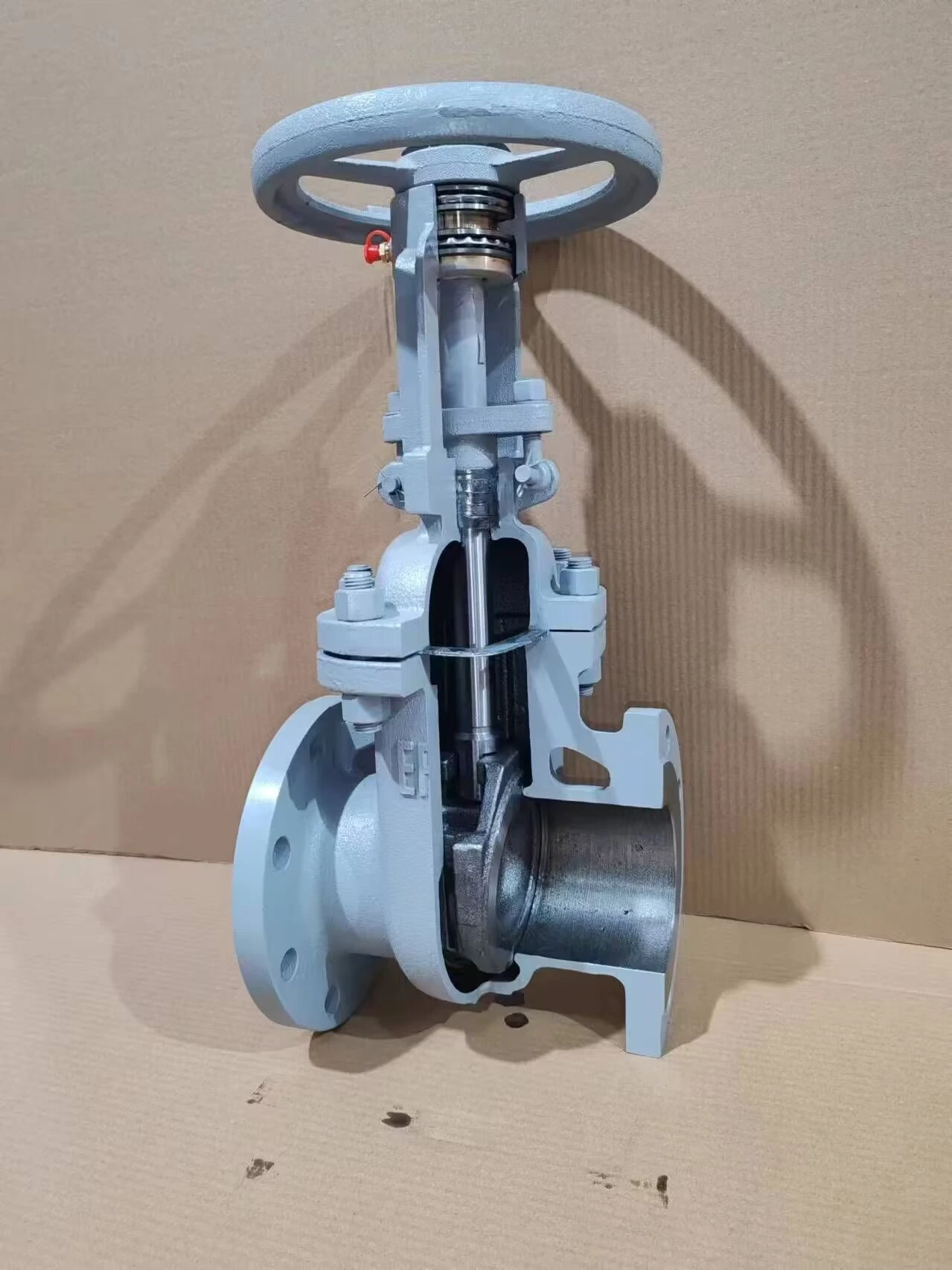
Brass needle valves are precision fluid control devices utilized extensively across numerous industrial applications, including instrumentation, chemical processing, and hydraulic systems. Positioned within the broader valve family – specifically as a subtype of globe valve – they excel at accurately regulating flow rates, even with viscous fluids or in applications demanding fine adjustment. Unlike other valve types, needle valves utilize a tapered or contoured plunger (the ‘needle’) that moves perpendicularly to the flow path, creating a variable orifice size. Their core performance characteristics revolve around precise flow control, leak-tight shutoff, and resistance to corrosion inherent in the brass construction. The primary industry pain point addressed by needle valves is the need for consistent and reliable metering in critical processes where even minor flow variations can impact product quality, safety, or efficiency. This guide provides a comprehensive technical overview of brass needle valves, encompassing material science, manufacturing processes, performance parameters, failure modes, and relevant industry standards.
Material Science & Manufacturing
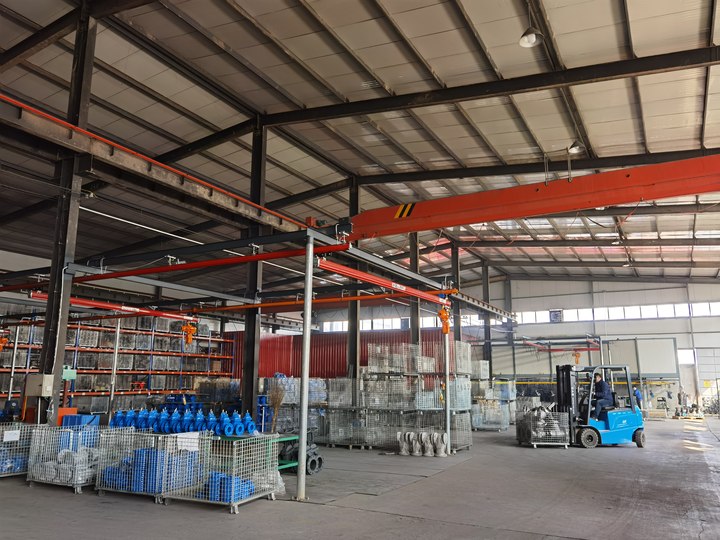
The predominant material for brass needle valve bodies is various brass alloys, primarily C36000 (Free-Cutting Brass) and C46400 (Naval Brass). C36000 offers excellent machinability, crucial for the intricate internal geometries of the valve, while C46400 provides enhanced corrosion resistance, particularly in marine or chemical environments. The ‘needle’ and seat are commonly composed of stainless steel (304 or 316) for wear resistance and sealing performance. PTFE (Polytetrafluoroethylene) is frequently used for stem packing and seats, offering chemical inertness and low friction. Manufacturing commences with hot forging or machining of the brass body. Precise drilling and tapping operations create the fluid ports and threaded connections. The needle is typically manufactured through precision turning and grinding to achieve the required taper and surface finish. Critical parameters during manufacturing include dimensional accuracy of the needle and seat, surface roughness (Ra) to ensure leak-tight sealing (target Ra < 0.8 μm for sealing surfaces), and control of internal burrs which can disrupt flow. Assembly involves careful alignment and torquing of components, along with leak testing using air or nitrogen at pressures exceeding the valve’s rated working pressure. Quality control focuses on hydrostatic testing, flow capacity verification, and material certification to ensure compliance with industry standards. The presence of dezincification (corrosion of zinc from the brass alloy) is a significant concern, mitigated through alloy selection and the application of protective coatings where necessary.
Performance & Engineering
The performance of a brass needle valve is governed by several key engineering principles. Flow rate is directly proportional to the square of the valve opening (orifice area). Therefore, even small adjustments to the needle position result in significant flow changes. Cv (flow coefficient) is a crucial parameter, quantifying the valve’s flow capacity for a given pressure drop. Pressure drop across the valve is calculated using the Darcy-Weisbach equation, considering fluid viscosity, density, flow velocity, and pipe diameter. Environmental resistance is primarily assessed through temperature and pressure ratings, as well as chemical compatibility testing. Brass exhibits good resistance to many common fluids, but can be susceptible to corrosion by strong acids or alkalis. The valve’s mechanical strength is analyzed using finite element analysis (FEA) to ensure it can withstand the specified operating pressure without deformation or failure. Compliance requirements vary depending on the application. For example, valves used in potable water systems must comply with NSF/ANSI 61 standards, ensuring they do not leach harmful contaminants into the water. Hydraulic systems often require valves to meet ISO 7323 standards regarding cleanliness and fluid compatibility. The inherent design of the needle valve allows for tight shutoff, typically achieving bubble-tight sealing at the rated pressure. However, prolonged exposure to high temperatures can affect the sealing performance of PTFE seats.
Technical Specifications
| Parameter | Unit | Typical Value (Standard Grade Brass) | High-Performance Grade (C46400) |
|---|---|---|---|
| Maximum Working Pressure | PSI | 600 | 1000 |
| Temperature Range | °F | -60 to 250 | -60 to 350 |
| Cv (Flow Coefficient) - 1/4" Valve | Gallons per minute (GPM) | 0.2 - 0.8 | 0.25 - 1.0 |
| Connection Type | NPT, BSPT, SAE | NPT, BSPT, SAE | |
| Orifice Size | mm | 1 – 6 | 1 – 6 |
| Seat Material | PTFE, PEEK | PTFE, PEEK, Stainless Steel |
Failure Mode & Maintenance
Brass needle valves are subject to several potential failure modes. External corrosion, particularly dezincification, can compromise the body's integrity over time, especially in aggressive environments. Internal erosion of the needle and seat due to particulate matter in the fluid stream is a common issue, leading to leakage. Fatigue cracking can occur in the stem due to repeated cycling, especially under high differential pressures. PTFE seat degradation manifests as swelling, cracking, or loss of elasticity, resulting in reduced sealing performance. Galvanic corrosion can occur if dissimilar metals (e.g., brass and stainless steel) are in contact in the presence of an electrolyte. Maintenance primarily involves periodic inspection for leaks, corrosion, and wear. Lubrication of the stem threads with a compatible lubricant (e.g., silicone grease) is crucial to ensure smooth operation. Backflushing the valve to remove debris is recommended, particularly in dirty fluid applications. Replacement of the seat and needle is necessary when erosion or damage occurs. For valves exposed to corrosive environments, applying a protective coating (e.g., epoxy) or upgrading to a more corrosion-resistant alloy (e.g., C46400) is recommended. Preventive maintenance schedules should be implemented based on the severity of the operating conditions and the valve’s criticality in the process. Failure analysis should include visual inspection, metallographic examination, and chemical analysis to determine the root cause of failure.
Industry FAQ
Q: What is the impact of fluid viscosity on the Cv value of a brass needle valve?
A: Fluid viscosity significantly impacts the Cv value. Higher viscosity fluids experience greater frictional resistance, resulting in a lower Cv value for the same valve opening. This means that a larger pressure drop is required to achieve a specific flow rate with a viscous fluid compared to a low-viscosity fluid. Accurate Cv values for specific fluids should be obtained from the manufacturer's data sheets or calculated using appropriate fluid dynamics equations.
Q: How does temperature affect the sealing performance of a PTFE seat?
A: PTFE exhibits thermal expansion, meaning its dimensions increase with temperature. While this can initially improve the seal, prolonged exposure to high temperatures (above 200°C) causes PTFE to creep and lose its elastic properties, leading to reduced sealing performance and potential leakage. Selecting a higher-temperature seat material, such as PEEK, is recommended for applications exceeding the PTFE's temperature limitations.
Q: What precautions should be taken to prevent galvanic corrosion in a brass needle valve assembly?
A: Galvanic corrosion occurs when dissimilar metals are in contact in the presence of an electrolyte. To mitigate this, use compatible materials wherever possible. If dissimilar metals are unavoidable, use a dielectric union or gasket to electrically isolate them. Consider applying a protective coating to the more anodic metal to reduce corrosion rates. Ensure proper grounding of the system to minimize stray currents.
Q: What are the key considerations when selecting a brass needle valve for a high-pressure hydraulic system?
A: For high-pressure hydraulic systems, the valve’s pressure rating must significantly exceed the system’s operating pressure. The valve body material should be a high-strength brass alloy (e.g., C46400) or stainless steel. The seat material must be robust and capable of maintaining a tight seal under high pressure. Consider the fluid compatibility of all valve components with the hydraulic fluid to prevent swelling or degradation. Regular inspection and maintenance are crucial to identify and address any potential wear or leakage.
Q: Is dezincification a significant concern with brass needle valves, and what steps can be taken to prevent it?
A: Yes, dezincification is a potential concern, particularly in valves exposed to soft water or chloride-containing environments. It results in the selective removal of zinc from the brass alloy, leaving a porous copper-rich structure. Selecting a brass alloy with a higher zinc content (e.g., C46400) and applying a protective coating (e.g., epoxy or nickel plating) can mitigate dezincification. Regular inspection for signs of corrosion is also recommended.
Conclusion
Brass needle valves remain a critical component in a wide array of industrial fluid control applications, prized for their precision, reliability, and cost-effectiveness. Understanding the interplay between material science, manufacturing processes, and engineering principles is paramount for selecting the appropriate valve for a given application. Careful consideration must be given to factors such as fluid compatibility, operating pressure, temperature, and potential failure modes.
By adhering to proper maintenance procedures and implementing preventative measures, the service life and performance of brass needle valves can be maximized, ensuring continued efficient and safe operation within complex industrial systems. Future advancements in valve technology may focus on incorporating smart materials, self-cleaning mechanisms, and remote monitoring capabilities to further enhance their performance and reliability.
-
Top Reasons to Choose a Stainless Steel Flange Check Valve for Industrial Applications
-
check valve with orifice Performance Analysis
-
check valve 8 inch Performance Analysis
-
1 1 2 inch check valve Performance Analysis
-
cast iron check valves Performance Analysis
-
teejet check valves Performance Analysis
-
teejet check valve Performance Analysis
-
8 inch check valve Performance Analysis
-
wafer style check valves Performance Analysis
-
3 4 spring check valve Performance Analysis
-
butterfly check valves Performance Analysis
-
electric check valve Performance Engineering
-
electric check valves Performance Analysis
-
Threaded Check Valves Performance Analysis
-
6 inch check valve Performance Analysis
 Afrikaans
 Albanian
 Amharic
 Arabic
 Armenian
 Azerbaijani
 Basque
 Belarusian
 Bengali
 Bosnian
 Bulgarian
 Catalan
 Cebuano
 Corsican
 Croatian
 Czech
Czech
 Danish
 Dutch
Dutch
 Esperanto
 Estonian
 Finnish
 French
 Frisian
 Galician
 Georgian
 German
 Greek
Greek
 Gujarati
 Haitian Creole
 Hausa
Hawaiian
Hausa
Hawaiian
 Hebrew
 Hindi
Hindi
 Miao
Miao
 Hungarian
 Icelandic
 Igbo
Igbo
 Indonesian
 Irish
Irish
 Italian
 Japanese
 Javanese
Kannada
Javanese
Kannada
 Kazakh
 Khmer
Khmer
 Rwandese
 Korean
 Kurdish
 Kyrgyz
 Lao
Lao
 Latin
Latin
 Latvian
 Lithuanian
 Luxembourgish
 Macedonian
 Malgashi
 Malay
Malay
 Malayalam
 Maltese
 Maori
Maori
 Marathi
 Mongolian
 Myanmar
 Nepali
 Norwegian
 Norwegian
 Occitan
 Pashto
 Persian
 Polish
 Portuguese
Punjabi
Portuguese
Punjabi
 Romanian
 Russian
 Samoan
 Scottish Gaelic
 Serbian
 Sesotho
 Shona
Shona
 Sindhi
 Sinhala
 Slovak
 Slovenian
 Somali
 Spanish
 Sundanese
 Swahili
 Swedish
Tagalog
Swedish
Tagalog
 Tajik
Tajik
 Tamil
Tamil
 Tatar
Tatar
 Telugu
 Thai
Thai
 Turkish
 Turkmen
 Ukrainian
 Urdu
Urdu
 Uighur
 Uzbek
Uzbek
 Vietnamese
 Welsh
Welsh
 Bantu
Bantu
 Yiddish
 Yoruba
 Zulu
Zulu
 English