




socket weld needle valve Performance Analysis

Introduction
Socket weld needle valves are precision flow control devices integral to numerous industrial processes, particularly within chemical processing, oil and gas, and instrumentation systems. These valves are characterized by their compact design and ability to provide accurate, repeatable flow regulation, primarily utilized for throttling and shut-off service with low flow rates. Positioned downstream of critical components like pumps, reactors, and analyzers, they fine-tune fluid delivery, ensuring operational efficiency and process control. Their socket weld connection allows for permanent installation, minimizing leak paths and ensuring robust performance in high-pressure and high-temperature environments. Core performance characteristics include Cv (flow coefficient), pressure drop, and leak tightness, all of which are critical determinants in process reliability. A key industry pain point is maintaining consistent flow accuracy over extended periods, complicated by potential wear on the needle and seat, and material compatibility issues with aggressive process fluids. Furthermore, ensuring proper weld integrity and adherence to stringent industry standards are paramount concerns for end-users.
Material Science & Manufacturing
The construction of socket weld needle valves relies on carefully selected materials to ensure durability and compatibility. Body and bonnet materials commonly include 316/316L stainless steel, chosen for its exceptional corrosion resistance in a wide range of chemical environments. Other alloys such as Hastelloy C-276 and Monel 400 are utilized for highly corrosive applications. The needle and seat, critical to sealing performance, are often manufactured from reinforced PTFE (Polytetrafluoroethylene), PEEK (Polyether ether ketone), or hardened stainless steel, depending on temperature and pressure requirements. The spring, responsible for maintaining seat closure, is typically constructed from 304 or 316 stainless steel. Manufacturing processes begin with precision machining of the valve body and bonnet from bar stock. The internal bore is meticulously honed to achieve a smooth, consistent surface finish, crucial for minimizing flow turbulence and ensuring accurate flow control. The socket weld preparation involves precise machining of the weld bevel to ensure a proper and leak-tight weld. Needle and seat components are manufactured using injection molding (for polymers) or precision turning and grinding (for metals). Critical parameters during manufacturing include dimensional tolerances (holding tight specifications for bore diameter, needle diameter, and seat angle), surface roughness (Ra value for the bore and needle), and material hardness (ensuring adequate wear resistance). Weld procedures must adhere to ASME Section IX standards, with qualified welders performing the socket welds.
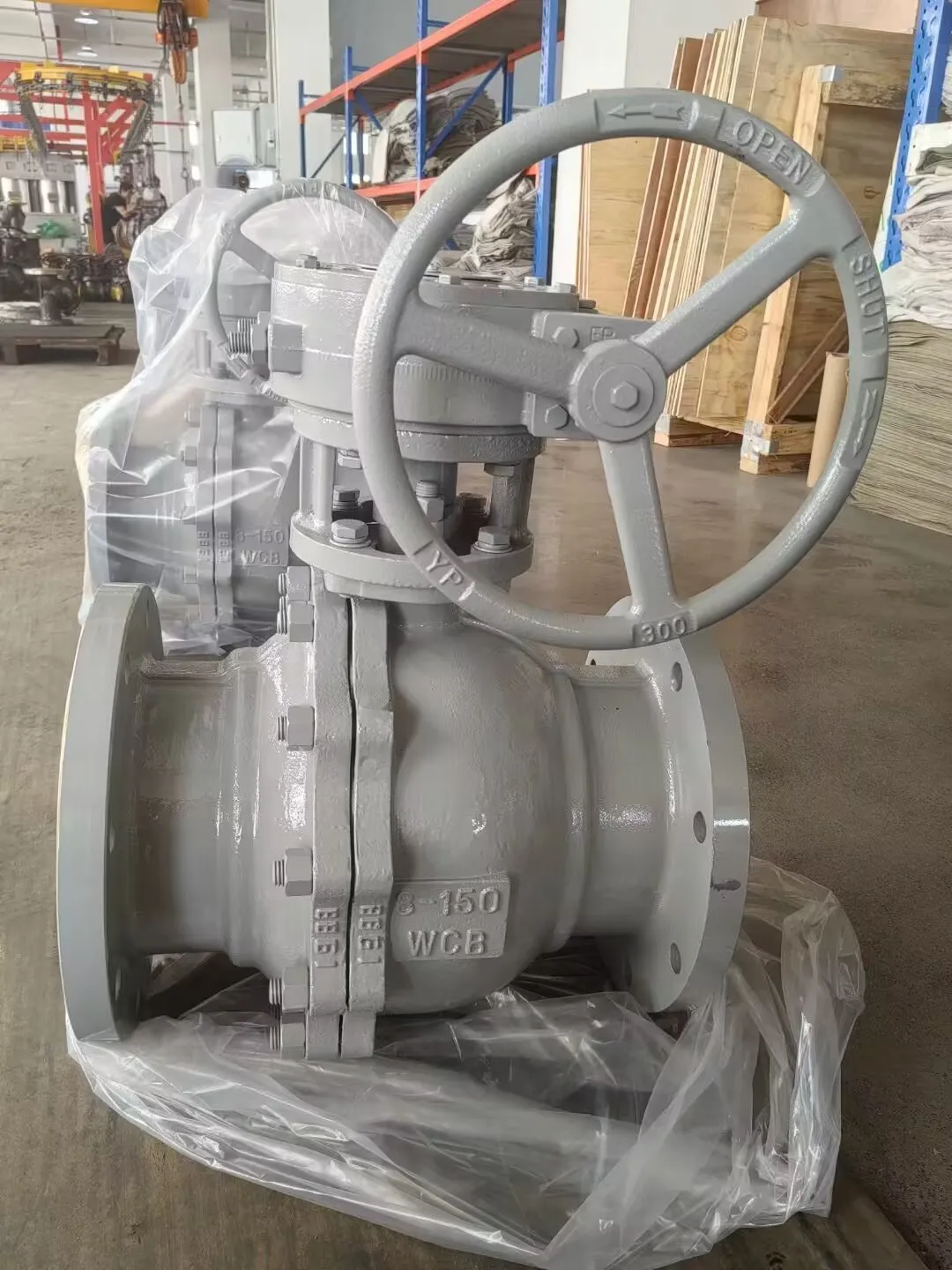
Performance & Engineering
The performance of a socket weld needle valve is dictated by several engineering principles. Force analysis focuses on the seating force exerted by the spring onto the needle, balancing this against the fluid pressure acting on the needle and seat. This ensures a leak-tight seal across the operating pressure range. Environmental resistance is paramount; materials must withstand temperature extremes, corrosive chemicals, and potential erosion from particulate matter in the fluid stream. Compliance requirements are stringent, particularly in industries like pharmaceutical and food processing, necessitating adherence to standards like 3-A Sanitary Standards and FDA guidelines. The Cv value, a critical performance parameter, is determined through rigorous flow testing, characterizing the valve’s capacity to pass fluid at a specific pressure drop. Furthermore, the valve's response time (the time taken to move from fully open to fully closed) is important in certain applications requiring rapid process adjustments. Finite Element Analysis (FEA) is frequently employed during the design phase to optimize the valve body geometry, minimizing stress concentration and maximizing pressure containment. Fatigue life is another key engineering consideration, particularly in applications involving frequent cycling. The design must withstand repeated opening and closing without failure.
Technical Specifications
| Parameter | Specification (Standard) | Specification (High Temp) | Specification (Corrosive Service) |
|---|---|---|---|
| Maximum Pressure (PS) | 2000 PSI (138 bar) | 1500 PSI (103 bar) @ 400°F | 1000 PSI (69 bar) w/ Hastelloy C-276 |
| Temperature Range | -60°F to 400°F (-51°C to 204°C) | -20°F to 800°F (-29°C to 427°C) | -20°F to 350°F (-29°C to 177°C) w/ PTFE seat |
| Cv Value (Typical) | 0.1 – 1.0 | 0.08 – 0.8 | 0.05 – 0.6 (depending on seat material) |
| Connection Type | Socket Weld (ANSI B16.11) | Socket Weld (ANSI B16.11) | Socket Weld (ANSI B16.11) |
| Body Material | 316/316L Stainless Steel | 316 Stainless Steel | Hastelloy C-276 |
| Seat Material | Reinforced PTFE | PTFE | PEEK |
Failure Mode & Maintenance
Socket weld needle valves are susceptible to several failure modes. Fatigue cracking around the stem threads is common, particularly with frequent cycling, stemming from stress concentration and insufficient lubrication. Delamination of the PTFE seat can occur due to thermal cycling or chemical attack, leading to leakage. Erosion of the needle and seat caused by abrasive particles in the fluid stream can also degrade sealing performance. Oxidation of stainless steel components at high temperatures can lead to corrosion and reduced mechanical strength. A major failure mode specific to socket weld connections is weld failure due to improper welding technique, inadequate penetration, or material incompatibility. Preventive maintenance involves regular inspection of the valve body for cracks or corrosion, lubrication of the stem threads with a compatible lubricant, and periodic replacement of the seat and packing. If leakage is detected, the valve should be disassembled, and the seat and needle inspected for wear or damage. Weld integrity should be periodically checked using non-destructive testing methods, such as dye penetrant inspection. For severe corrosion issues, consider implementing a corrosion monitoring program and utilizing materials with superior corrosion resistance. Proper storage in a dry environment is crucial to prevent corrosion during periods of inactivity.
Industry FAQ
Q: What is the impact of fluid velocity on the lifespan of a needle valve seat?
A: Higher fluid velocity significantly accelerates seat erosion, particularly when handling fluids containing abrasive particles. This leads to increased leakage rates and eventual valve failure. Selecting a valve with a larger bore size to reduce fluid velocity, or implementing upstream filtration, can mitigate this issue.
Q: How does the choice of stem packing material affect valve performance and reliability?
A: The stem packing prevents leakage around the valve stem. Improper packing material selection can lead to stem friction, hindering smooth operation, or packing extrusion under high pressure, resulting in leakage. PTFE packing is common, but for high-temperature applications, graphite-based packing is preferable.
Q: What are the critical considerations when selecting a needle valve for a corrosive fluid application?
A: Material compatibility is paramount. The valve body, bonnet, needle, and seat must be constructed from materials resistant to the specific corrosive fluid. Hastelloy C-276, Monel, and specific grades of stainless steel are often used. Thorough chemical compatibility testing is essential before deployment.
Q: What welding procedures must be followed to ensure a leak-tight socket weld connection?
A: Welding must adhere to ASME Section IX standards, utilizing qualified welders. Proper weld bevel preparation, correct filler metal selection, and controlled heat input are crucial. Post-weld heat treatment (PWHT) may be required for certain materials. Non-destructive testing (NDT) like dye penetrant or radiographic inspection is essential to verify weld integrity.
Q: What is the typical expected service life of a PTFE seat in a moderately corrosive environment?
A: The service life of a PTFE seat in a moderately corrosive environment typically ranges from 1 to 3 years, depending on the specific fluid, temperature, and pressure. Regular inspection and replacement are recommended to prevent leakage and ensure reliable operation.
Conclusion
Socket weld needle valves represent a crucial component in precision fluid control systems, offering a robust and reliable solution for throttling and shut-off services. Their performance hinges on meticulous material selection, precise manufacturing processes, and adherence to stringent industry standards. Understanding the potential failure modes – ranging from seat erosion to weld defects – is vital for implementing effective preventative maintenance programs.
Future advancements in needle valve technology will likely focus on developing more durable seat materials, enhancing corrosion resistance, and incorporating smart features for remote monitoring and diagnostics. Selecting the correct valve, employing proper installation techniques, and implementing a proactive maintenance schedule are essential for maximizing its operational life and ensuring process integrity.
-
Top Reasons to Choose a Stainless Steel Flange Check Valve for Industrial Applications
-
DN50 Flange Performance Analysis
-
double flanged butterfly valve Performance Analysis
-
forged flanges Performance Analysis
-
4 blind flange Performance Engineering
-
3 flanged ball valve Performance Analysis
-
2 threaded flange Performance Analysis
-
4 ball valve flanged Performance Analysis
-
90 degree flange elbow Performance Analysis
-
Custom Flanges Performance Analysis
-
DN40 Flange Performance Analysis
-
double flange butterfly valve Performance Analysis
-
Double Flanged Couplings Performance Analysis
-
double flanged butterfly valves Material Science
-
forged flange Performance Analysis
 Afrikaans
 Albanian
 Amharic
 Arabic
 Armenian
 Azerbaijani
 Basque
 Belarusian
 Bengali
 Bosnian
 Bulgarian
 Catalan
 Cebuano
 Corsican
 Croatian
 Czech
Czech
 Danish
 Dutch
Dutch
 Esperanto
 Estonian
 Finnish
 French
 Frisian
 Galician
 Georgian
 German
 Greek
Greek
 Gujarati
 Haitian Creole
 Hausa
Hawaiian
Hausa
Hawaiian
 Hebrew
 Hindi
Hindi
 Miao
Miao
 Hungarian
 Icelandic
 Igbo
Igbo
 Indonesian
 Irish
Irish
 Italian
 Japanese
 Javanese
Kannada
Javanese
Kannada
 Kazakh
 Khmer
Khmer
 Rwandese
 Korean
 Kurdish
 Kyrgyz
 Lao
Lao
 Latin
Latin
 Latvian
 Lithuanian
 Luxembourgish
 Macedonian
 Malgashi
 Malay
Malay
 Malayalam
 Maltese
 Maori
Maori
 Marathi
 Mongolian
 Myanmar
 Nepali
 Norwegian
 Norwegian
 Occitan
 Pashto
 Persian
 Polish
 Portuguese
Punjabi
Portuguese
Punjabi
 Romanian
 Russian
 Samoan
 Scottish Gaelic
 Serbian
 Sesotho
 Shona
Shona
 Sindhi
 Sinhala
 Slovak
 Slovenian
 Somali
 Spanish
 Sundanese
 Swahili
 Swedish
Tagalog
Swedish
Tagalog
 Tajik
Tajik
 Tamil
Tamil
 Tatar
Tatar
 Telugu
 Thai
Thai
 Turkish
 Turkmen
 Ukrainian
 Urdu
Urdu
 Uighur
 Uzbek
Uzbek
 Vietnamese
 Welsh
Welsh
 Bantu
Bantu
 Yiddish
 Yoruba
 Zulu
Zulu
 English